



Cleanliness is a priority in any professional environment, but floors are often overlooked when businesses think about hygiene control. People naturally focus on hand contact surfaces, worktops, door handles, washrooms and food preparation areas, yet footwear and wheeled traffic can also carry dirt, moisture and contamination from one area to another.
In busy commercial spaces, germs, dirt, moisture and odours can build up quickly where people walk, stand, queue or work for long periods. This is especially important in healthcare, care homes, schools, kitchens, food preparation areas, gyms, wet rooms, laboratories, hospitality venues and other hygiene-sensitive environments. Standard floor mats can help with dirt and moisture control, but specialist anti microbial mats go a step further by supporting cleaner, more controlled floor areas.
Anti microbial mats are designed to help reduce the build-up of bacteria, fungi, odours and unwanted contamination on or around the mat surface. They are not a replacement for proper cleaning routines, hand hygiene, disinfecting procedures or workplace safety policies, but they can form a valuable part of a wider hygiene strategy. This guide explains how anti microbial matting works, where it is most useful, and which Mats4U products are best suited to different environments.
Table of Contents
- What Are Anti Microbial Mats?
- Why Floor Hygiene Matters in Busy Buildings
- How Dirt, Germs and Contamination Spread Indoors
- How Anti Microbial Mats Work
- Where Anti Microbial Mats Are Most Useful
- Key Benefits of Anti Microbial Matting
- Types of Anti Microbial Mats Available
- Recommended Anti Microbial Mats
- How to Choose the Right Anti Microbial Mat
- Maintenance and Cleaning Advice
- Frequently Asked Questions About Anti Microbial Mats
What Are Anti Microbial Mats?
Anti microbial mats are specialist mats designed to help control microbial growth, odours and contamination in areas where hygiene is a concern. Depending on the mat type, the anti microbial protection may be built into the fibres, rubber, adhesive layers or surface material. This helps prevent the mat itself from becoming a place where bacteria, fungi, mould or mildew can easily build up.
These mats are often used in environments where standard matting may not provide enough hygiene support. For example, a standard entrance mat may trap dirt and moisture from footwear, but an anti microbial entrance mat can also help control odour and microbial build-up within the mat. A standard wet area mat may provide traction, while an anti microbial wet area mat can support hygiene in barefoot or damp environments.
The exact function depends on the product. Some anti microbial mats are designed for entrances, some for kitchens and wet workstations, some for clean rooms, and others for poolside, washroom or healthcare use. This is why choosing the correct type of anti microbial mat is important.
Anti Microbial Does Not Mean No Cleaning Is Needed
Anti microbial matting should always be seen as part of a wider hygiene system. These mats can help reduce microbial build-up on the mat itself, but they do not remove the need for regular cleaning, disinfecting, vacuuming, washing or replacement where necessary. In hygiene-sensitive areas, proper cleaning procedures remain essential.
Why Businesses Use Anti Microbial Mats
Businesses use anti microbial mats to help improve cleanliness, reduce odours, manage moisture and support safer, more hygienic working environments. They are particularly useful in spaces where footwear, spills, standing work, wet areas or barefoot traffic create a greater risk of dirt and bacteria spreading across floors.
Why Floor Hygiene Matters in Busy Buildings

Floors are one of the most heavily used surfaces in any building. People walk across them all day, equipment is moved over them, trolleys and wheels roll across them, and moisture or dirt can be transferred from one area to another. Although floors are not always considered in the same way as touchpoints, they still play an important role in the overall cleanliness of a building.
In a busy workplace, dirt and moisture can quickly spread beyond the entrance or workstation. Footwear may pick up outdoor debris, toilet area residue, food particles, grease, water or dust. Wheeled traffic such as trolleys, pushchairs, wheelchairs, cages and cleaning equipment can also move contaminants across larger areas.
High-Traffic Areas Need More Protection
The more people use a space, the more pressure is placed on the flooring. Entrances, corridors, kitchens, washrooms, changing rooms and workstations are especially vulnerable because they often combine foot traffic with moisture, debris or spills. If these areas are not properly managed, dirt and odours can become more difficult to control.
Moisture Can Increase Hygiene Problems
Damp environments can contribute to unpleasant odours, mould, mildew and microbial growth. This is why wet areas, kitchens, bars, food preparation spaces, poolside areas and changing rooms need matting that handles both safety and hygiene. Anti microbial mats are particularly useful where moisture is present because they are designed to help reduce unwanted microbial build-up.
Cleaner Floors Improve the Overall Impression
A clean floor gives customers, staff and visitors confidence in the space. Dirty, smelly or poorly maintained matting can make a business feel less professional, even if other areas are well cared for. Anti microbial matting helps support a cleaner and more controlled environment, especially in areas where hygiene is part of the customer experience.
How Dirt, Germs and Contamination Spread Indoors

Germs and contamination can move through a building in many ways. Footwear is one of the most common routes because shoes come into contact with pavements, car parks, outdoor walkways, toilets, kitchens, wet areas and shared public spaces. Once indoors, any dirt or residue on the soles can be walked further into the building.
Wheeled traffic can also transfer contamination. This includes wheelchairs, mobility scooters, trolleys, cleaning equipment, delivery cages and pushchairs. These wheels often pass through multiple zones in a building and can move moisture and particles between areas if there is no effective matting or cleaning point in place.
Entrances
Entrances are the first point where outdoor dirt and contamination enter a building. A mat placed at the entrance can reduce the amount of dirt carried further inside, especially when it is suitable for the level of foot traffic and the type of contamination expected.
Kitchens and Food Preparation Areas
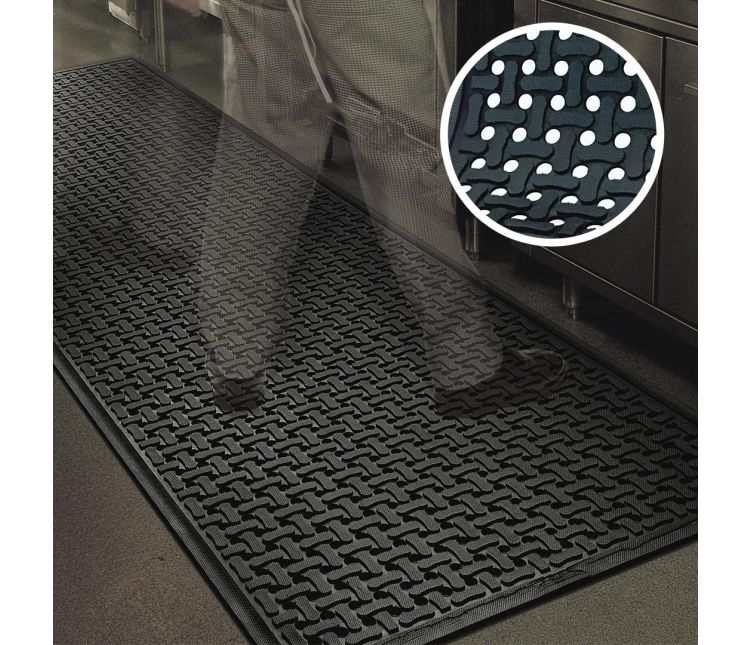
Kitchens often deal with grease, water, food particles and regular movement from staff. In these areas, matting needs to support slip resistance, drainage, comfort and hygiene. Anti microbial rubber mats can be particularly useful where moisture and standing work are common.
Healthcare and Care Settings
Hospitals, clinics, care homes, surgeries and treatment rooms need careful hygiene control. Anti microbial mats can support cleaning routines by helping control dirt, odour and microbial build-up in areas where people move between different rooms and work zones.
Wet Areas and Barefoot Spaces
Swimming pools, changing rooms, shower areas, spas and leisure centres often involve bare feet and constant moisture. These areas require matting that can drain well, resist slipping and help maintain a cleaner surface for users.
Clean Rooms and Laboratories
Clean rooms and laboratories need higher levels of contamination control. Tacky anti microbial mats can help capture fine dust and particles from footwear and wheeled traffic before they enter more sensitive areas.
How Anti Microbial Mats Work

Anti microbial mats work by using materials or treatments that help inhibit the growth of bacteria, fungi, mould or mildew on the mat. The exact method depends on the product. Some mats use treated carpet fibres, some use treated rubber, some use adhesive layers, and others are designed to work with disinfectant solutions.
Integrated Anti Microbial Treatments
Some mats have anti microbial protection built into the material itself. This means the treatment is part of the mat’s fibres or rubber compound rather than simply sitting on the surface. This can help maintain performance through regular cleaning, washing or heavy use, depending on the mat.
Anti Microbial Carpet Fibres
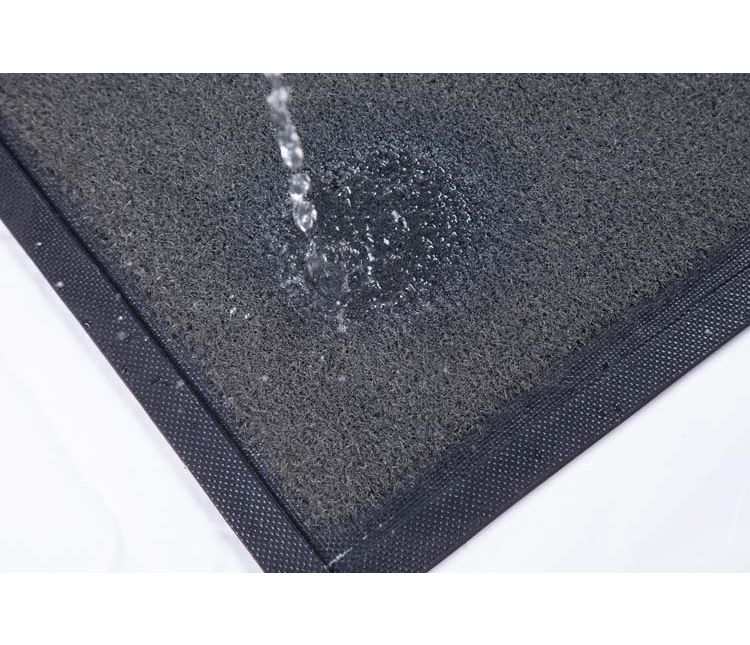
Anti microbial entrance mats may use treated yarns that help reduce microbial build-up and odours in the mat face. These mats are useful in public buildings, schools, healthcare facilities, restaurants and hotels where dirt and moisture are regularly walked indoors.
Anti Microbial Rubber
Anti microbial rubber mats are often used in kitchens, bars, wet workstations and industrial spaces. Rubber is durable, easy to clean and suitable for demanding environments. When anti microbial protection is added, the mat can help reduce bacterial and fungal growth while also supporting slip resistance and comfort.
Tacky Anti Microbial Surfaces
Tacky mats use adhesive layers to capture dust, dirt and particles from shoes and wheels. Anti microbial tacky mats are especially useful in sensitive indoor environments such as hospitals, clean rooms, laboratories and controlled workspaces. Once the top sheet becomes soiled, it can be peeled away to reveal a clean layer underneath.
Disinfectant Matting
Some mats are designed to hold disinfectant solution. As footwear or wheels pass over the mat, the solution is applied to the soles or treads. These mats are useful at controlled entry points where additional contamination control is required. They should be used according to the correct disinfectant guidance and maintained regularly.
Where Anti Microbial Mats Are Most Useful

Anti microbial mats are suitable for many different environments, but they are especially valuable where hygiene, moisture control, odour reduction and safe movement are important. The right mat should always be matched to the conditions of the area.
Care Homes
Care homes need practical hygiene control across bedrooms, corridors, entrances, washrooms and treatment spaces. Anti microbial mats can help control odours, moisture and microbial build-up in areas where spills, foot traffic and cleaning demands are frequent.
Hospitals, Clinics and Healthcare Facilities
Healthcare environments need reliable, easy-to-maintain matting. Anti microbial entrance mats, tacky mats and hygienic rubber mats can all support different parts of the building, from entrances and corridors to treatment spaces and controlled areas.
Commercial Kitchens and Food Preparation Areas
Kitchens require mats that can handle grease, water and frequent cleaning. Anti microbial rubber mats with drainage and slip-resistant surfaces are useful behind counters, in food prep areas, around sinks and in washing-up zones.
Restaurants, Bars and Hospitality Venues
Restaurants and bars often combine wet floors, long standing periods and heavy foot traffic. Anti microbial comfort mats can help support staff while also improving hygiene control in demanding work areas.
Schools and Nurseries
Schools and nurseries have constant foot traffic and regular cleaning requirements. Anti microbial entrance mats can help reduce dirt and odour in busy entrances, corridors and shared areas.
Gyms, Leisure Centres and Swimming Pools
Leisure environments often involve moisture, bare feet and shared facilities. Anti microbial wet area mats help improve comfort and slip resistance while supporting cleaner surfaces in changing rooms, poolside areas, showers and locker rooms.
Laboratories and Clean Rooms
Clean rooms, laboratories and controlled workspaces benefit from tacky mats that capture fine dust and particles before they enter sensitive areas. Anti microbial tacky mats are particularly useful where hygiene and particle control are both priorities.
Key Benefits of Anti Microbial Matting

Anti microbial matting provides several practical benefits for businesses and organisations. The exact benefits depend on the type of mat, but the overall aim is to help create cleaner, safer and more manageable floor areas.
Helps Control Bacteria and Fungi Growth
Anti microbial treatments help inhibit the growth of bacteria and fungi on the mat surface or within the mat material. This helps prevent the mat itself from becoming a source of odours or microbial build-up.
Reduces Odours
Odours can develop when moisture, dirt and microorganisms build up in matting. Anti microbial mats help reduce this risk, particularly in damp environments such as kitchens, wet areas, changing rooms and busy entrances.
Supports Wider Hygiene Routines
Anti microbial mats can support existing cleaning and hygiene procedures by adding another layer of control at entrances, workstations and transition points. They should not replace cleaning, but they can improve the overall system.
Improves Floor Safety
Many anti microbial mats are also designed for slip resistance, drainage or moisture control. This helps reduce wet or greasy surface issues in areas such as kitchens, bars, wet rooms and entrances.
Protects Flooring
Mats help capture dirt, moisture and debris before they spread across surrounding floors. This can help reduce cleaning demands and protect flooring from stains, moisture damage and abrasive dirt.
Provides Comfort for Standing Staff
Some anti microbial mats also include anti-fatigue properties. These are useful in kitchens, bars, production areas and workstations where staff stand for long periods.
Types of Anti Microbial Mats Available
There are several types of anti microbial mats, each suited to a different environment. Choosing the right type matters because a mat designed for a kitchen may not be suitable for a clean room, and a tacky mat may not be the best option for a wet area.
Anti Microbial Entrance Mats
These mats are designed to trap dirt and moisture from footwear while helping control odours and microbial build-up in the mat. They are suitable for schools, healthcare facilities, care homes, restaurants, hotels and public buildings.
Anti Microbial Rubber Mats
Rubber anti microbial mats are ideal for wet, greasy or demanding work areas. They are commonly used in kitchens, bars, industrial workstations and food preparation spaces where durability, drainage and easy cleaning are important.
Anti Microbial Tacky Mats
Tacky mats are designed to capture dust and fine particles from footwear and wheels. They are ideal for clean rooms, laboratories, healthcare areas and controlled environments where contamination control is essential.
Wet Area Anti Microbial Mats
Wet area mats are designed for barefoot and damp environments such as swimming pools, showers, changing rooms and spas. These mats should be comfortable underfoot, slip resistant and suitable for frequent cleaning.
Disinfectant Mats
Disinfectant mats are used at entry points where footwear or wheels need to pass over a disinfectant solution. They are suitable for specific hygiene control points and should be used as part of a managed cleaning and disinfecting process.
Recommended Anti Microbial Mats
The Mats4U Anti-Microbial Mats collection includes products for a wide range of hygiene-focused environments. The following options are suitable for different needs, from entrance contamination control to kitchen safety, clean rooms and disinfectant entry points.



For more hygiene-focused matting options, the full Anti-Microbial Mats collection includes entrance mats, wet area mats, rubber mats, tacky mats, hygienic anti-fatigue matting and disinfectant matting for different building types and hygiene requirements.
How to Choose the Right Anti Microbial Mat
The best anti microbial mat depends on where it will be used and what problem it needs to solve. A care home bedroom, a commercial kitchen, a poolside walkway and a clean room entrance all require different types of matting. Before choosing, consider the level of hygiene control needed, the amount of foot traffic, the presence of moisture, and how the mat will be cleaned.
Consider the Environment
Start by looking at the area where the mat will be placed. If the space is an entrance, an anti microbial entrance mat such as Microguard may be suitable. If it is a kitchen or wet workstation, a rubber mat with drainage and anti-fatigue properties may be more appropriate. If it is a clean room or laboratory, a tacky mat may be the better choice.
Think About Moisture Levels
Moisture is a major factor when choosing anti microbial matting. Wet areas, kitchens, bars, changing rooms and poolside spaces need mats that drain properly and dry effectively. A mat that holds too much liquid in the wrong environment can create safety and hygiene issues.
Check Cleaning Requirements
Different anti microbial mats have different cleaning methods. Some can be vacuumed or laundered, some can be hosed down, some require sheet removal, and some need disinfectant solutions to be refreshed. Always choose a mat that matches the cleaning routine your business can realistically maintain.
Choose the Right Surface
The surface should suit the type of use. Carpet-faced anti microbial mats are useful for entrances and dirt control. Rubber mats are better for wet, greasy or standing work areas. Tacky mats are best for fine dust and contamination control. Disinfectant mats are best for controlled footwear cleaning points.
Match the Mat to Foot Traffic
High-traffic areas need more durable mats that can withstand constant use. Lightweight mats may not be suitable for busy kitchens, schools, care homes or public buildings. For demanding spaces, choose a mat with strong backing, durable materials and a surface designed for repeated contact.
Think About Safety as Well as Hygiene
Hygiene is important, but the mat must also support safe movement. Look for slip resistance, stable backing, suitable thickness and a design that will not create an unnecessary trip hazard. In wet or greasy areas, drainage and grip are especially important.
Maintenance and Cleaning Advice
Anti microbial mats need regular maintenance to perform properly. The anti microbial properties help control microbial build-up on the mat, but dirt, grease, moisture and debris still need to be removed through cleaning. A dirty mat will not perform as well as a clean one.
Vacuum Entrance Mats Regularly
Anti microbial entrance mats should be vacuumed frequently to remove dry dirt and dust from the pile. This helps the mat continue absorbing moisture and trapping debris effectively. In high-traffic areas, daily vacuuming may be needed.
Wash or Deep Clean When Needed
Some anti microbial textile mats are fully launderable or can be cleaned using a carpet extraction machine. Smaller mats may fit in a washing machine, depending on the product and size. Always follow the product guidance to avoid damaging the mat.
Rinse Rubber Mats Thoroughly
Rubber anti microbial mats used in kitchens, bars and wet areas should be rinsed or washed regularly to remove grease, food particles and liquid residue. A mild detergent may be suitable for deeper cleaning, followed by thorough rinsing and drying.
Peel Tacky Mat Sheets as They Become Dirty
Tacky mats should be maintained by removing the top sheet once it becomes soiled. This reveals a clean adhesive layer underneath and helps the mat continue capturing particles from shoes and wheels.
Refresh Disinfectant Solutions
Disinfectant mats need the solution checked and refreshed according to usage levels and the disinfectant being used. The mat should not be left to dry out or become overloaded with dirt. Always follow the correct dilution and handling guidance for the disinfectant.
Inspect Mats for Wear
Check anti microbial mats regularly for damage, flattening, curling, cracking, lifting edges or loss of grip. A worn mat may no longer provide the same hygiene, safety or comfort benefits and should be replaced when necessary.
Frequently Asked Questions About Anti Microbial Mats
Q1: What are anti microbial mats?
A1: Anti microbial mats are mats designed to help inhibit the growth of bacteria, fungi, mould or mildew on the mat. They are commonly used in hygiene-sensitive areas such as healthcare facilities, kitchens, care homes, wet areas, clean rooms and food preparation spaces.
Q2: Do anti microbial mats replace regular cleaning?
A2: No. Anti microbial mats should be used alongside regular cleaning and hygiene procedures. They help control microbial build-up on or within the mat, but they still need to be cleaned, maintained and replaced when worn.
Q3: Where should anti microbial mats be used?
A3: Anti microbial mats are useful in care homes, hospitals, clinics, kitchens, restaurants, bars, schools, nurseries, gyms, changing rooms, swimming pools, laboratories, clean rooms and other environments where hygiene is important.
Q4: Are anti microbial mats suitable for kitchens?
A4: Yes. Anti microbial rubber mats are particularly suitable for kitchens because they can combine hygiene support, slip resistance, drainage and anti-fatigue comfort. Products such as Anti-Microbial Comfort Rubber Mats and Comfort Flow Anti Microbial Rubber Mats are strong options for kitchen and wet workstation use.
Q5: What is the best anti microbial mat for entrances?
A5: Microguard Anti Microbial Mats are a strong choice for entrances where dirt, odour and contamination control are important. They are designed for public and commercial environments such as hospitals, schools, care homes, restaurants and hotels.
Q6: What is an anti microbial tacky mat?
A6: An anti microbial tacky mat uses adhesive sheets to capture fine dirt, dust and particles from footwear and wheeled traffic. Once the top sheet becomes soiled, it can be peeled away to reveal a clean layer underneath. These mats are commonly used in clean rooms, laboratories and healthcare spaces.
Q7: What is a disinfectant mat?
A7: A disinfectant mat is designed to hold disinfectant solution so that footwear and wheels pass through it at an entry point. The StepWell OptiBrush Disinfectant Mat is an example of this type of product and is used where additional contamination control is needed.
Q8: Can anti microbial mats help with odours?
A8: Yes. Anti microbial mats can help reduce odours by inhibiting microbial growth that may contribute to unpleasant smells, particularly in damp areas, entrances, kitchens, wet rooms and high-traffic environments.
Q9: Are anti microbial mats suitable for wet areas?
A9: Yes, provided the correct mat is chosen. Wet areas need mats with suitable drainage, slip resistance and easy cleaning. Anti microbial wet area mats and rubber mats are useful in changing rooms, showers, poolside areas, spas and damp workspaces.
Q10: How often should anti microbial mats be cleaned?
A10: Cleaning frequency depends on the mat type, traffic level and environment. High-traffic or hygiene-sensitive areas may need daily attention, while lower-use areas may require less frequent cleaning. Always follow the product-specific cleaning guidance.


