




-
17mm Heavy-Duty Coir Matting – Custom Cut to Size
17mm Heavy-Duty Coir Matting – Custom Cut to Size
- Regular price
- £35.50
- Sale price
- £35.50
- Regular price
-
£0.00
-
Custom Size Heavy Duty Coir Coconut Roll Matting
Custom Size Heavy Duty Coir Coconut Roll Matting
- Regular price
- £52.80
- Sale price
- £52.80
- Regular price
-
£0.00
-
Supercoir Heavy Duty Coir Coconut Roll Matting 14mm
Supercoir Heavy Duty Coir Coconut Roll Matting 14mm
- Regular price
- From £53.70
- Sale price
- From £53.70
- Regular price
-
-
Supercoir Heavy Duty Coir Coconut Roll Matting 17mm
Supercoir Heavy Duty Coir Coconut Roll Matting 17mm
- Regular price
- From £48.50
- Sale price
- From £48.50
- Regular price
-
-
Supercoir Heavy Duty Coir Coconut Roll Matting 23mm
Supercoir Heavy Duty Coir Coconut Roll Matting 23mm
- Regular price
- From £55.20
- Sale price
- From £55.20
- Regular price
-
-
Supercoir Heavy Duty Coir Coconut Roll Matting 30mm
Supercoir Heavy Duty Coir Coconut Roll Matting 30mm
- Regular price
- From £65.00
- Sale price
- From £65.00
- Regular price
-
-
Premium Black Coir Doormat (17mm Cut-to-Length)
Premium Black Coir Doormat (17mm Cut-to-Length)
- Regular price
- £58.60
- Sale price
- £58.60
- Regular price
-
-
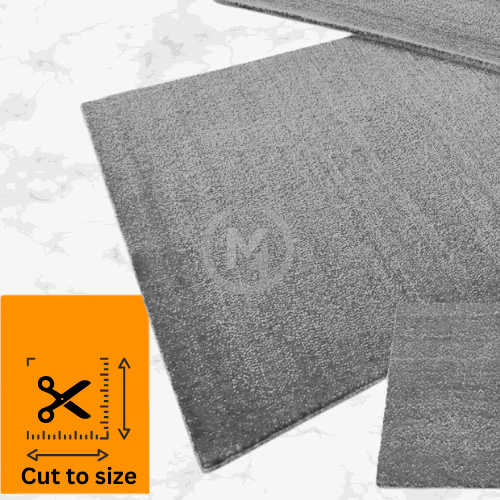
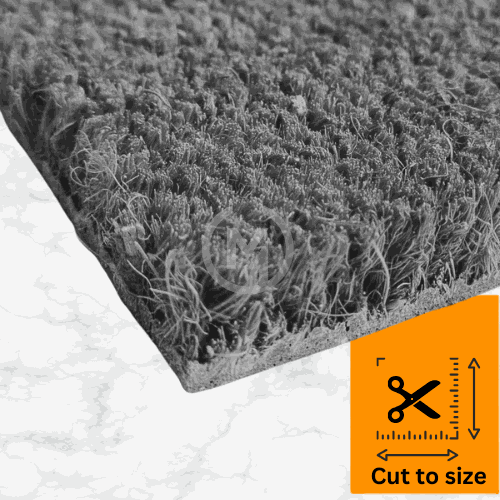
Premium Mid Grey Coir Doormat (17mm Cut-to-Length)
Premium Mid Grey Coir Doormat (17mm Cut-to-Length)
- Regular price
- £58.60
- Sale price
- £58.60
- Regular price
-
-
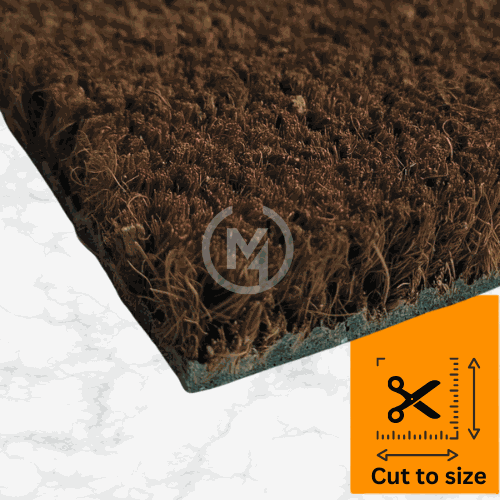
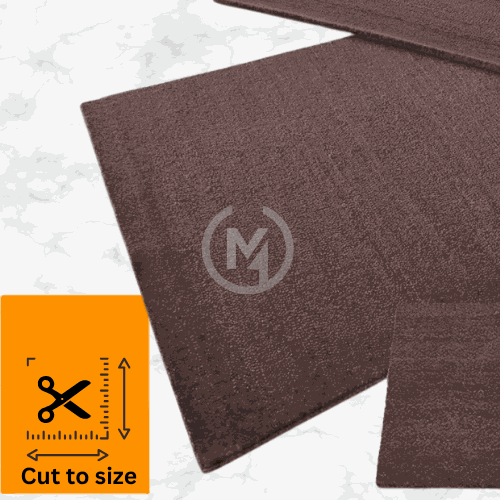
Premium Dark Brown Coir Doormat (17mm Cut-to-Length)
Premium Dark Brown Coir Doormat (17mm Cut-to-Length)
- Regular price
- £58.60
- Sale price
- £58.60
- Regular price
-
-
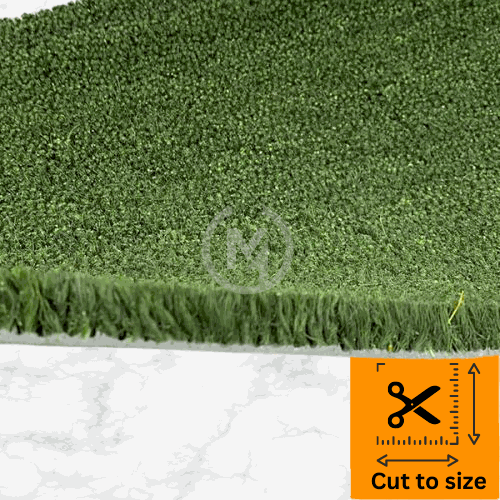
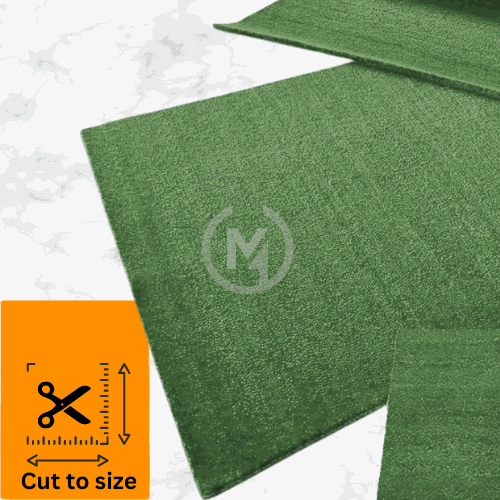
Premium Green Coir Doormat (17mm Cut-to-Length)
Premium Green Coir Doormat (17mm Cut-to-Length)
- Regular price
- £58.60
- Sale price
- £58.60
- Regular price
-

Why Choose Coir Matting for Your Entrance?
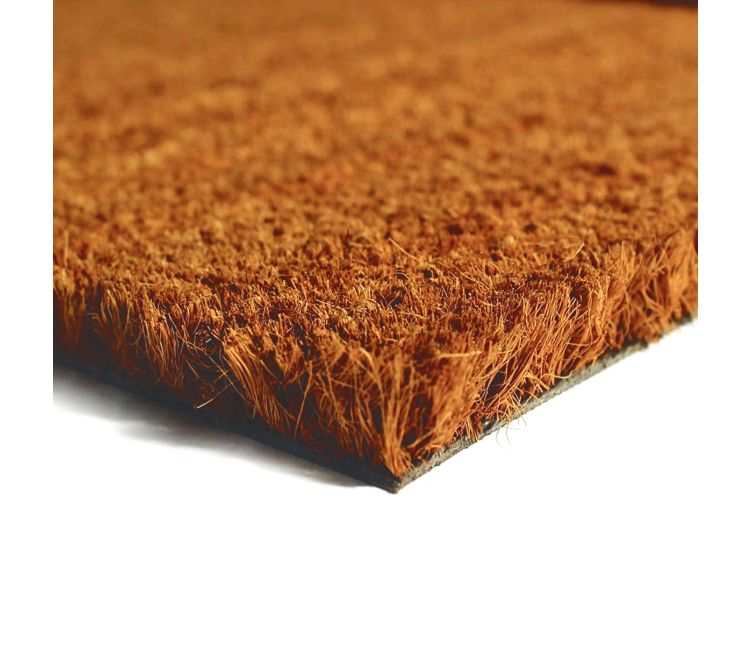
Coir matting is a popular choice for entrance areas thanks to its natural coconut fibres and tough, bristle-like texture. Designed to scrape dirt, grit and debris from footwear, coir entrance matting helps reduce the amount of outdoor dirt carried into your home or building. Its traditional appearance also makes it a practical addition to front entrances, porches and indoor doorways.
Also known as coconut matting or coco matting, coir is widely used for fitted entrance mats and recessed matwells. The coarse natural fibres help remove dirt from shoe soles, while PVC-backed coir matting provides a practical option for fitting into suitable matwells and floor recesses. Available in different sizes and cut-to-size options, coir matting can help create a neat, fitted finish around your entrance.
For the best results, coir matting is generally suited to indoor entrances and covered areas protected from the weather. Whether you're fitting a coir matwell in a home, office or commercial building, it offers a natural-looking way to help manage everyday dirt at the door.
Key Benefits of Coir Matting
Coir matting combines natural dirt-scraping fibres with a traditional appearance, making it a practical choice for residential and commercial entrances. Here are some of the main benefits of choosing coir entrance matting.
- Helps remove dirt and grit: The coarse, bristle-like coconut fibres scrape dirt and debris from footwear, helping prevent it from being carried further indoors.
- Helps absorb moisture: Coir fibres absorb some moisture from shoes, helping manage everyday wetness at indoor entrances.
- Available cut to size: Choose suitable coir matting lengths to fit your entrance, whether you're covering a small doorway or a larger recessed matwell. Available sizes and cutting options vary by product.
- Options for different matwell depths: Choose from available thicknesses to find coir matting that suits the depth of your existing floor recess.
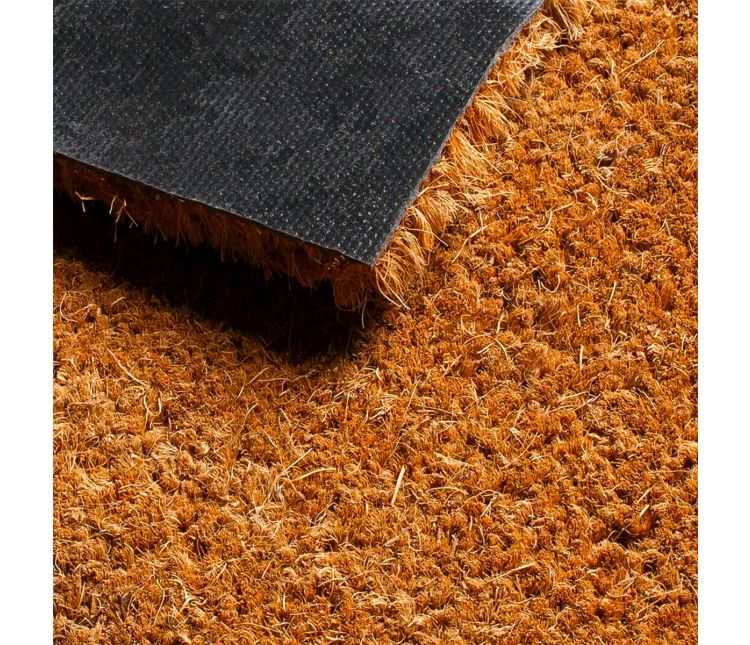
- Practical PVC backing: Selected coir matting features a PVC backing that helps hold the fibres in place and allows the material to be trimmed to size for fitting.
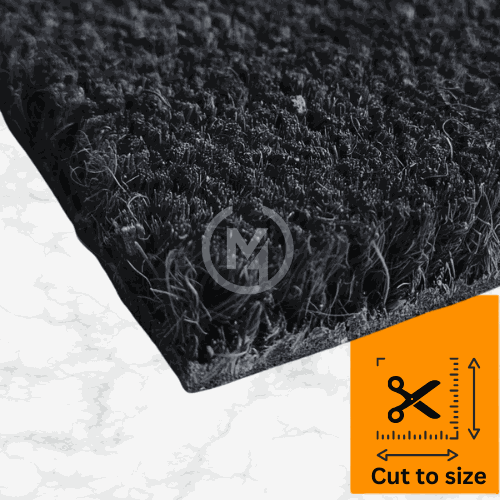
- A choice of colours: Traditional natural coir offers a classic entrance finish, while selected ranges are also available in alternative colours, including black and grey.
- Ideal for recessed entrances: Coir matting is a popular choice for inset entrance mats and matwells, helping create a neat, fitted appearance when correctly measured and installed.
Whether you're looking for coir door matting for your home or a fitted entrance solution for a commercial building, coir offers a practical way to help control dirt at the doorway.

Frequently asked questions
Browse answers to the questions customers ask most.
What is coir matting?
Coir matting is made from natural coconut fibres, which create a coarse, bristle-like surface designed to scrape dirt, grit and debris from footwear. It is a popular choice for entrance areas, doorways and recessed matwells, helping reduce the amount of outdoor dirt brought indoors.
What is coir matting used for?
Coir matting is commonly used at entrances to homes, offices and commercial buildings. Its textured surface helps remove dirt from shoes, making it suitable for front doorways, porches, entrance recesses and fitted matwells.
What thicknesses of coir matting are available?
At Mats4U, coir matting is available in four thicknesses: 14mm, 17mm, 23mm and 30mm. The right thickness depends on your installation requirements, particularly if you are fitting the matting into an existing recessed matwell.
Which coir matting thickness should I choose?
Choose a thickness that suits the space where your matting will be installed. Measure the depth of your matwell or recess before ordering to help ensure the matting fits correctly. Available thicknesses include 14mm, 17mm, 23mm and 30mm.
What colours does coir matting come in?
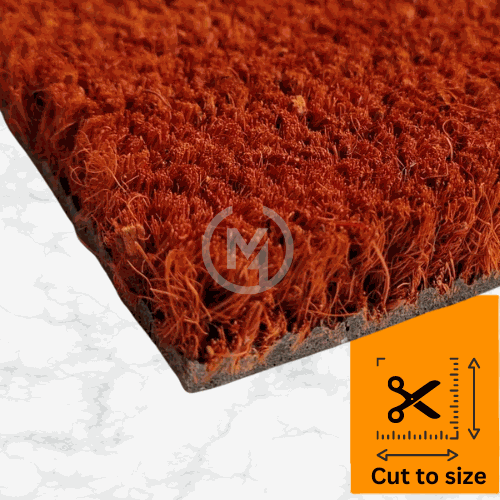
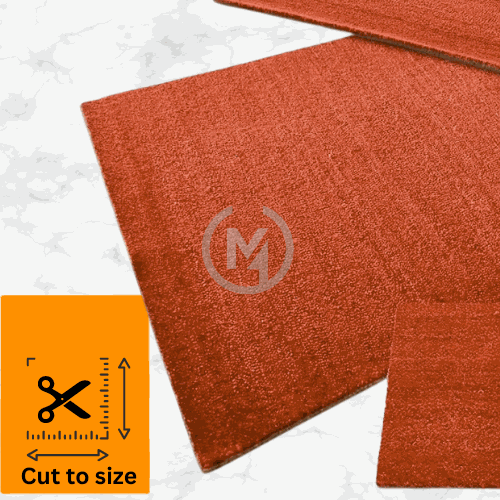
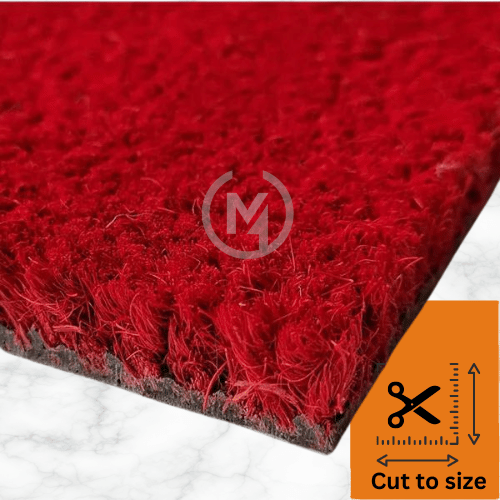
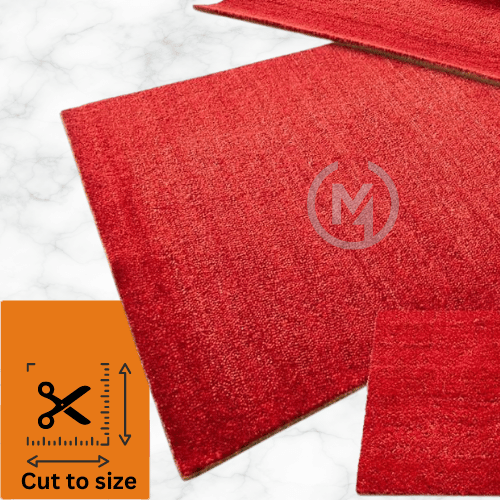
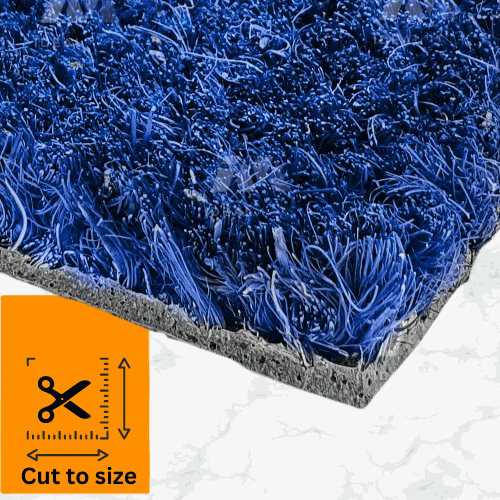
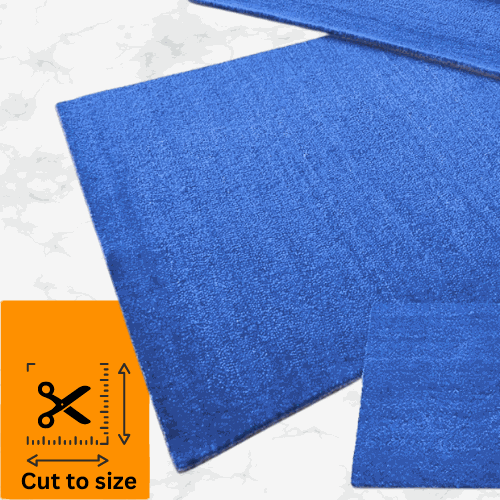
Our coir matting is available in natural, black, grey, brown, rust, red, green and blue. Natural is a classic choice for traditional entrances, while coloured coir offers an alternative to complement your interior.
Is coloured coir matting available in all thicknesses?
No. Coloured coir matting is available exclusively in 17mm thickness. If you need black, grey, brown, rust, red, green or blue coir matting, choose a 17mm option. Other thicknesses are available in natural coir.
What is the difference between natural and coloured coir matting?
Natural coir has the traditional appearance of coconut fibres, while coloured coir provides a different finish for your entrance. Both offer a textured surface designed to scrape dirt from footwear. Coloured options are available in 17mm thickness.
Can coir matting be cut to size?
Coir matting can be suitable for cut-to-size installations, depending on the product you choose. Check the available size and ordering options for your selected matting before purchasing. Measure your entrance carefully to determine the amount required.
Is coir matting suitable for matwells?
Yes. Coir matting is a popular option for recessed entrance matwells. The key is choosing the correct thickness and dimensions for your recess to achieve a suitable fit. Measure the length, width and depth of the matwell before ordering.
Can coir matting be used as a front door mat?
Yes. Coir matting is widely used at front entrances because its coarse fibres help scrape dirt and grit from shoes. It can be used in suitable doorways and entrance recesses, provided the matting is protected from excessive exposure to the weather.
Is coir matting suitable for indoor use?
Coir matting is generally best suited to indoor entrances and sheltered areas. It helps remove dirt from footwear before it is carried onto indoor floors. For longer-lasting performance, protect the matting from prolonged exposure to rain and other outdoor conditions.
Can coir matting be used outdoors?
Coir matting is best used indoors or in a covered entrance protected from the weather. Natural coconut fibres can absorb moisture, so prolonged exposure to rain and damp conditions may affect the matting. For a fully exposed outdoor entrance, consider a mat designed specifically for outdoor use.
Does coir matting absorb water?
Coir fibres can absorb some moisture from footwear, as well as helping scrape away dirt and debris. However, coir matting is primarily used for scraping dirt rather than acting as a dedicated high-absorbency drying mat.
Does coir matting help keep floors clean?
Yes. The coarse fibres help remove dirt, grit and debris from footwear at the entrance, reducing the amount carried onto carpets and hard floors. Regular cleaning helps remove accumulated dirt and maintain the matting's performance.
How do you clean coir matting?
Allow the matting to dry if it becomes damp, then vacuum it to remove loose dirt and debris. You can also gently brush the surface to loosen trapped particles. Avoid soaking the matting, and always check the care guidance for your specific product.
Does coir matting shed fibres?
Some loose fibres may come away from natural coir matting, particularly when it is new or during initial use. Regular vacuuming can help remove loose fibres and surface debris. The amount of shedding may vary depending on the product and usage.
How long does coir matting last?
The lifespan of coir matting depends on foot traffic, cleaning, moisture exposure and the conditions in which it is installed. Keeping it clean and using it in a suitable indoor or sheltered location can help maintain its condition over time.
Is coir matting suitable for commercial entrances?
Coir matting can be used in suitable commercial entrance areas, including offices and other buildings where its natural scraping surface meets the requirements of the space. Consider expected foot traffic, installation depth and maintenance needs when choosing your matting.
How do I measure a matwell for coir matting?
Measure the internal length and width of the matwell, then measure its depth to determine the appropriate matting thickness. Check for irregular edges or obstructions and allow for the fitting requirements of your chosen product. Accurate measurements help achieve a neat, suitable fit.
What is the difference between coir matting and a coir door mat?
Coir matting is often supplied for larger areas or cut-to-size installations, including recessed matwells and fitted entrance spaces. A coir door mat typically refers to a smaller mat placed by a doorway. Both use coconut fibres to help scrape dirt from footwear, but their formats and installation requirements may differ.
Helpful guides and advise


