



Fitted entrance matting is meant to protect your building from dirt, moisture and debris before they are walked further inside. In theory, it should be the first line of defence at any busy entrance. In reality, many businesses find that their fitted entrance matting looks the part but does not perform well enough when the weather turns wet, foot traffic increases or dirt starts building up around the doorway.
If you have ever seen yellow wet floor signs placed just inside an entrance, loose mats added on top of an existing fitted system, or staff repeatedly mopping the same area during rainy weather, it is often a sign that the current entrance matting is not doing its job properly. The system may scrape some dirt from footwear, but if it does not absorb enough moisture or hold debris effectively, water and grime will still be carried into the building.
Professional entrance matting should do more than simply fill a recess or create a smart-looking finish. It should help reduce the spread of dirt, support floor safety, protect surrounding flooring and make day-to-day cleaning easier. This guide explains why fitted entrance matting often fails, what to look for in a better solution, and which Mats4U entrance mats can help improve performance in commercial, public and domestic entrances.
Table of Contents
- Why Fitted Entrance Matting Often Fails
- Common Warning Signs That Your Entrance Matting Is Not Working
- Why Function Matters More Than Appearance
- The Importance of Absorption, Scraping and Dirt Retention
- Why Expensive Fitted Matting Does Not Always Mean Better Performance
- Repair, Replacement and Maintenance Challenges
- Better Alternatives to Poorly Performing Fitted Entrance Matting
- Recommended Entrance Mats for Better Performance
- How to Choose the Right Entrance Matting
- Where Good Entrance Matting Makes the Biggest Difference
- How to Keep Entrance Matting Working Properly
- Frequently Asked Questions About Entrance Matting
Why Fitted Entrance Matting Often Fails

Fitted entrance matting can fail for several reasons. In many cases, the issue is not that the entrance has no matting at all, but that the matting installed is not suitable for the level of dirt, moisture and traffic entering the building. A system may look professional when first fitted, but if it cannot cope with real-world conditions, it quickly becomes a source of frustration.
Some fitted systems rely heavily on rigid inserts, metal rails or plastic grid-style sections. These can be useful for scraping heavier debris from footwear, but scraping alone is not enough in a typical UK entrance. Rain, damp weather, muddy pavements and wet footwear mean that moisture control is just as important as dirt removal.
If the matting system does not absorb water effectively, moisture is carried beyond the entrance and onto the surrounding floor. This can lead to wet patches, visible footprints, more cleaning, and a greater need for temporary warning signs. In busy environments, the problem is repeated throughout the day, especially during winter and wet weather.
Fitted Does Not Always Mean Effective
One of the biggest misconceptions is that fitted entrance matting automatically performs better than loose-lay mats. A fitted system can look neat and permanent, but performance depends on the materials used, the size of the matting area, the depth of the mat well, the traffic level and how well the system traps moisture and dirt.
A poor fitted system may simply act as a decorative insert rather than a functional entrance solution. If it is too shallow, too hard, too sparse or too difficult to maintain, it may not provide enough contact with footwear to remove and retain contamination effectively.
Why UK Entrances Need Moisture Control
In the UK, entrance matting needs to handle frequent rain, wet pavements, autumn leaves, winter grit, mud and daily dirt from public walkways. A matting system that only scrapes dry debris will struggle in these conditions. Effective entrance matting needs a balance of scraping action, absorbency, dirt retention and stability.
This is why many businesses eventually add extra loose mats on top of or behind an underperforming fitted system. The extra mat may improve moisture control, but it also shows that the original installation is not meeting the building’s practical needs.
Common Warning Signs That Your Entrance Matting Is Not Working

It is not always obvious at first that entrance matting has failed. Many systems gradually become less effective as they wear, flatten, clog with dirt or struggle to cope with increasing foot traffic. However, there are several clear signs that your current entrance matting may need replacing, improving or supplementing.
Wet Floor Signs Are Always Needed
If warning signs are constantly placed around the entrance whenever it rains, the matting is likely not absorbing enough moisture. Warning signs may still be necessary in some situations, but they should not become a permanent substitute for effective matting.
Loose Mats Have Been Added as a Temporary Fix
When extra mats are added around the entrance to catch water that the fitted system has missed, it usually means the original matting is not performing well enough. Loose mats can be an excellent solution when chosen properly, but they should be selected intentionally rather than used as an emergency patch.
Dirt Is Still Being Tracked Beyond the Entrance
If mud, grit and dust are regularly visible in corridors, reception areas or nearby walkways, the matting may not be trapping enough debris. This is especially common where the mat surface is too hard, too short or too small for the amount of foot traffic passing over it.
The Matting Looks Worn Through the Main Walking Route
High-traffic entrances often develop a visible worn path through the centre of the mat. Once the surface fibres are crushed or damaged, the mat becomes less effective at removing dirt and moisture. At this stage, cleaning alone may not restore performance.
The Entrance Still Needs Constant Cleaning
A good entrance matting system should reduce cleaning demands, not create extra work. If staff are constantly mopping, vacuuming or wiping the entrance, the matting may not be large enough, absorbent enough or durable enough for the space.
Why Function Matters More Than Appearance

Entrance matting is often chosen to suit the design of a building. A clean, flush, fitted system can look smart in a reception, office, retail unit or public entrance. Appearance is important, but it should never come at the expense of performance.
The main purpose of entrance matting is to protect the interior of the building. It should remove dirt from footwear, absorb moisture, reduce the amount of debris being tracked indoors, and help preserve the appearance of surrounding flooring. If it fails to do these things, it is not delivering the value it should, even if it looks neat.
A Smart Entrance Should Still Be Practical
There is nothing wrong with wanting a professional-looking entrance. In fact, good entrance matting can improve first impressions by keeping the doorway cleaner and more organised. The key is to choose a solution that combines appearance with practical dirt and moisture control.
For some buildings, that may mean a high-performance loose-lay mat. For others, it may mean a made-to-measure mat that sits correctly within a recess. In high-traffic spaces, it may mean a more durable commercial mat with stronger backing and better long-term resilience.
Performance Should Be Measured by Results
The real test of entrance matting is not how it looks on installation day. It is how it performs after weeks of rain, heavy foot traffic, daily cleaning and repeated use. If floors beyond the entrance remain cleaner and drier, the system is working. If dirt and water are still spreading, the matting needs to be reconsidered.
The Importance of Absorption, Scraping and Dirt Retention

Effective entrance matting usually needs to perform three key functions: scrape, absorb and retain. If one of these areas is weak, the overall system may struggle.
Scraping Dirt from Footwear
Scraping action helps remove heavier debris such as mud, grit, leaves and dry soil from shoe soles. Textured surfaces, raised patterns and robust fibres are all useful for loosening dirt before it is carried further indoors.
Scraping is especially important in entrances exposed to outdoor pavements, car parks, gardens, industrial yards and gritted walkways. However, scraping alone does not solve moisture problems.
Absorbing Moisture
Absorbency is essential in wet weather. Shoes can carry rainwater, snow melt and general dampness into a building even when they do not look visibly dirty. If the matting does not absorb moisture, water may transfer directly onto hard floors or carpets beyond the entrance.
Textile entrance mats and absorbent commercial mats are often better suited to moisture control than rigid systems that mainly focus on scraping. This is why many fitted grid systems underperform during rain, even if they look robust.
Holding Dirt and Moisture Below the Walking Surface
The best entrance mats do not simply remove dirt from shoes and leave it sitting on top of the mat. They hold dirt, water and debris within the mat structure, reducing the chance of it being picked up again by the next person walking through.
Bi-level entrance mats are particularly effective because the raised surface helps scrape footwear while the lower level collects moisture and debris beneath shoe level. This can make a significant difference in busy entrances where dirt is repeatedly walked across the same area.
Why Expensive Fitted Matting Does Not Always Mean Better Performance
Fitted entrance matting can be expensive, especially when it involves custom installation, metal systems, frame adjustments or specialist recess work. While some fitted systems perform well, a high price does not automatically guarantee better results.
The most important question is whether the matting is suitable for the building’s actual conditions. A costly system that cannot absorb enough water or is difficult to clean may still leave the entrance wet, dirty and frustrating to maintain.
Paying for Installation Is Not the Same as Paying for Performance
Some fitted systems have higher costs because of the materials, installation process or custom structure involved. That does not always mean the surface will remove more dirt or retain more moisture than a well-chosen commercial entrance mat.
In many cases, a simpler matting solution can be more practical, easier to maintain and more cost-effective over time. This is especially true where the main issue is moisture being walked into the building rather than the need for a rigid architectural insert.
Long-Term Value Depends on Maintenance and Replacement
A matting system should be judged by its total value over time. This includes purchase cost, cleaning effort, replacement cost, downtime, repair difficulty and how well it protects surrounding flooring. If a fitted system is difficult to repair or expensive to replace, it may become less cost-effective than expected.
Repair, Replacement and Maintenance Challenges
One of the major drawbacks of some traditional fitted entrance matting systems is the difficulty of repair or replacement. When a section becomes worn, damaged or ineffective, it may not be simple to replace only that area.
Damaged Sections Can Be Difficult to Replace
In systems with metal components, rigid inserts or fixed panels, one damaged section may require more work than expected. Depending on the system, the repair may involve removing larger parts of the installation or replacing the entire matting area.
This can increase costs and create disruption, especially in busy commercial entrances where downtime needs to be kept to a minimum.
Cleaning Can Be More Complicated
Some fitted systems are harder to clean thoroughly because dirt, grit and moisture can collect between sections or beneath the surface. If the system cannot be easily lifted, vacuumed or maintained, its performance may decline over time.
Loose-lay and textile entrance mats are often easier to clean because they can be vacuumed, moved, lifted or replaced more straightforwardly. For many businesses, this practical maintenance advantage is a major benefit.
Worn Matting Can Become a Safety Concern
When matting starts to curl, shift, flatten or break down, it may stop performing correctly. In some cases, damaged edges or uneven surfaces can also create trip concerns. Regular inspection is important, especially in high-traffic spaces.
Better Alternatives to Poorly Performing Fitted Entrance Matting
If your current fitted entrance matting is not working, there are several practical alternatives. The best option depends on your entrance layout, foot traffic, floor type and the level of dirt and moisture you need to control.
High-Performance Textile Entrance Mats
Textile entrance mats are designed to wipe, absorb and trap moisture from footwear. They are often a strong choice for indoor entrances where wet shoes are the main problem. High-quality textile mats can help reduce damp footprints, protect interior flooring and make entrances easier to maintain.
Bi-Level Entrance Mats
Bi-level mats are ideal where both dirt and moisture are an issue. Their raised surface removes debris from shoes, while the lower channels hold dirt and water below the walking surface. This helps reduce re-tracking and improves performance in busy entrances.
Heavy-Duty Commercial Entrance Mats
For high-traffic buildings, heavy-duty entrance mats provide stronger durability and better long-term performance. These mats are suitable for offices, shops, schools, hotels, public buildings and other spaces where daily footfall is high.
Loose-Lay Entrance Mats
Loose-lay mats can be a flexible and cost-effective alternative to fitted systems. They can be placed where they are needed most, removed for cleaning, replaced more easily and changed seasonally if required. When the correct backing and size are chosen, loose-lay mats can perform extremely well in commercial spaces.
Made-to-Measure Matting
Where a recess already exists, a made-to-measure mat may offer the best balance between appearance and performance. Rather than continuing with an ineffective fitted system, a suitable mat can be selected to fit the space while providing better absorption and dirt control.
Recommended Entrance Mats for Better Performance
The following Mats4U entrance mats offer practical alternatives for buildings where fitted entrance matting is not performing well. Each option suits a different requirement, from heavy-duty dirt and water control to budget-friendly light-use entrances.

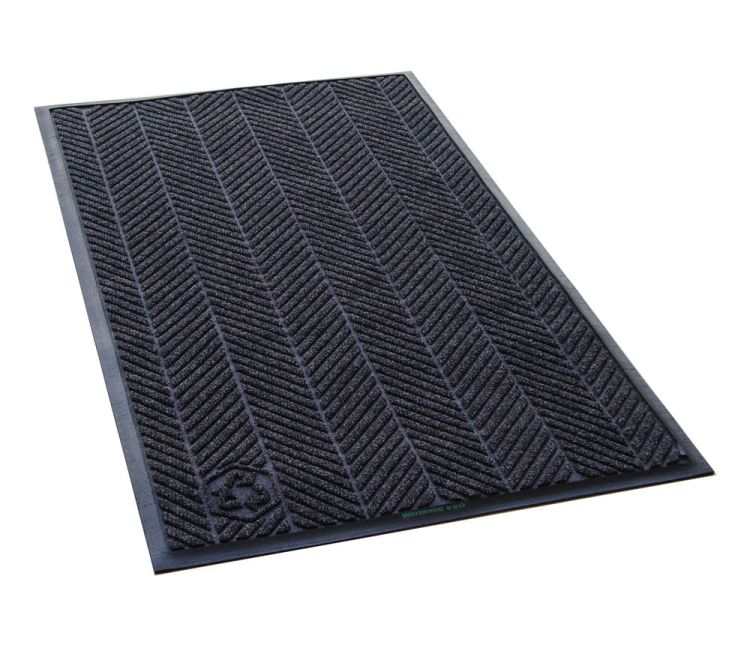


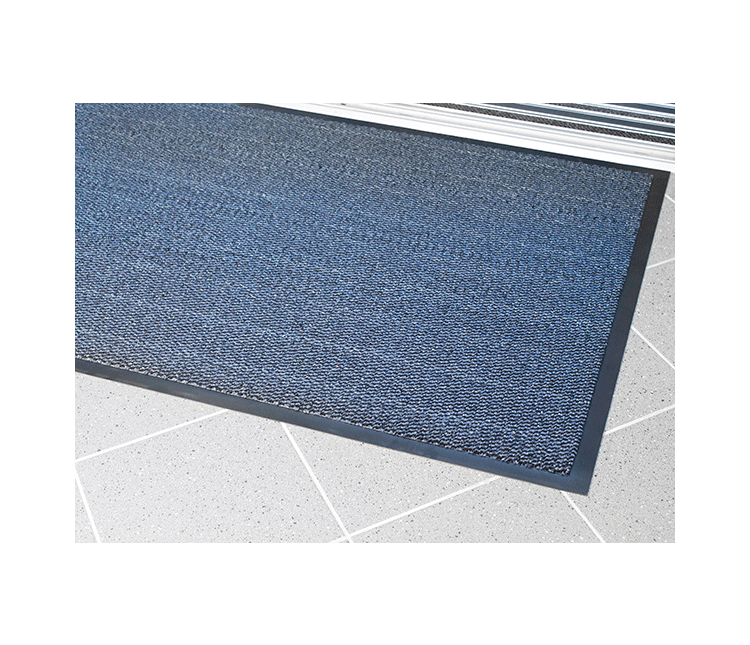
For a wider selection of indoor, outdoor, washable, WaterHog, made-to-measure and commercial entrance matting options, visit the full Entrance Mats collection.
How to Choose the Right Entrance Matting
Choosing the right entrance matting starts with understanding the entrance itself. A mat that works well in a quiet office may not be suitable for a busy school, retail shop or industrial building. Before replacing fitted entrance matting, consider the level of foot traffic, the type of dirt being carried in, the floor surface, the available space and how easy the mat will be to maintain.
Consider Foot Traffic
High-traffic entrances need stronger matting than light-use doorways. Where hundreds of people pass through each day, the mat must be durable enough to resist crushing and wear while continuing to trap moisture and debris. In these environments, heavy-duty commercial mats such as Waterhog Classic, Waterhog Eco Elite or Tri Grip Heavy-Duty Mats are usually more suitable than basic options.
Think About Weather Exposure
If the entrance opens directly onto an outdoor area, pavement, car park or exposed walkway, the matting must be able to handle wet footwear. Rain, grit and mud will place greater demands on the mat, especially during autumn and winter. Absorbency and dirt retention should be treated as priorities.
Match the Backing to the Floor
The backing of the mat is important for stability. Some mats are better suited to hard floors, while others are designed for carpeted surfaces. Choosing the correct backing helps reduce movement, curling and the need for constant repositioning.
Choose the Right Size
A mat that is too small will not allow enough contact time for shoes to be wiped properly. In busy entrances, a larger mat or longer matting run can make a noticeable difference. The more steps people take on the mat, the greater the opportunity for dirt and moisture to be removed before reaching the surrounding floor.
Plan for Cleaning and Maintenance
Entrance matting should be easy to clean and maintain. If a system is difficult to vacuum, lift or replace, it may become less effective over time. A practical maintenance routine helps preserve performance and extends the life of the mat.
Where Good Entrance Matting Makes the Biggest Difference
Entrance matting can be useful in almost any building, but some environments experience much greater benefits from having the right system in place.
Offices and Reception Areas
Office entrances need to look clean and professional throughout the day. Poor entrance matting can lead to wet footprints, dust and grit around reception areas, creating a poor first impression for visitors and clients. A suitable entrance mat helps protect the floor while supporting a neater, more professional appearance.
Retail Shops and Showrooms
Retail entrances experience regular customer footfall, especially during wet weather. If fitted matting is not performing well, dirt and moisture may spread quickly across the shop floor. Effective matting helps reduce cleaning interruptions and keeps the customer-facing environment more presentable.
Schools, Colleges and Public Buildings
Education and public buildings often have heavy peak footfall at certain times of day. During arrival periods, large numbers of people may enter with wet or dirty shoes. Durable entrance matting helps control the sudden increase in dirt and moisture, making cleaning more manageable.
Hotels and Hospitality Venues
Hospitality environments rely heavily on first impressions. A wet or dirty entrance can make a venue feel less polished, even if the rest of the space is clean. Professional entrance matting supports a better arrival experience and helps protect interior flooring.
Industrial and Commercial Buildings
Industrial entrances, staff access points and commercial buildings often deal with dirt from yards, car parks and work areas. In these settings, entrance matting needs to be durable, easy to maintain and capable of handling more demanding daily use.
Homes and Residential Entrances
Domestic entrances can also benefit from better matting, particularly in homes with children, pets, garden access or regular muddy footwear. A practical entrance mat helps reduce the amount of dirt and moisture carried into hallways and living areas.
How to Keep Entrance Matting Working Properly
Even the best entrance matting will lose performance if it is not maintained correctly. Dirt, grit and moisture build up over time, and a saturated or clogged mat will not work as effectively as a clean one.
Vacuum Regularly
Regular vacuuming removes dry dirt, dust and grit from the mat surface. In busy commercial entrances, this may need to be done daily. Removing loose debris helps the mat continue trapping more dirt as people enter.
Deep Clean When Needed
Depending on the mat type, deeper cleaning may be needed to remove embedded dirt and restore performance. Always follow the care guidance for the specific product. Some mats may be suitable for commercial cleaning methods, while others require simpler vacuuming and spot cleaning.
Check for Wear
Inspect entrance mats for signs of flattening, curling, damaged edges or worn backing. If a mat no longer lies flat or has lost its ability to absorb and trap dirt, it may need replacing.
Review Mat Size and Placement
If dirt and moisture are still being tracked beyond the mat, the issue may be size or placement rather than product quality. A larger mat, longer run or better-positioned mat can often improve performance significantly.
Adjust for Seasonal Conditions
Entrances often need more support during wet winter months. Businesses may need heavier-duty matting, more frequent cleaning or additional coverage during periods of rain, snow and grit.
Frequently Asked Questions About Entrance Matting
Q1: Why does fitted entrance matting stop working properly?
A1: Fitted entrance matting can stop working if it does not absorb enough moisture, if the surface becomes worn, if it is too small for the traffic level, or if the design focuses more on appearance than dirt and water control.
Q2: Is fitted entrance matting always better than loose-lay mats?
A2: No. Fitted entrance matting can look neat, but it is not automatically more effective. A high-quality loose-lay commercial mat can often provide better moisture absorption, easier cleaning and simpler replacement than a poorly performing fitted system.
Q3: What is the best entrance matting for wet weather?
A3: For wet weather, choose entrance matting with strong absorbency and dirt retention. WaterHog mats and heavy-duty textile entrance mats are good options because they are designed to trap moisture and debris before it spreads further indoors.
Q4: What is bi-level entrance matting?
A4: Bi-level entrance matting has a raised surface that scrapes dirt from footwear and a lower level that holds dirt and moisture below shoe level. This helps reduce the chance of debris being tracked beyond the mat.
Q5: How do I know if my current entrance matting needs replacing?
A5: Signs include wet floors beyond the mat, visible dirt being tracked indoors, worn surface areas, curling edges, constant cleaning around the entrance or the need to add extra mats as a temporary fix.
Q6: Which entrance mat is best for high-traffic commercial areas?
A6: For high-traffic commercial entrances, Waterhog Classic Heavy Duty Entrance Matting, Waterhog Eco Elite Heavy Duty Entrance Matting and Tri Grip Heavy-Duty Mats are strong options. They are designed for demanding use and effective dirt and moisture control.
Q7: Can entrance mats be used in existing mat wells or recesses?
A7: Yes, in many cases entrance mats can be selected or made to suit an existing well or recess. The key is ensuring the mat is the correct size, height and performance level for the entrance.
Q8: Are cheaper entrance mats suitable for businesses?
A8: Budget-friendly mats can work well in light to medium traffic areas, but busy commercial entrances usually need more durable, higher-performing matting. The right choice depends on the amount of footfall, moisture and dirt the entrance receives.
Q9: How often should entrance matting be cleaned?
A9: Cleaning frequency depends on traffic and weather conditions. Busy entrances may need daily vacuuming, especially during wet or muddy periods. Deeper cleaning should be carried out when the mat becomes visibly soiled or less effective.
Q10: Where can I find better entrance matting for my building?
A10: Mats4U offers a wide range of entrance matting, including WaterHog mats, indoor entrance mats, outdoor mats, washable mats, made-to-measure options and commercial entrance mats for different traffic levels and building types.


