



Every British gym, school, or leisure facility relies on changing room mats more than most people realize. More than 40 percent of slip and fall injuries in wet areas are linked to inadequate or poorly chosen mats. For British organizations, the right matting is about much more than appearances. This guide clears up common myths, outlines the essential features to look for, and explains why professional-grade mats play a crucial role in keeping users safe and facilities in top shape.
Table of Contents
- Defining Changing Room Mats And Common Myths
- Types Of Changing Room Mats For Different Settings
- Key Features: Slip Resistance, Hygiene, And Durability
- Benefits For UK Businesses And Institutions
- Essentials For Installation And Maintenance
Key Takeaways
| Point | Details |
|---|---|
| Changing Room Mats Are Essential | They enhance safety, hygiene, and user comfort in high-traffic environments, reducing slip risks in places like gyms and swimming pools. |
| Myths About Mats Mislead Organisations | Not all floor coverings provide adequate protection; specialised mats are rigorously tested for safety and hygiene. |
| Critical Features to Consider | Slip resistance, hygiene management, and durability are key attributes of effective changing room mats, influencing their overall performance. |
| Investment Benefits for Institutions | High-quality mats contribute to legal compliance and risk management, ultimately leading to cost savings and improved professional image. |
Defining Changing Room Mats and Common Myths
Changing room mats are specialised floor coverings designed to enhance safety, hygiene, and user comfort in wet and high-traffic environments. These purpose-built mats serve multiple critical functions beyond simple floor decoration, addressing significant risks in changing areas across various settings such as swimming pools, gyms, schools, and leisure centres.
Contrary to popular misconceptions, changing room mats are not mere aesthetic additions but crucial safety infrastructure. The Health and Safety Executive emphasises the importance of implementing appropriate safety measures to prevent slips and falls, with specialised mats playing a pivotal role in risk mitigation. These mats typically feature unique design characteristics:
- Highly absorbent materials to quickly remove moisture
- Anti-slip surfaces to prevent accidental falls
- Drainage capabilities to reduce water accumulation
- Antimicrobial properties to minimise bacterial growth
- Durable construction to withstand frequent use
Many organisations harbour myths about changing room mats that can compromise safety standards. Some believe standard floor coverings are sufficient, while others assume all mats provide equivalent protection. In reality, professionally designed changing room mats undergo rigorous testing to meet specific safety and hygiene requirements. Accessibility research from UCL underscores the importance of proactive safety measures, highlighting that proper mat selection is not a luxury but a fundamental aspect of facility management.
Beyond physical safety, changing room mats contribute significantly to overall facility hygiene. They act as critical barriers against water transfer, reducing slip risks and containing potential contaminants. Organisations seeking to maintain high standards of cleanliness and user protection must invest in professionally designed mats tailored to their specific environmental conditions.
Types of Changing Room Mats for Different Settings
Changing room mats are not a one-size-fits-all solution, with distinct variations designed to meet specific environmental and user requirements across diverse settings. From leisure centres and swimming pools to healthcare facilities and educational institutions, each environment demands a unique approach to mat selection that prioritises safety, hygiene, and functionality.
In sports and recreational facilities, changing room mats with specialised features play a critical role in user protection. Different mat types cater to specific needs:
- Aquatic Centre Mats: Highly water-resistant with aggressive drainage channels
- Gymnasium Changing Mats: Thicker, more cushioned surfaces to protect against hard floor impacts
- Swimming Pool Area Mats: Quick-drying materials with enhanced antimicrobial properties
- Disability Access Mats: Wider, more stable surfaces with additional grip features
Particularly noteworthy are mats designed for specific user groups, such as those supporting teens and adults in changing environments. These specialised mats often incorporate waterproof, padded, and insulating properties to ensure maximum comfort and safety. Healthcare and rehabilitation centres, for instance, require mats that can withstand frequent cleaning, provide slip resistance, and accommodate mobility aids.
Industrial and professional changing rooms present unique challenges, demanding mats that combine durability with hygiene. Construction sites, manufacturing facilities, and high-traffic environments need robust mats capable of managing moisture, preventing slip hazards, and withstanding heavy use. The selection process involves careful consideration of material composition, drainage capabilities, and resistance to chemical exposure, ensuring that each mat meets the specific operational requirements of its intended setting.
Key Features: Slip Resistance, Hygiene, and Durability
Changing room mats represent a complex engineering solution where three critical performance attributes converge: slip resistance, hygiene management, and long-term durability. These interconnected characteristics determine a mat’s effectiveness in protecting users and maintaining safe, clean environments across various institutional settings.
Slip resistance stands as the paramount safety feature, with sophisticated surface texturing designed to channel water and minimise contact friction. Specialised changing mat designs incorporate multiple strategies to prevent accidental falls, including:
- Raised surface patterns that break water surface tension
- Micro-channelled drainage systems
- High-grip polymer compounds
- Textured surfaces with varying density zones
- Bevelled edges to reduce tripping risks
Hygiene represents another crucial dimension of changing room mat performance. Modern mats integrate antimicrobial technologies that actively suppress bacterial and fungal growth, crucial in damp environments prone to microbial proliferation. Advanced materials now feature silver ion treatments, hydrophobic coatings, and quick-drying polymers that dramatically reduce the potential for pathogen transmission.
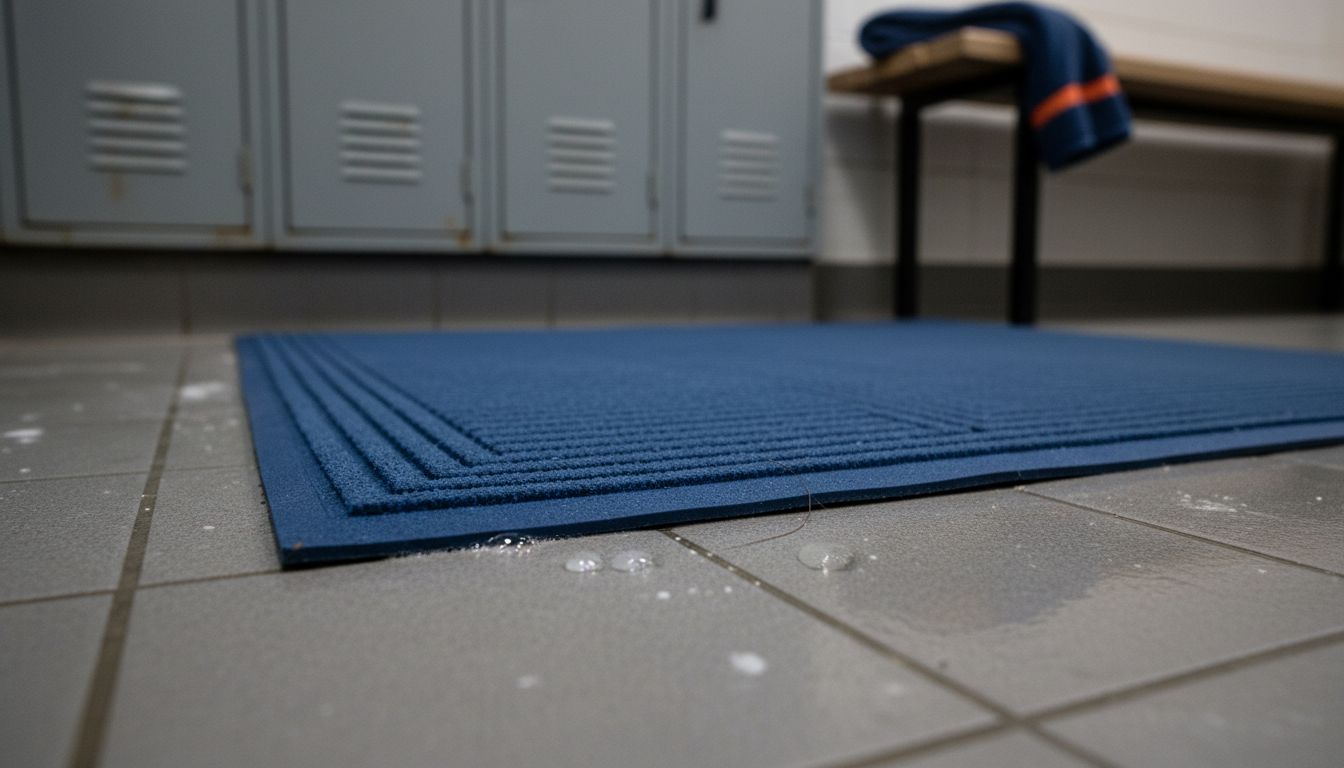
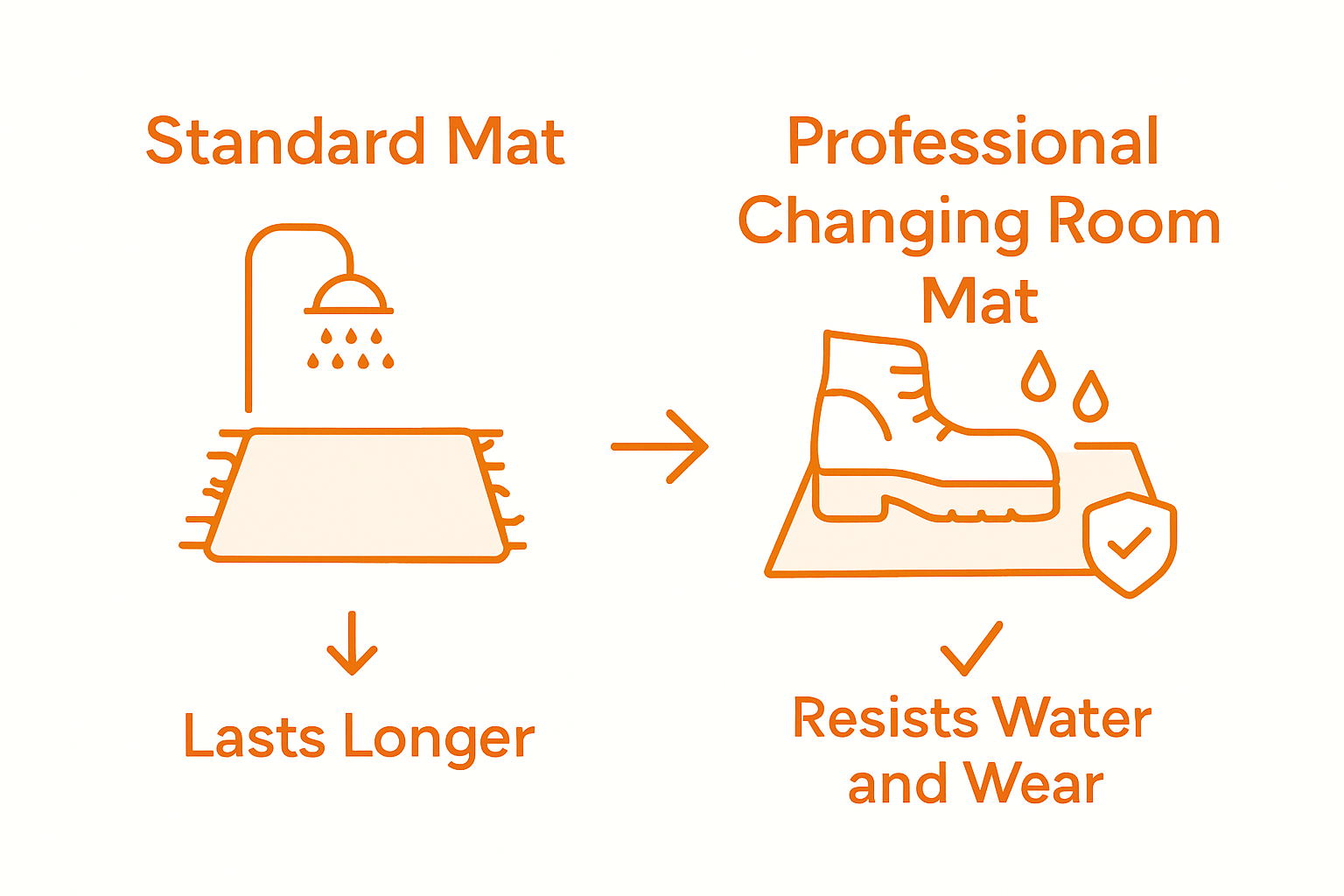
Durability emerges as the final critical consideration, with professional-grade changing room mats engineered to withstand intense usage, frequent cleaning, and harsh chemical treatments. Industrial-strength materials like high-density polyurethane, reinforced rubber composites, and specially treated synthetic fibres ensure these mats maintain structural integrity and performance characteristics even under extreme conditions, representing a long-term investment in facility safety and user protection.
Benefits for UK Businesses and Institutions
Changing room mats represent a strategic investment for British businesses across multiple sectors, offering far-reaching benefits that extend well beyond simple floor covering. These specialised solutions address critical operational challenges related to safety, compliance, and workplace management, providing tangible advantages for organisations ranging from leisure centres and educational institutions to healthcare facilities and industrial environments.
Specialised mat designs deliver substantial organisational benefits across several key dimensions:
- Legal Compliance: Proactively mitigating slip and fall risks
- Risk Management: Reducing potential workplace accident claims
- Operational Efficiency: Minimising cleaning and maintenance requirements
- Professional Image: Demonstrating commitment to staff and visitor safety
- Cost Effectiveness: Long-term protection against potential injury-related expenses
The financial implications of implementing high-quality changing room mats are particularly significant for UK institutions. By preventing potential accidents, organisations can substantially reduce insurance premiums, potential legal liabilities, and workplace disruption. Healthcare facilities, sports centres, and educational establishments especially benefit from these protective solutions, which help maintain stringent hygiene standards while creating safer environmental conditions.
Moreover, changing room mats serve as a multifunctional asset that addresses complex institutional requirements. They simultaneously solve challenges related to moisture management, bacterial transmission prevention, and user comfort. For British businesses navigating increasingly rigorous health and safety regulations, these mats represent a proactive approach to risk management, demonstrating organisational responsibility and commitment to maintaining the highest standards of workplace safety and professional infrastructure.
Essentials for Installation and Maintenance
Successful changing room mat implementation requires meticulous planning and strategic approach, extending far beyond simple placement. Organisations must consider multiple critical factors to ensure optimal performance, safety, and longevity of their matting solutions across various institutional environments.
Specialised changing mat designs demand comprehensive installation protocols that address several key considerations:
- Surface Preparation: Ensuring completely clean, level, and dry substrate
- Precise Measurement: Accurate sizing to eliminate potential tripping hazards
- Proper Alignment: Strategically positioning mats to maximise coverage
- Secure Fixing: Utilising appropriate adhesives or fixing mechanisms
- Edge Management: Installing bevelled or tapered edges for smooth transitions
Maintenance represents another crucial dimension of mat performance, requiring systematic cleaning and inspection protocols. Professional-grade changing room mats necessitate specific care strategies that preserve their structural integrity and functional characteristics. Regular maintenance involves daily debris removal, weekly deep cleaning with appropriate antimicrobial solutions, and periodic comprehensive inspections to identify potential wear or damage.
Advanced mat technologies demand nuanced maintenance approaches tailored to their specific material compositions. Synthetic polymer mats, natural rubber variants, and specialised composite materials each require unique cleaning methodologies. Facilities management teams must develop comprehensive maintenance schedules that balance rigorous hygiene standards with preservation of mat performance characteristics, ensuring these critical safety infrastructure elements remain effective throughout their operational lifecycle.
Boost Safety and Hygiene with Custom Changing Room Mats
Changing rooms demand specialised solutions to tackle moisture, slip risks and hygiene challenges. The article highlights crucial features like slip resistance, antimicrobial properties and durability that protect users in wet, high-traffic areas. If your facility faces issues with wet floors or frequent accidents, investing in high-quality mats designed specifically for these environments can transform user safety and cleanliness.
Explore our Home Mats | Cloakroom Mats | Speciality Mats | Mats4U collection for tailored options that combine functionality with lasting performance.

Don’t compromise on safety or hygiene. Discover how our made-to-measure mats can improve your changing rooms today. Visit Mats4U to find the perfect mats that meet your exact needs and take the first step towards a safer, cleaner facility now.
Frequently Asked Questions
What are changing room mats used for?
Changing room mats are designed to enhance safety, hygiene, and user comfort in wet and high-traffic environments, such as swimming pools, gyms, and schools. They help reduce slip risks and contain contaminants, ensuring a safer and cleaner environment for users.
How do changing room mats improve safety?
Changing room mats improve safety by featuring anti-slip surfaces, drainage capabilities, and moisture-absorbent materials that minimise the risk of slips and falls. Their design includes raised patterns and high-grip materials that help channel water away and provide better footing.
What are the key features to look for in changing room mats?
Key features to consider include slip resistance, antimicrobial properties, drainage capabilities, and durability. These attributes ensure the mats effectively manage moisture, minimise bacterial growth, and withstand frequent use in high-traffic areas.
How should changing room mats be maintained for optimal performance?
To maintain changing room mats, regular cleaning and inspection are essential. This includes daily debris removal, weekly deep cleaning with appropriate antimicrobial solutions, and periodic checks for wear and tear to ensure their effectiveness and longevity.
Recommended
- The Indispensable Role of Wet Area Mats in UK Facilities: Enhancing Sa – Mats4U
- Complete Guide to Classroom Mats for UK Schools – Mats4U
- 7 Essential Tips for Choosing Wet Area Mats for Business – Mats4U
- 7 Key Tips for Using Anti Fatigue Mats for Wet Areas – Mats4U
- Eco Friendly Cleaning Tips For Busy European Mums – The Zoofamily
- Understanding Dog Safety at Home: Essential Insights – iPupPee
- Τα καλύτερα στρώματα ύπνου για αλλεργίες το 2025 | Afrokoptiki


