



Keeping dust, dirt and fine particles under control is essential in clean rooms, laboratories, healthcare facilities, food production areas, pharmaceutical environments and other hygiene-critical spaces. Even small amounts of dirt carried in on shoes or wheels can affect cleanliness, increase cleaning demands and make controlled areas harder to manage.
Tacky mats are designed to solve this problem at the point of entry. They use adhesive-coated sheets to capture dirt, dust and fine particles from footwear and wheeled traffic before they move further into the building. Two similar products available from Mats4U are the Clean-Step Tacky Mat and the First-Step Anti-Microbial Tacky Mat.
Both mats are designed for indoor contamination control, both use peel-away adhesive sheets, and both are suitable for sensitive spaces. The main difference is that Clean-Step is a practical, refillable tacky mat system with a rigid backing, while First-Step adds anti-microbial treatment for more hygiene-critical areas.
Table of Contents
- Why Compare Clean-Step and First-Step Tacky Mats?
- Quick Comparison: Clean-Step vs First-Step
- What Is the Clean-Step Tacky Mat?
- What Is the First-Step Anti-Microbial Tacky Mat?
- Contamination Control Comparison
- Hygiene and Anti-Microbial Comparison
- Sheet System and Replacement Comparison
- Installation and Stability Comparison
- Size and Layout Options
- Cleaning and Maintenance
- Product Comparison: Clean-Step and First-Step
- Which One Should You Choose?
- Where to Use Tacky Mats
- Frequently Asked Questions About Tacky Mats
Why Compare Clean-Step and First-Step Tacky Mats?
Clean-Step Tacky Mat and First-Step Anti-Microbial Tacky Mat are worth comparing because they are both designed to help stop dust and dirt entering sensitive indoor areas. They are both adhesive tacky mats, which means they capture contamination from footwear and wheels using sticky surface layers.
At first glance, they may seem like the same type of product. However, the difference becomes clearer when you look at the intended environment. Clean-Step is ideal for general contamination control in clean rooms, laboratories, healthcare areas, food production and industrial entry points. First-Step is more hygiene-focused because it is anti-microbial treated and designed for sanitary areas such as hospitals, clean rooms and laboratories.
Similar Purpose, Different Hygiene Level
Both mats capture fine dirt and dust, but First-Step has an added anti-microbial treatment. This makes it the stronger choice where hygiene standards are a major concern.
Both Are Designed for Indoor Use
These mats are for indoor environments only. They should be used at controlled entry points, clean room doors, hospital areas, laboratories, factories and other dry indoor spaces where contamination control is needed.
Useful for Footwear and Wheeled Traffic
Both mats are designed to capture contamination from shoes and wheels. This makes them useful where staff, visitors, carts, trolleys or wheeled equipment move from general areas into cleaner zones.
Quick Comparison: Clean-Step vs First-Step
The table below gives a simple overview of how the two mats compare.
| Feature | Clean-Step Tacky Mat | First-Step Anti-Microbial Tacky Mat |
|---|---|---|
| Best For | General contamination control in hygiene-critical indoor spaces | Sanitary environments needing anti-microbial tacky matting |
| Main Function | Captures dirt, dust and debris from footwear and wheels | Captures fine dust and helps inhibit bacteria, mould and mildew |
| Material | PE with water-based acrylic adhesive | PE with water-based acrylic adhesive |
| Surface Finish | Smooth | Smooth |
| Mat Height | 6.5mm | 1.5mm |
| Sheets | 60-layer replacement pads available | 4 pads of 30 sheets, 120 sheets total |
| Colours | White or blue | White or blue |
| Main Advantage | Refillable system with rigid backing and multiple size options | Anti-microbial treatment for hygiene-sensitive areas |
What Is the Clean-Step Tacky Mat?

The Clean-Step Tacky Mat is a multi-layer adhesive mat designed to capture dirt, dust and contamination at the point of entry. It uses adhesive-coated polyethylene sheets that hold onto particles from footwear and wheeled traffic. Once the top sheet becomes dirty, it can be peeled away to reveal a fresh clean layer underneath.
Clean-Step is supplied with a sturdy rigid backing, helping it stay in place while still allowing easy relocation when needed. It is designed for controlled indoor environments where cleanliness matters, including clean rooms, healthcare spaces, laboratories, food production areas and industrial entry points.
Practical Contamination Control
Clean-Step is designed for everyday contamination control. It helps stop fine dirt and dust from being carried into cleaner areas, making it useful where hygiene and cleanliness need to be managed consistently.
Refillable Mat System
One of the key advantages of Clean-Step is its refillable system. Replacement pads are available, so the base can continue to be used while the adhesive layers are replaced as needed.
Rigid Backing for Stability
The rigid backing helps keep the mat secure and stable. This makes Clean-Step a practical choice where the mat may need to be moved or repositioned without relying only on floor adhesion.
Multiple Size Options
Clean-Step is available in white or blue, with options for replacement 60-layer pads, a mat with single inserts and a mat with double inserts. This gives more flexibility for different entrance sizes and traffic levels.
What Is the First-Step Anti-Microbial Tacky Mat?
The First-Step Anti-Microbial Tacky Mat is an adhesive tacky mat designed for sensitive indoor environments where hygiene is especially important. Like Clean-Step, it captures fine dust particles from footwear and wheeled traffic. The key difference is that First-Step is anti-microbial treated.
The tacky sheets are treated with an anti-microbial agent that helps inhibit the growth of bacteria, mould and mildew on the mat. This makes it especially suitable for hospitals, clean rooms, dentists, laboratories and industrial facilities where hygiene control is a priority.
Anti-Microbial Treated Surface
First-Step is designed to help improve sanitation by combining adhesive dust capture with anti-microbial treatment. This makes it a stronger option for areas where contamination control and hygiene standards both matter.
Supplied as 120 Sheets
First-Step is supplied as 4 pads of 30 sheets, giving a total of 120 sheets. When the top layer becomes soiled, it can be peeled away to reveal a clean sheet underneath.
Self-Adhesive Backing
The mat has self-adhesive backing that sticks to most floors, helping keep it in position at entry points.
Designed for Sanitary Indoor Environments
First-Step is best for indoor spaces such as hospitals, clean rooms, dentists, laboratories and industrial facilities where hygiene and fine particle control are important.
Contamination Control Comparison
Both Clean-Step and First-Step are designed to reduce contamination transfer. They work by using sticky sheets to capture fine dirt and dust from footwear and wheels before those particles are carried further into a controlled area.
Clean-Step Contamination Control
Clean-Step is a strong option for general contamination control. It captures dust and debris instantly and is suitable for clean rooms, laboratories, hospitals, pharmaceutical and electronics manufacturing, food production areas and industrial entry points.
First-Step Contamination Control
First-Step also captures fine dust particles from footwear and wheeled traffic. It is particularly useful where the contamination concern includes hygiene risks as well as ordinary dust and dirt.
Which Captures Dirt Better?
Both products are designed to capture dirt and dust using adhesive layers, so both are effective for fine particle control. The better choice depends less on dirt capture and more on whether anti-microbial treatment is required.
Which Is Better for General Dust Control?
Clean-Step is usually the better choice for general dust control because it offers a practical refillable system, rigid backing and multiple size options.
Hygiene and Anti-Microbial Comparison

Hygiene is the main point of difference between these two mats. Both help keep controlled areas cleaner, but First-Step has the added benefit of anti-microbial treatment.
Clean-Step Hygiene Support
Clean-Step helps improve hygiene by reducing the amount of dirt and dust transferred into clean areas. It is not described as anti-microbial, but it supports cleaner spaces by removing contamination from shoes and wheels.
First-Step Hygiene Support
First-Step goes further by using anti-microbial treatment to inhibit bacteria, mould and mildew on the mat. This makes it more suitable for sensitive environments where hygiene control is more critical.
Which Is Better for Hospitals?
First-Step is the stronger option for hospitals and healthcare environments because it combines adhesive tacky mat performance with anti-microbial treatment.
Which Is Better for Clean Rooms?
Both can be used in clean rooms, but First-Step is better when anti-microbial performance is required. Clean-Step is better when a refillable, rigid-backed tacky mat system is preferred.
Sheet System and Replacement Comparison
Both products use peel-away sheets. This is what makes tacky mats convenient: instead of washing the mat, the dirty top sheet is simply removed.
Clean-Step Sheet System
Clean-Step uses 60-layer replacement pads. Once the top sheet is dirty, it can be peeled away to expose a fresh layer. When all sheets are used, the refill pad can be replaced.
First-Step Sheet System
First-Step is supplied as 4 pads of 30 sheets, giving a total of 120 sheets. The top sheet is removed once soiled, revealing a clean layer beneath.
Which Lasts Longer?
First-Step is supplied with more total sheets in the set, while Clean-Step is designed as a refillable system with replacement pads. The better option depends on whether you prefer more sheets supplied upfront or a base-and-refill style system.
Which Is Easier to Manage?
Both are easy to manage because neither requires traditional cleaning. Clean-Step may be more convenient where a rigid base and refill system is preferred. First-Step may be more convenient where disposable anti-microbial sheet packs are needed.
Installation and Stability Comparison

Tacky mats must stay properly positioned to work effectively. If a mat moves, lifts or is placed in the wrong area, people and wheels may bypass it or fail to make enough contact with the adhesive surface.
Clean-Step Installation
Clean-Step is loose laid with a rigid backing. This helps keep the mat stable while allowing it to be relocated when needed. This is useful in environments where the mat layout may change or where a movable base is preferred.
First-Step Installation
First-Step has self-adhesive backing that sticks to most floors. This helps keep it secure in one place at an entrance or transition point.
Which Is Better for Permanent Placement?
First-Step is often better for more fixed placement because of its self-adhesive backing. It is designed to stay in position at a specific hygiene-control point.
Which Is Better for Flexible Placement?
Clean-Step is better where the mat may need to be moved, repositioned or used with a rigid base system.
Size and Layout Options
Size matters because the mat needs to cover the area where people or wheels naturally pass. A tacky mat that is too small may not give enough contact time to capture contamination properly.
Clean-Step Size Options
Clean-Step is available as 60cm x 76cm replacement 60-layer pads, an 80cm x 60cm mat with single inserts, and an 80cm x 130cm mat with double inserts. This makes it more flexible for different entry points.
First-Step Size
First-Step is available in a standard 45cm x 117cm size. This makes it suitable for controlled entry points where a long, narrow tacky mat is needed.
Which Has More Size Flexibility?
Clean-Step offers more size and layout flexibility because it has single insert, double insert and replacement pad options.
Which Is Better for Narrow Entry Points?
First-Step may suit narrow entry points well because of its 45cm x 117cm format.
Cleaning and Maintenance

One of the main advantages of tacky mats is that they do not need traditional cleaning. Instead of scrubbing, washing or drying the mat, the soiled top sheet is removed and replaced by a clean layer underneath.
Clean-Step Maintenance
Clean-Step requires no traditional cleaning. When the top layer becomes dirty, simply peel it away, dispose of it responsibly and continue using the clean layer beneath. Once all 60 sheets are used, replace the pad.
First-Step Maintenance
First-Step is maintained in the same simple way. When the top sheet becomes soiled, peel it away to reveal a clean sheet underneath.
Why This Matters
This peel-away system helps reduce downtime and keeps the mat performing consistently. It is particularly useful in busy hygiene-controlled areas where cleaning routines need to be quick and reliable.
Maintenance Tip
Place tacky mats on clean, dry indoor floors and check the top sheet regularly. If the adhesive surface is visibly dirty, it should be peeled away so the mat can continue capturing dust effectively.
Product Comparison: Clean-Step and First-Step
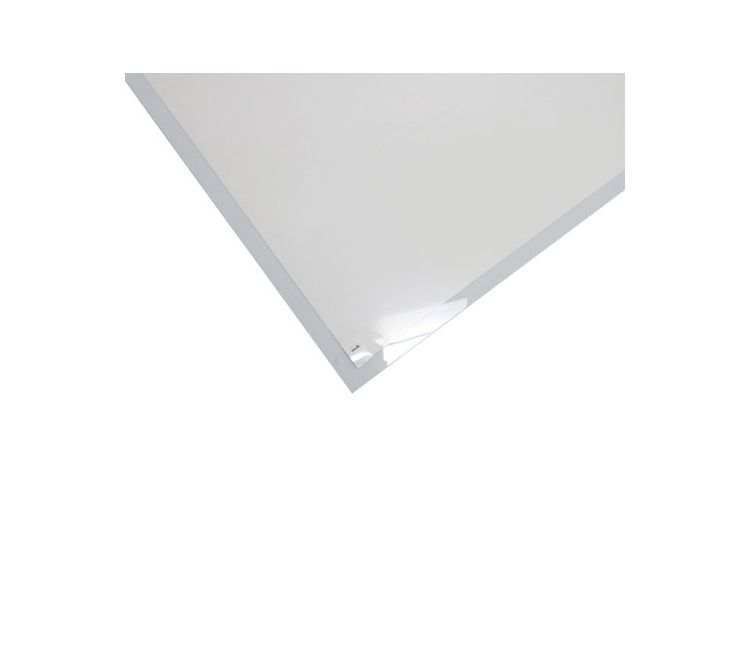
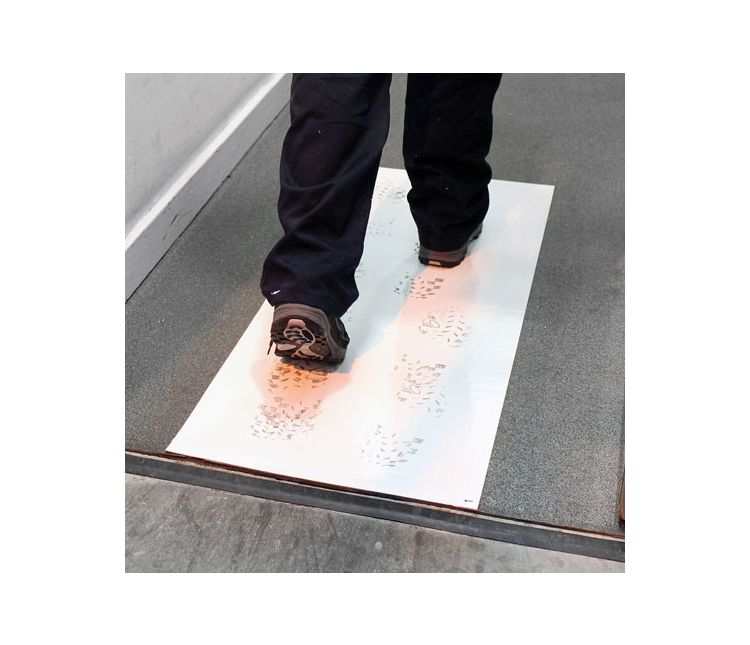
The following two Mats4U products are very similar tacky mat options, making them ideal for a direct comparison.
Which One Should You Choose?
The easiest way to choose between Clean-Step and First-Step is to decide whether you need general contamination control or anti-microbial hygiene support.
Choose Clean-Step Tacky Mat If:
- You need a practical tacky mat for general contamination control.
- You want a refillable system with 60-layer replacement pads.
- You prefer a rigid backing that allows easier relocation.
- You need single or double insert size options.
- You want a cost-effective solution for clean rooms, labs, food production or industrial entry points.
- You do not specifically need anti-microbial treatment.
Choose First-Step Anti-Microbial Tacky Mat If:
- You need anti-microbial treated tacky matting.
- The mat will be used in a hospital, clean room, dentist, laboratory or hygiene-critical facility.
- You want 4 pads of 30 sheets supplied as a set.
- You need self-adhesive backing to help secure the mat to the floor.
- You want to capture fine dust while also helping inhibit bacteria, mould and mildew on the mat.
- Hygiene control is more important than size flexibility.
The Simple Answer
Choose Clean-Step if you want a flexible, refillable tacky mat system for general contamination control. Choose First-Step if you need anti-microbial treated tacky matting for hygiene-sensitive indoor environments.
Where to Use Tacky Mats

Tacky mats are best placed at transition points where people or wheeled equipment move from general areas into cleaner, more controlled spaces. Correct placement helps maximise contact with the adhesive surface.
Clean Rooms
Clean rooms need strict control over dust and fine particles. Tacky mats help reduce contamination brought in on shoes and wheels.
Hospitals and Healthcare Facilities
Healthcare spaces need careful hygiene management. First-Step is especially suitable here because of its anti-microbial treatment.
Laboratories
Laboratories often require controlled entry points. Tacky mats help capture fine dust before it reaches the working area.
Food Production Areas
Food production environments benefit from dust and dirt control at entry points, especially where staff or equipment move between zones.
Pharmaceutical and Electronics Manufacturing
These environments often need clean, controlled floors. Tacky mats help reduce particle transfer from footwear and wheeled traffic.
Industrial Entry Points
Industrial sites can use tacky mats where workers move from dusty areas into cleaner offices, labs, inspection areas or production zones.
Frequently Asked Questions About Tacky Mats
Q1: What is the difference between Clean-Step and First-Step tacky mats?
A1: Clean-Step is a general contamination-control tacky mat with a rigid backing and refillable 60-layer pads. First-Step is anti-microbial treated and designed for more hygiene-sensitive environments.
Q2: Which tacky mat is better for hospitals?
A2: First-Step Anti-Microbial Tacky Mat is the better choice for hospitals because it is anti-microbial treated and designed for sanitary environments.
Q3: Which tacky mat is better for general clean room use?
A3: Both can be used in clean rooms. Clean-Step is a practical refillable option, while First-Step is better where anti-microbial treatment is needed.
Q4: Do tacky mats need to be washed?
A4: No. Tacky mats use peel-away adhesive sheets. When the top sheet becomes dirty, simply peel it away to reveal a clean layer beneath.
Q5: Can tacky mats be used outdoors?
A5: No. These tacky mats are designed for indoor environments only.
Q6: Do tacky mats work with wheeled traffic?
A6: Yes. Both Clean-Step and First-Step are designed to capture particles from footwear and wheeled traffic.
Q7: Which mat has more sheet layers?
A7: First-Step is supplied as 4 pads of 30 sheets, giving 120 sheets total. Clean-Step uses 60-layer replacement pads.
Q8: Which mat has more size options?
A8: Clean-Step has more size options, including replacement pads, a mat with single inserts and a mat with double inserts.
Q9: What colours are available?
A9: Both Clean-Step and First-Step are available in white and blue options.
Q10: What is the best tacky mat for hygiene-critical areas?
A10: First-Step Anti-Microbial Tacky Mat is the stronger choice for hygiene-critical areas because it includes anti-microbial treatment.
Q11: What is the best tacky mat for cost-effective dust control?
A11: Clean-Step Tacky Mat is a strong option for cost-effective dust and dirt control because it offers refill pads, rigid backing and practical size options.
Q12: Where can I buy Clean-Step and First-Step tacky mats?
A12: Both Clean-Step Tacky Mat and First-Step Anti-Microbial Tacky Mat are available from Mats4U for indoor contamination control and hygiene-sensitive environments.


