



The unpredictable and often damp climate across the UK presents a continuous challenge for businesses of all types: the relentless intrusion of mud, grit, and moisture. From bustling city centres to rural industrial estates, maintaining a clean, safe, and professional environment becomes a daily battle against the elements. Muddy footprints not only detract from a premises' appearance but also pose significant slip hazards, accelerate floor wear, and contribute to higher cleaning costs. This comprehensive guide explores the critical role of high-quality entrance mats in preventing mud ingress, offering strategic insights and product recommendations to help UK businesses establish an impenetrable first line of defence against dirt.
Table of Contents
- The Persistent Challenge of Mud in UK Environments
- Understanding the Enemy: Types of Mud and Dirt
- Essential Features of Superior Mud-Removing Mats
- Selecting the Right Mat for Your Specific Needs
- Outdoor Scraper Mats: The First Line of Defence
- Indoor Entrance Systems: Completing the Barrier
- Specialised Matting Solutions for Unique Environments
- Implementing an Effective Mud Management Strategy
- Maintenance Tips for Longevity and Performance
- The Undeniable Benefits of Proactive Mud Control
- Featured Mud-Removing Mat Solutions
- Frequently Asked Questions About Mud Control Mats
The Persistent Challenge of Mud in UK Environments
The UK's temperate maritime climate, characterised by frequent rainfall, makes mud a pervasive issue for any property with outdoor access. Whether it's soil from gardens, construction sites, agricultural land, or simply damp earth from paths and pavements, mud finds its way indoors with surprising ease. Once inside, it quickly spreads, creating a litany of problems that impact safety, aesthetics, and operational efficiency.
For businesses, the consequences of unchecked mud are far-reaching. Slippery floors due to muddy deposits are a leading cause of slips, trips, and falls, presenting a serious health and safety risk to employees and customers alike. Beyond the immediate danger, the constant abrasion from trapped grit acts like sandpaper on flooring, drastically shortening the lifespan of carpets, tiles, and hard floors, necessitating costly repairs or premature replacement. Furthermore, a muddy entrance creates a negative first impression, subtly communicating a lack of attention to detail that can undermine a business's professional image and customer perception. The unsightly trails and constant need for cleaning also consume valuable staff time and resources, diverting them from more productive tasks. Addressing mud at its source, before it enters the building, is not merely a matter of cleanliness; it's a strategic investment in safety, longevity, and brand reputation.
Understanding the Enemy: Types of Mud and Dirt
Not all mud is created equal. Recognising the different compositions of mud and dirt encountered in various environments is crucial for selecting the most effective matting solution. Each type presents unique challenges that a general-purpose mat might fail to address adequately.
- General Soil and Garden Mud: Common in urban and suburban settings, this typically consists of soil, sand, and organic matter. It's often sticky when wet but can quickly dry into fine dust. Effective mats need good scraping capability and decent moisture absorption.
- Heavy Clay Mud: Prevalent in many agricultural and construction areas, clay mud is notoriously sticky and dense. It clings tenaciously to footwear and vehicle tyres, making it difficult to dislodge. Mats for this type of mud require aggressive scraping bristles and deep reservoirs to trap large quantities of material.
- Construction Site Debris: Beyond just mud, construction sites introduce a mix of gravel, small stones, cement dust, and other coarse materials. Mats must be exceptionally robust and durable, capable of withstanding heavy-duty scraping without quickly degrading.
- Industrial Grime and Oils: In industrial settings, mud can be mixed with grease, oil, chemicals, and metal shavings. These environments demand mats made from specific materials, such as nitrile rubber, that resist chemical degradation and offer enhanced scraping for tough, greasy deposits. Anti-microbial properties, as found in products like Comfort Flow Anti Microbial Rubber Mats, can also be beneficial in certain industrial and food preparation areas to maintain hygiene alongside mud control.
- Agricultural Muck: Farms and equestrian centres deal with a particularly stubborn combination of soil, manure, and plant matter. Mats designed for these areas need extreme scraping power and easy wash-down capabilities to handle large volumes of organic debris.
By understanding the specific challenges posed by the prevalent type of mud and dirt in your location, you can tailor your matting strategy to ensure maximum effectiveness and efficiency.
Essential Features of Superior Mud-Removing Mats
To truly combat the influx of mud, a mat must possess a combination of critical features. These attributes work in concert to scrape, trap, and contain dirt, preventing it from spreading further into your premises.
- Aggressive Scraping Action: The primary function of an effective mud mat is to physically dislodge stubborn dirt and debris from the soles of shoes. This is achieved through robust, raised patterns, durable rubber nubs, or stiff bristles designed to dig into shoe treads. Without this initial scraping, much of the mud will simply be carried over the mat.
- High Dirt Trapping Capacity: Once scraped, the mud needs a place to go. Superior mats feature deep grooves, recessed channels, or open grid designs that effectively capture and hold large volumes of dirt and moisture. This prevents the debris from being tracked back out onto the clean floor with subsequent foot traffic.
- Exceptional Absorption: While scraping handles the bulk of solid mud, a good mat also needs to absorb moisture. Textile-based mats or those with a combination of scraping and absorbent fibres excel here, soaking up wetness and finer particles that scraping alone might miss. This is crucial for preventing damp footprints and reducing slip hazards.
- Durability and Resilience: Mud-removing mats, especially those placed outdoors or in high-traffic zones, are subjected to constant wear and tear, harsh weather, and abrasive dirt. They must be constructed from highly durable materials like robust rubber (nitrile or natural), heavy-duty polypropylene, or coir that can withstand extreme conditions without losing their structural integrity or effectiveness.
- Non-Slip Backing: Safety is paramount. An effective mud mat must stay firmly in place, even when wet or under heavy foot traffic. A strong, non-slip rubber backing is essential to prevent the mat from sliding, buckling, or becoming a trip hazard itself.
- Ease of Cleaning: A mat that effectively traps mud will eventually become saturated with it. For long-term performance and hygiene, the mat must be easy to clean. Features like hose-down capability, shake-out designs, or even machine washability (for smaller textile mats) are vital for convenient maintenance and ensuring the mat remains effective.
Selecting the Right Mat for Your Specific Needs
Choosing the optimal mud-removing mat requires careful consideration of several factors unique to your business environment. A one-size-fits-all approach is rarely effective.
- Traffic Volume: Assess the number of people entering and exiting your premises daily.
- Light Traffic (less than 50 people/day): Smaller businesses, offices with limited visitors. Mats can be less industrial but still need good scraping.
- Medium Traffic (50-500 people/day): Retail stores, small schools, clinics. Require more robust scraping and absorption.
- Heavy Traffic (500+ people/day): Large commercial buildings, industrial sites, public institutions. Demand heavy-duty, highly durable mats with significant dirt-trapping capacity.
- Type of Environment:
- Urban/Office: Mainly light soil and dust. Aesthetics might be more critical, but effective scraping is still needed.
- Retail/Commercial: Mix of general dirt and moisture. Requires a balance of functionality and appearance.
- Industrial/Agricultural: Heavy mud, grease, chemicals. Durability, aggressive scraping, and chemical resistance are key.
- Food Service/Kitchen: Requires anti-fatigue, anti-microbial, and drainage properties in addition to scraping.
- Indoor vs. Outdoor Placement: Outdoor mats must withstand all weather conditions, from intense sun to freezing rain, and focus on aggressive scraping. Indoor mats often prioritise finer dirt removal, moisture absorption, and aesthetic integration with interior design. Many effective mud control strategies involve a combination of both.
- Maintenance Capacity: Consider how often and how thoroughly you can clean your mats. Easy-to-clean mats (e.g., hose-down rubber mats) are ideal for high-mud environments where frequent maintenance is necessary.
By systematically evaluating these factors, businesses can make an informed decision, ensuring their matting solution is perfectly aligned with their operational demands and environmental challenges.
Outdoor Scraper Mats: The First Line of Defence
The battle against mud should always begin at the entrance to your building. Outdoor scraper mats are specifically engineered to tackle the heaviest, most stubborn deposits of mud and grit, preventing them from ever crossing your threshold. These mats act as a formidable barrier, significantly reducing the amount of dirt tracked indoors.
Typically constructed from robust materials like durable rubber or heavy-duty PVC, outdoor scraper mats feature aggressive, raised patterns or deep recesses that physically scrape mud from footwear. Their open construction allows dislodged dirt to fall into reservoirs, keeping the surface clear for continued effectiveness. They are designed to withstand extreme weather conditions, including rain, snow, and UV exposure, without deteriorating. Products like the Superscrape Non Slip Rubber Mats exemplify this category, offering exceptional durability and scraping power for demanding environments. For businesses seeking a cost-effective yet resilient solution, the Value Rubber Scraper Mat provides excellent mud removal capabilities, ensuring that the bulk of the muck is left outside, safeguarding your interior spaces.
Indoor Entrance Systems: Completing the Barrier
While outdoor scraper mats handle the heavy lifting, an effective mud control strategy is incomplete without a robust indoor entrance system. These mats serve to capture finer dirt particles, dust, and crucially, absorb moisture that outdoor mats might miss. They act as the final stage in a comprehensive matting solution, ensuring that the last traces of outdoor elements are prevented from entering the main interior areas.
Indoor entrance mats are often made from absorbent textile fibres like nylon, polypropylene, or cotton, specifically designed to wick away moisture and trap fine particulate matter. They come in various pile heights and densities, with denser piles offering greater trapping capacity. For optimal performance, these mats should ideally be long enough to allow for several footfalls (at least 6-8 steps), ensuring that shoes are thoroughly cleaned and dried. Combining an aggressive outdoor scraper with a high-quality indoor absorbent mat creates a highly effective two-zone system, significantly enhancing cleanliness, safety, and extending the life of your interior flooring.
Specialised Matting Solutions for Unique Environments
Beyond general entrance applications, certain environments demand highly specialised matting solutions that address unique challenges alongside mud control. These mats are engineered with specific properties to cater to the stringent requirements of particular industries.
- Industrial & Manufacturing Facilities: Here, mud can be mixed with oils, chemicals, metal shavings, and heavy debris. Mats for these settings must be extremely robust, often made from chemical-resistant nitrile rubber. They frequently incorporate anti-fatigue properties to support workers standing for long periods, enhancing comfort and productivity while providing exceptional scraping capabilities.
- Commercial Kitchens & Food Service: In these environments, hygiene is paramount. Mud and general dirt combine with food spills, grease, and moisture, creating hazardous conditions. Specialised kitchen mats, such as the Comfort Flow Anti Microbial Rubber Mats, are designed with perforated surfaces for superior drainage, preventing liquid pooling. Their anti-microbial properties inhibit bacterial growth, ensuring a more hygienic surface. Additionally, their anti-fatigue design provides crucial support for kitchen staff, while their robust rubber construction effectively traps food debris and general dirt.
- Healthcare Facilities: While direct mud might be less prevalent indoors, these environments require stringent hygiene. Mats need to be easily cleanable, non-porous, and sometimes feature anti-microbial qualities to prevent the spread of pathogens, alongside their dirt-trapping functions.
- Leisure & Sports Facilities: Gyms, swimming pools, and sports centres often contend with wet shoes, grass, and artificial turf debris. Mats here need excellent drainage, slip resistance, and the ability to capture specific types of outdoor grime.
Identifying the specific needs of your operation is key to selecting a matting solution that not only tackles mud but also enhances safety, hygiene, and operational efficiency in your unique working environment.
Implementing an Effective Mud Management Strategy
An effective mud management strategy goes beyond simply placing a mat at the door; it involves a thoughtful, systematic approach to preventing dirt ingress. The most successful strategies utilise a multi-zone matting system, creating layers of defence that progressively clean footwear.
- Zone 1: Outdoor Scraper Matting: This is your primary defence. A robust, heavy-duty scraper mat should be placed directly outside the entrance. Its purpose is to remove the bulk of heavy mud, stones, and coarse dirt from footwear. The larger the mat, the more effective it will be, forcing individuals to take several steps across its surface.
- Zone 2: Indoor Scraper/Wiper Matting: Immediately inside the entrance, a second mat should be placed. This mat often combines scraping and wiping properties, designed to remove finer particles and begin absorbing moisture. It acts as a transitional barrier, preparing footwear for the final cleaning stage.
- Zone 3: Indoor Absorbent Matting: For optimal results, a third, highly absorbent mat should follow. This mat is specifically designed to trap fine dust, residual dirt, and soak up moisture, ensuring that shoes are as clean and dry as possible before stepping onto the main flooring. The length of this mat is critical – ideally long enough to allow for at least 6-8 steps to maximise absorption and cleaning.
Beyond the mat types, consider the size of your entrance and the traffic volume. Larger, wider mats are always more effective as they are harder to avoid and provide a greater surface area for dirt removal. Furthermore, custom-fit matting can ensure comprehensive coverage for unusual entrance shapes or revolving doors. Don't underestimate the power of professional consultation. Experts in matting solutions can assess your specific traffic patterns, environmental conditions, and business needs to recommend a tailored, highly effective mud management system that integrates seamlessly with your operations.
Maintenance Tips for Longevity and Performance
Even the most advanced mud-removing mat will lose its effectiveness if not properly maintained. Regular cleaning is crucial to ensure longevity, sustained performance, and continued hygiene.
- Routine Cleaning:
- Shake out: For outdoor rubber mats, simply shaking them out vigorously can dislodge much of the trapped mud and debris.
- Hose down: Many outdoor rubber mats and heavy-duty industrial mats can be easily hosed down with water. For stubborn grime, a stiff brush can be used. Allow them to air dry thoroughly before repositioning.
- Vacuuming: Indoor textile mats should be vacuumed daily, especially in high-traffic areas, to remove accumulated dust and fine dirt. Use a strong commercial-grade vacuum cleaner.
- Deep Cleaning:
- Pressure washing: For extremely dirty rubber mats, a pressure washer can be highly effective in blasting away embedded mud. Ensure the mat is designed to withstand this.
- Extracting/Shampooing: For textile mats, periodic deep cleaning using carpet extraction machines or shampooing can restore their absorbency and appearance. Always follow the manufacturer's cleaning instructions.
- Chemical Resistance: If your mats are exposed to oils or chemicals (e.g., in industrial settings), use appropriate cleaners that are safe for the mat material and effective against the specific contaminants.
- Rotation: If you have multiple mats of the same type, rotating them periodically can help distribute wear evenly, extending the lifespan of each mat.
- Timely Replacement: Regularly inspect your mats for signs of excessive wear, such as flattened piles, torn edges, or diminished scraping ability. A worn-out mat is ineffective and can become a trip hazard. Replacing mats when they show significant signs of degradation is a vital part of a proactive maintenance strategy.
Adhering to a consistent cleaning schedule ensures your mud-removing mats continue to provide optimal performance, protecting your premises and upholding your professional image.
The Undeniable Benefits of Proactive Mud Control
Investing in high-quality mud-removing mats and implementing a robust mud management strategy yields a multitude of benefits that extend far beyond simply having cleaner floors. These advantages contribute significantly to a business's operational efficiency, financial health, and overall reputation.
- Enhanced Safety: The most immediate and critical benefit is the drastic reduction in slip and fall incidents. Wet, muddy floors are a primary cause of workplace accidents and public liability claims. Effective matting provides a stable, dry surface, significantly mitigating this risk for both employees and visitors.
- Improved Cleanliness & Hygiene: By trapping dirt and moisture at the entrance, mats prevent the spread of contaminants throughout the building. This leads to visibly cleaner floors, a more pleasant environment, and better overall hygiene, which is particularly important in healthcare, food service, and retail sectors.
- Reduced Cleaning Costs & Time: With less mud and dirt tracked inside, the frequency and intensity of floor cleaning are dramatically reduced. This translates directly into lower labour costs for cleaning staff, reduced expenditure on cleaning supplies, and more efficient use of resources.
- Positive Impression & Brand Image: A clean, well-maintained entrance makes a powerful statement. It conveys professionalism, attention to detail, and a commitment to customer comfort and safety. This positive first impression can significantly enhance a brand's image and foster trust among clients and visitors.
- Extended Floor Lifespan: Grit and abrasive dirt act like sandpaper on flooring materials, causing scratches, dulling finishes, and accelerating wear. By capturing these destructive particles, entrance mats protect expensive carpets, hardwood, tiles, and other floorings, significantly extending their lifespan and delaying the need for costly replacements or refurbishments.
- Noise Reduction: In some environments, especially those with hard flooring, textile entrance mats can also contribute to a reduction in ambient noise, creating a calmer and more comfortable interior atmosphere.
The cumulative effect of these benefits underscores that proactive mud control is not an expense, but rather a wise investment in the long-term success and sustainability of any UK business.
Featured Mud-Removing Mat Solutions
To assist in your mud control strategy, here are two exceptional products from Mats4U, designed to tackle different aspects of dirt and moisture ingress.

Comfort Flow Anti Microbial Rubber Mats
£56.00
Specifically designed for areas where hygiene is paramount, such as commercial kitchens or food processing plants. Its anti-microbial properties inhibit bacterial growth, while the robust rubber construction effectively traps debris and provides excellent anti-fatigue benefits for standing workers. The perforated design allows liquids to drain away, maintaining a drier, safer surface.
Ideal for environments where standing comfort, hygiene, and efficient drainage are critical alongside dirt control.
View Product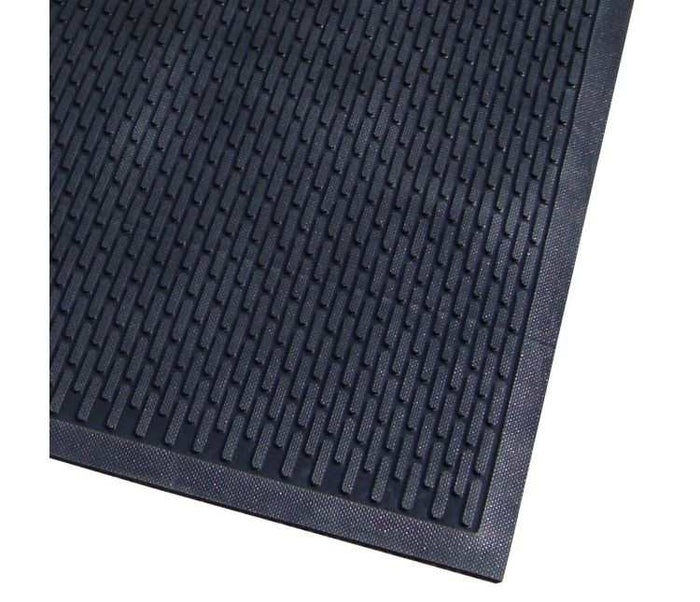
Superscrape Non Slip Rubber Mats
£66.00
An exceptionally durable outdoor mat engineered to aggressively scrape mud, grit, and heavy dirt from footwear before it enters your premises. Its robust nitrile rubber construction ensures longevity and resistance to oils and chemicals, making it ideal for high-traffic industrial, commercial, and agricultural entrances. The cleated backing minimises mat movement, enhancing safety and mud trapping effectiveness.
Perfect as a primary outdoor barrier for heavy-duty mud removal in demanding settings.
View ProductReady to tackle the mud challenge head-on? Explore the full range of Mats4U mud-removing mats and find the perfect solution for your business.
Frequently Asked Questions About Mud Control Mats
- Q1: How often should I clean my mud-removing mat?
- A1: The frequency of cleaning depends heavily on traffic volume and the amount of mud encountered. In high-traffic, muddy environments, outdoor mats might need daily shaking or hosing down, while indoor mats might require daily vacuuming. In lighter conditions, weekly cleaning might suffice. Regular inspection will help determine the optimal schedule.
- Q2: Can these mats be used in extreme weather conditions?
- A2: Yes, high-quality outdoor mud-removing mats are specifically designed to withstand extreme UK weather, including heavy rain, frost, and UV exposure. Mats made from durable nitrile rubber or robust PVC are particularly resilient to environmental factors without cracking or degrading.
- Q3: What's the key difference between an outdoor scraper mat and an indoor entrance mat?
- A3: Outdoor scraper mats focus on aggressive physical scraping to remove bulk mud and debris using tough rubber nubs or patterns. Indoor entrance mats, often made of textile fibres, are designed to absorb finer moisture and dust, completing the cleaning process and ensuring a dry, clean final step.
- Q4: How do I choose the right size mat for my entrance?
- A4: For optimal effectiveness, mats should be as wide as the doorway and long enough to allow for at least 6-8 footfalls. This ensures that most people will take enough steps on the mat for it to effectively scrape and absorb dirt and moisture. Longer mats are always better for comprehensive dirt control.
- Q5: Are mud-removing mats effective against all types of dirt?
- A5: While highly effective, no single mat can remove 100% of all dirt types. A multi-zone matting system, combining outdoor scraper mats with indoor absorbent mats, provides the most comprehensive solution for various types of mud, grit, and moisture, significantly reducing their spread.
- Q6: Do mud-removing mats really save money in the long run?
- A6: Absolutely. By preventing mud and abrasive dirt from entering your premises, you significantly reduce cleaning costs, extend the lifespan of your flooring, and minimise the risk of costly slip-and-fall incidents. The initial investment in quality mats is typically recouped many times over through these savings.
Effectively managing mud and dirt ingress is a critical aspect of maintaining a safe, clean, and professional business environment in the UK. By understanding the nature of the challenge, selecting the right matting solutions, and implementing a strategic approach, businesses can create a robust first line of defence against the elements. The benefits—from enhanced safety and reduced cleaning costs to an elevated brand image—are substantial. Invest in quality mud-removing mats today and transform your entrance into a clean, welcoming gateway.
Connect with us for more insights and updates:


