



Warehouses are busy, practical environments where safety, cleanliness and efficiency matter every day. Staff may be standing at packing benches, walking long picking routes, moving stock, operating equipment, handling deliveries or working near entrances where dirt and moisture are constantly brought inside. Because every area of a warehouse works differently, choosing the right mats for warehouses is not a one-size-fits-all decision.
The correct warehouse matting can help reduce fatigue, improve traction, contain dirt and debris, protect floors and create a more organised working environment. The wrong mat, however, may fail to solve the problem it was bought for. A mat designed for dry standing areas may not suit wet loading bays, while a simple entrance mat may not provide enough support for workers standing at a workstation all day.
When choosing mats for warehouses, the most important step is to match the mat to the area. Entrance areas, packing stations, assembly lines, walkways, forklift zones, dust-sensitive areas and wet or oily spaces all need different levels of performance. This guide explains what to choose and why, helping you select the right warehouse mats for safer, cleaner and more productive workspaces.
Table of Contents
- Why Warehouse Mats Matter
- Common Warehouse Areas That Need Matting
- Workstation Mats for Standing Workers
- Runner Mats for Walkways and Picking Routes
- Non-Slip Mats for Wet, Oily or Hazardous Areas
- Dust Control Mats for Cleaner Warehouse Zones
- Entrance and Forklift Mats for Dirt Control
- Floor Protection in High-Traffic Warehouse Areas
- How to Choose the Right Mats for Warehouses
- Recommended Mats for Warehouses
- How to Maintain Warehouse Mats
- Frequently Asked Questions About Mats for Warehouses
Why Warehouse Mats Matter

Warehouse floors are exposed to constant pressure. Staff walk repeated routes, equipment moves through the building, goods are loaded and unloaded, and dirt, dust, moisture and debris can build up quickly. Without suitable matting, these issues can spread across the warehouse and into connected spaces such as offices, staff rooms, packing areas and reception zones.
Warehouse mats help deal with specific floor-related challenges. Some mats are designed to reduce fatigue for workers who stand in one place. Others improve grip in wet or oily areas, trap dust from footwear and wheels, protect floors from heavy traffic or remove dirt at warehouse entrances.
Improved Worker Comfort
Many warehouse roles involve long periods of standing. Packing benches, assembly stations, sorting areas and inspection points can place strain on the feet, legs and lower body. Anti-fatigue mats help provide a more cushioned standing surface than bare concrete, making work areas more comfortable during long shifts.
Better Traction and Slip Control
Warehouses can include wet, dusty, oily or debris-prone areas. Non-slip mats help improve surface grip where the floor may otherwise become hazardous. This is especially important around entrances, loading areas, machine zones, ramps and workstations where spills or moisture may occur.
Cleaner Internal Floors
Dirt and moisture can be carried into warehouses by footwear, trolley wheels, forklift tyres and deliveries. Entrance mats and dust control mats help reduce the amount of debris spreading further into the building.
Floor Protection
Warehouse floors can be expensive to repair. Matting can help protect certain areas from repeated wear, scuffs, moisture and dirt build-up. This is particularly useful in high-use routes, entrance points and standing work zones.
Common Warehouse Areas That Need Matting

Before choosing mats for warehouses, it helps to divide the building into zones. Each zone has different requirements, and the best mat will depend on the task, traffic level and floor condition.
Entrances and Loading Doors
Entrances and loading doors are often where the most dirt and moisture enter the warehouse. Staff, visitors, deliveries, trolleys and forklifts may all bring in water, grit and outdoor debris. A heavy-duty entrance mat helps trap this material before it spreads.
Packing and Dispatch Stations
Packing benches and dispatch areas often require staff to stand for long periods while handling orders. Anti-fatigue mats can improve comfort and support productivity in these fixed work zones.
Picking Routes and Aisles
Workers often walk the same routes repeatedly between racking, storage zones and dispatch areas. Runner mats or roll matting can help improve traction and comfort in selected walkways, especially where floor wear or slip risk is a concern.
Machine and Maintenance Areas
Areas around machinery can involve oil, water, swarf, debris or standing work. Mats used in these zones should be durable, slip resistant and suitable for the type of contamination present.
Clean or Dust-Sensitive Areas
Some warehouses include clean packing areas, sensitive stock zones, production areas or controlled spaces where dust and fine particles need to be reduced. Tacky mats can help capture dust from footwear and wheels at key transition points.
Office and Warehouse Transitions
Where staff move between the warehouse and office areas, dirt can be tracked into cleaner spaces. Entrance or dust control mats placed at these transition points can help protect internal flooring and reduce cleaning demands.
Workstation Mats for Standing Workers

Workstation mats are designed for areas where employees stand for long periods in a fairly fixed position. In warehouses, this commonly includes packing benches, assembly lines, sorting points, inspection stations, dispatch desks and quality control areas.
Standing on hard concrete for long shifts can become uncomfortable. Anti-fatigue matting provides a softer surface that encourages small natural movements in the feet and legs. This can help reduce discomfort compared with standing directly on a hard floor.
Where Workstation Mats Are Useful
Workstation mats are useful wherever staff stand in one place for extended periods. This includes packing tables, labelling stations, returns areas, production lines, order checking points and standing desks inside warehouse offices.
What to Look For
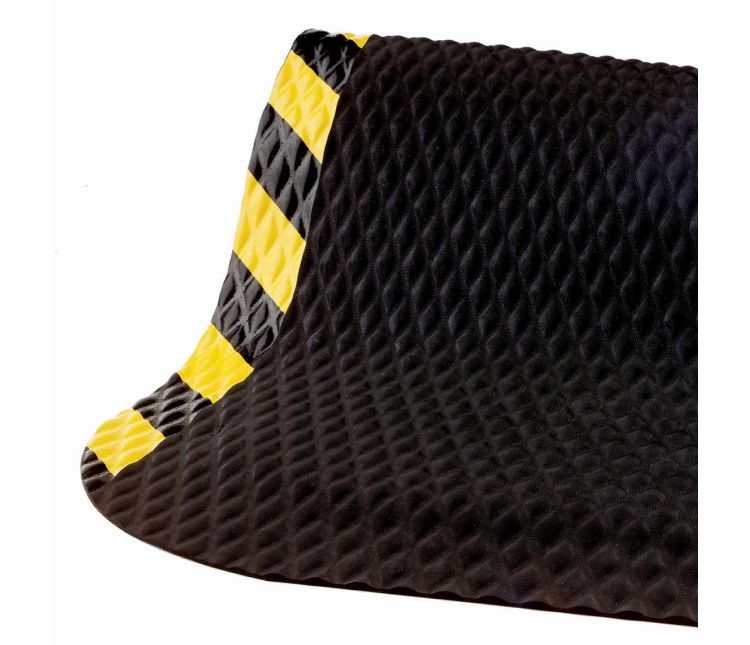
Choose workstation mats with enough cushioning for comfort, but also enough stability for safe movement. The surface should provide grip, and the edges should sit flat to avoid creating a trip hazard. In busy environments, heavy-duty anti-fatigue mats are usually more suitable than lightweight comfort mats.
Dry vs Wet Workstations
Mainly dry packing areas usually suit solid anti-fatigue mats. Wet, oily or debris-prone workstations may need drainage or open-grid mats that allow liquid and dirt to pass through the surface.
Runner Mats for Walkways and Picking Routes

Warehouse workers often travel the same routes many times a day. These may include picking aisles, walkways between racking, routes to dispatch, paths between stock zones and pedestrian routes near loading areas. Runner mats can help protect these routes and improve traction where needed.
Runner mats are especially useful where a longer length of matting is needed. They can provide continuous coverage rather than forcing a business to place several small mats in a row.
Why Runners Work Well in Warehouses
Runners provide coverage along the natural walking route. This makes them useful for protecting areas that receive repeated foot traffic. They can also help visually define pedestrian routes in certain warehouse zones.
Rubber Roll Mats for Durability
Rubber and PVC roll mats are practical for warehouses because they can often be supplied in longer lengths and cut to fit the space. This makes them useful for walkways, ramps, production routes and areas where a standard-size mat is too small.
Anti-Fatigue Runners
Where staff walk and stand along the same route, anti-fatigue runners can provide both traction and comfort. This is useful in assembly lines, picking zones and long workbenches.
Non-Slip Mats for Wet, Oily or Hazardous Areas

Some warehouse areas need matting mainly for grip. This may include wet entrances, loading bays, ramps, machine areas, maintenance zones, cleaning stations or spaces where oil, water or debris may be present.
Non-slip mats are designed to provide better traction than the bare floor. Some have textured surfaces, raised patterns or open-grid designs to allow liquid and debris to pass through. The correct choice depends on whether the area is dry, wet, oily or exposed to falling debris.
Wet Areas
In wet areas, drainage can be important. Mats with open grids or holes allow water to pass through rather than sitting on the surface. This helps keep the standing surface more usable.
Oily or Greasy Areas
Where oil or grease is present, material choice matters. Nitrile rubber is commonly used in mats designed for oily or chemical-prone environments because it offers stronger resistance than some basic rubber or PVC alternatives.
Ramps and Inclines
Ramps and sloped walkways require extra care because slipping can be more likely where the floor angle changes. Choose a mat with strong grip and make sure it is correctly positioned and maintained.
Dust Control Mats for Cleaner Warehouse Zones

Dust is a common warehouse problem. It can come from packaging, pallets, cardboard, stock movement, outdoor dirt, forklifts and general foot traffic. Once dust spreads, it can move into offices, clean packing areas, staff spaces and product storage zones.
Dust control mats are designed to capture fine particles from shoes and wheels before they travel further into the building. In warehouses, they are especially useful at transition points between dusty and cleaner zones.
Transition Points
Place dust control mats where staff move from warehouse areas into offices, clean rooms, packing zones or other controlled spaces. This helps reduce the amount of fine dirt and dust carried from one area to another.
Tacky Mats for Fine Dust
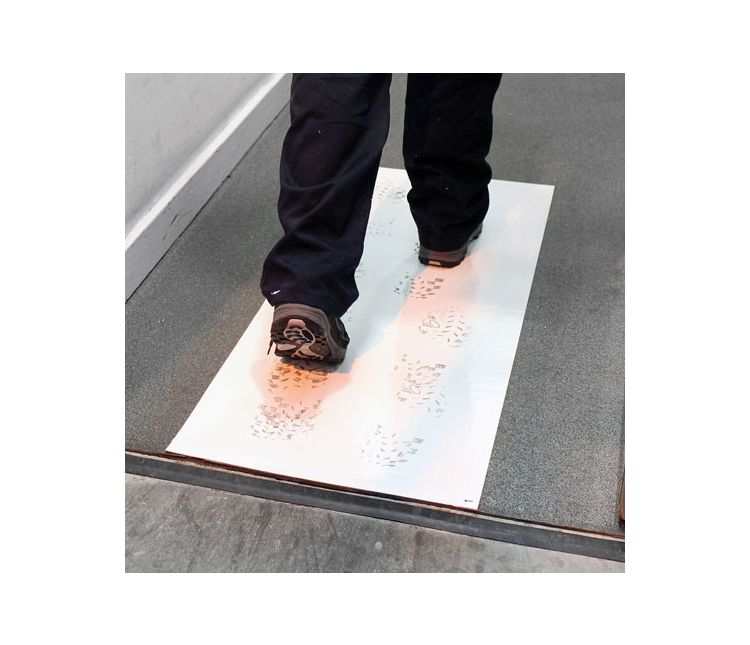
Tacky mats use adhesive sheets to capture fine dust and particles from footwear and wheeled traffic. Once the top sheet becomes soiled, it can be peeled away to reveal a clean layer underneath.
Cleaner Packing and Inspection Areas
Where products need to be packed, inspected or handled cleanly, dust control matting can support the wider housekeeping routine by reducing what is transferred into the area.
Entrance and Forklift Mats for Dirt Control

Forklifts and pallet trucks can bring in a surprising amount of dirt and moisture, especially when moving between outdoor yards, loading bays and internal warehouse floors. Tyres collect grit, water, dust and debris, which can then spread across the warehouse.
Heavy-duty entrance mats and scraper mats help reduce the amount of debris entering through high-traffic access points. This is particularly useful near loading doors, roller shutters, dispatch zones and external entrances.
Why Entrance Matting Matters in Warehouses
Once moisture and grit enter a warehouse, they can be carried across large floor areas by wheels and footwear. Entrance matting helps contain this problem near the access point, making it easier to manage through routine cleaning.
Bi-Level Mats for Dirt and Water
Bi-level mats are useful because they scrape dirt from wheels and footwear while allowing moisture and debris to fall below the main walking surface. This helps reduce re-tracking and keeps surrounding floors cleaner.
Scraper Mats for Heavy Debris
Scraper-style mats are useful where mud, grit and larger debris need to be removed from footwear or wheels. These mats can be placed at entrances, loading areas or transition points where outdoor dirt is most likely to enter.
Floor Protection in High-Traffic Warehouse Areas

Warehouse flooring can experience wear from foot traffic, wheels, pallets, tools, stock movement and cleaning equipment. In selected areas, matting can help protect the floor and reduce damage caused by repeated use.
Floor protection mats are particularly useful in areas where people stand, move stock, operate equipment or work around benches. They can protect the surface below while improving comfort and traction above.
Protecting Concrete Floors
Concrete is strong, but it can still become worn, stained or damaged over time. Matting can protect specific high-use areas and help reduce direct contact between the floor and daily activity.
Protecting Painted or Coated Floors
Painted or coated warehouse floors may show scuffs and wear more easily in busy areas. Mats can help protect zones where foot traffic, wheels or workstations create repeated contact.
Reducing Noise
Rubber and PVC matting can help reduce some floor noise by softening contact between footwear, tools, equipment and hard surfaces. In busy warehouses, this can contribute to a more comfortable working environment.
How to Choose the Right Mats for Warehouses

Choosing the right warehouse mats starts with identifying the problem. Different mats solve different issues, so the best option depends on whether you need comfort, grip, dirt control, dust control, drainage, floor protection or a combination of these.
Start with the Area
Look at where the mat will be used. Is it an entrance, walkway, packing station, machine zone, clean area or loading bay? The environment will guide the type of mat needed.
Consider Foot and Wheel Traffic
Warehouse mats may need to cope with people, trolleys, pallet trucks, forklifts, delivery cages and other wheeled traffic. Higher traffic levels usually require more durable matting.
Check for Wet, Oily or Dry Conditions
Dry areas can use solid anti-fatigue mats. Wet areas may need drainage. Oily areas may need nitrile rubber or another material suited to grease and chemicals.
Think About Cleaning
Mats should be easy to maintain. Roll mats may need to be lifted or rolled back for cleaning. Tacky mats require sheet replacement. Entrance mats need vacuuming or extraction cleaning. The best mat is one your team can realistically keep clean.
Choose the Right Size
A mat that is too small will not protect the right area. At entrances, people and wheels need enough contact with the mat for dirt and moisture to be removed. At workstations, the mat should cover the standing and movement zone properly.
Check Edge Safety
Edges matter in busy warehouses. Bevelled edges, ramped borders or modular edging can help reduce trip risks and make the mat easier to cross with foot or wheeled traffic.
Recommended Mats for Warehouses
The following Mats4U products are strong options for different warehouse areas. Each product has a specific role, from entrance dirt control and standing comfort to dust capture, modular workstation coverage and long walkway protection.


For more options, the full Warehouse Mats collection includes entrance mats, anti-fatigue mats, roll mats, drainage mats, dust control mats and other practical matting solutions for industrial and commercial environments.
How to Maintain Warehouse Mats

Warehouse mats need regular maintenance to remain effective. A mat that is full of dirt, saturated with moisture or damaged at the edges will not perform as well as a clean, well-positioned mat.
Vacuum or Sweep Regularly
Entrance mats, dust control mats and textile surfaces should be vacuumed or swept to remove loose dirt. In busy warehouse entrances, this may need to be done daily.
Remove Debris from Open-Grid Mats
Open-grid mats are designed to let liquid and debris pass through, but the area beneath the mat still needs to be cleaned. Lift, roll or move the mat as required so dirt does not build up underneath.
Clean Wet and Oily Areas More Often
Mats used in wet, oily or greasy environments need more frequent cleaning. Follow the product-specific guidance and use appropriate cleaning methods for the material.
Replace Tacky Mat Sheets When Soiled
Tacky mats should be maintained by removing the top sheet once it is saturated with dirt. This reveals a clean layer and keeps the mat working effectively.
Inspect Edges and Borders
Check mats for curling, lifting, cracking or worn edges. Damaged mats can become less effective and may create avoidable hazards in busy warehouse spaces.
Review Mat Placement
If dirt, moisture or fatigue issues continue, the mat may be too small or positioned incorrectly. Review the walking route, workstation layout or entrance traffic pattern and adjust the matting plan if needed.
Frequently Asked Questions About Mats for Warehouses
Q1: What are the best mats for warehouses?
A1: The best mats for warehouses depend on the area. Anti-fatigue mats are best for standing workstations, runner mats are useful for walkways, non-slip mats suit wet or hazardous zones, tacky mats help with dust control, and heavy-duty entrance mats help stop dirt and moisture at access points.
Q2: Why are anti-fatigue mats useful in warehouses?
A2: Anti-fatigue mats help provide a more cushioned standing surface for workers who spend long periods at packing benches, assembly stations, inspection points or production lines. This can improve comfort compared with standing directly on concrete.
Q3: What mats should I use at warehouse entrances?
A3: Heavy-duty entrance mats such as Waterhog Classic Heavy Duty Entrance Matting are useful at warehouse entrances because they trap dirt and moisture before it spreads further inside.
Q4: What mats are best for warehouse walkways?
A4: Roll mats or runner mats are usually best for warehouse walkways because they provide longer continuous coverage. Vynagrip Non Slip Roll Mats are a practical option for walkways, ramps and areas where extra grip is needed.
Q5: What mats should I use in wet warehouse areas?
A5: Wet warehouse areas usually need non-slip drainage mats or open-grid mats that allow liquids to pass through the surface. This helps reduce standing water on the top surface and improves traction.
Q6: Are tacky mats useful in warehouses?
A6: Yes. Tacky mats are useful at transition points into clean packing areas, dust-sensitive rooms, controlled zones or office spaces because they capture fine dust and particles from footwear and wheels.
Q7: Can warehouse mats help protect floors?
A7: Yes. Mats can help protect high-use areas from dirt, moisture, scuffs and repeated wear. They are especially useful at entrances, workstations, walkways and areas where people stand or move stock regularly.
Q8: What mat is best for warehouse packing stations?
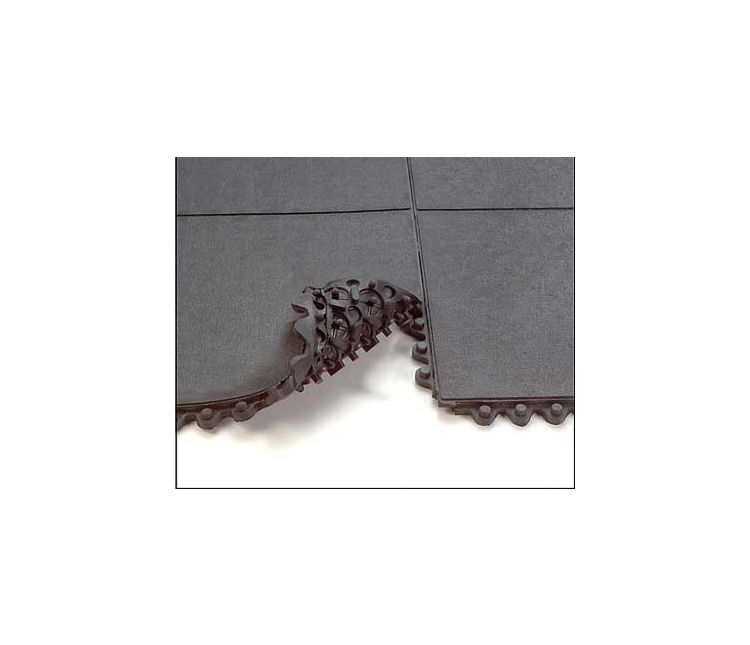
A8: Anti-fatigue mats such as Hog Heaven Heavy Duty Anti Fatigue Mats or 24/Seven Solid Anti Fatigue Mat Tiles & Edges are strong options for packing stations where staff stand for extended periods.
Q9: How often should warehouse mats be cleaned?
A9: Cleaning frequency depends on the area. Busy entrances and dirty work zones may need daily cleaning, while lower-use areas may need less frequent maintenance. Mats should be cleaned whenever dirt, moisture or debris begins to reduce performance.
Q10: Where can I buy mats for warehouses?
A10: Mats4U offers a Warehouse Mats collection with products for entrances, workstations, walkways, dust control, wet areas, floor protection and other warehouse environments.


