



In demanding commercial and industrial environments across the UK, ensuring the safety of personnel and the longevity of infrastructure is paramount. Rubber matting rolls offer a versatile, durable, and cost-effective solution to a myriad of workplace challenges, from enhancing anti-slip properties to providing crucial anti-fatigue support. This comprehensive guide delves into the world of rubber matting rolls, exploring their diverse applications, the various types available, and essential considerations for selection, installation, and maintenance. Whether you're safeguarding a busy warehouse, optimising a production line, or improving comfort in a retail space, understanding the full potential of rubber matting rolls is key to creating a safer, more efficient, and compliant environment.
As businesses continually seek ways to improve operational efficiency and comply with health and safety regulations, the role of appropriate floor coverings becomes increasingly significant. Rubber matting, particularly in roll form, provides a flexible answer to these needs, adapting to large areas and irregular spaces with ease. Its inherent properties – resilience, resistance to various chemicals, and excellent grip – make it an indispensable asset in sectors ranging from manufacturing and automotive to hospitality and sports facilities.
Table of Contents
- Why Choose Rubber Matting Rolls? Understanding the Core Benefits
- Exploring the Diverse Types of Rubber Matting Rolls
- Key Applications: Where Rubber Matting Rolls Excel
- Selecting the Right Rubber Matting Roll for Your Needs
- Installation and Customisation: Practical Guidance
- Maintenance and Longevity: Keeping Your Matting in Top Condition
- Product Spotlight: Penny Rubber Roll Matting
- Frequently Asked Questions About Rubber Matting Rolls
Why Choose Rubber Matting Rolls? Understanding the Core Benefits
Rubber matting rolls are not merely floor coverings; they are strategic investments in workplace safety, employee well-being, and operational efficiency. Their widespread adoption across various industries stems from a unique combination of beneficial properties that address common workplace hazards and discomforts.
Enhanced Safety and Slip Resistance
One of the primary reasons businesses opt for rubber matting is its superior slip resistance. Many industrial and commercial environments present risks of slips, trips, and falls due to spills, wet conditions, or smooth floor surfaces. Rubber's natural grip, often enhanced with specific surface patterns like ribbed, studded, or chequer plate designs, significantly increases traction. This is crucial in areas prone to moisture, oils, grease, or fine particulate matter, helping to prevent accidents and meet health and safety standards. The ability of rubber to maintain its grip even when wet or exposed to certain chemicals makes it an invaluable asset in high-risk zones.
Anti-Fatigue Properties for Employee Comfort
For employees who spend extended periods standing, the cumulative effects of fatigue can lead to discomfort, reduced productivity, and long-term health issues. Rubber matting rolls, particularly those designed with specific anti-fatigue properties, provide a cushioned barrier between personnel and hard floor surfaces. The slight give and elasticity of rubber encourage subtle muscle movements, improving blood circulation and reducing pressure on joints and the spine. This can translate directly into fewer sick days, higher morale, and sustained productivity throughout shifts.
Protection for Floors and Equipment
Beyond protecting personnel, rubber matting rolls also serve as a protective layer for underlying floor surfaces and expensive equipment. Heavy machinery, dropped tools, or constant foot traffic can quickly degrade concrete or tiled floors. A robust rubber mat acts as a shock absorber, mitigating impacts and preventing wear and tear. Similarly, sensitive equipment or items placed on a rubber mat are less likely to be damaged from vibrations or accidental drops, offering a dual benefit of protection for both the facility and its assets.
Sound Absorption and Vibration Dampening
In environments with significant noise levels, such as manufacturing plants or gymnasiums, sound absorption is a valuable attribute. Rubber matting can help to dampen ambient noise and reduce vibrations from machinery, contributing to a quieter and more comfortable working environment. This can be particularly beneficial in enclosed spaces where sound reverberation can be a major issue, improving communication and overall workplace acoustics.
Chemical, Oil, and Water Resistance
Different types of rubber matting rolls are formulated to resist a range of substances. For instance, Nitrile rubber is highly resistant to oils and grease, making it ideal for automotive workshops or industrial kitchens. EPDM rubber offers excellent resistance to weathering, ozone, and many chemicals, making it suitable for outdoor applications or areas exposed to harsh cleaning agents. This specific resistance ensures the matting maintains its integrity and protective qualities even in challenging conditions, extending its lifespan and effectiveness.
Ease of Installation and Versatility
Rubber matting rolls offer exceptional versatility in terms of installation. They can be cut to fit specific dimensions, laid over large areas, or used to create customised pathways and zones. Their heavy-duty nature often means they lay flat under their own weight, reducing the need for extensive adhesives, though bonding options are available for permanent installations. This ease of customisation makes them adaptable to virtually any space, from entire factory floors to individual workstations.
For a more in-depth look at specific applications and usage tips, consider reading our original article on how to use rubber matting rolls.
Exploring the Diverse Types of Rubber Matting Rolls
The world of rubber matting rolls is expansive, with various compositions and surface patterns designed for specific purposes. Understanding these differences is crucial for selecting the most appropriate solution for your unique requirements.
Natural Rubber (NR)
Derived from the latex of rubber trees, natural rubber is known for its excellent tensile strength, abrasion resistance, and high elasticity. It offers good tear resistance and dynamic fatigue resistance, making it suitable for general-purpose applications where resilience and cushioning are important. However, natural rubber has limited resistance to oils, greases, and strong chemicals, and can degrade when exposed to ozone or UV light for extended periods. It's often chosen for anti-fatigue mats, general walkways, and impact absorption in dry, indoor environments.
Styrene-Butadiene Rubber (SBR)
SBR is a synthetic rubber that is a cost-effective alternative to natural rubber, often used where the demanding physical properties of natural rubber are not strictly required. It boasts good abrasion resistance, impact strength, and heat ageing properties. SBR is commonly used for general-purpose industrial applications, anti-slip flooring, and protective matting. Like natural rubber, its resistance to oils, fuels, and solvents is limited. It's a popular choice for high-traffic areas due to its durability and economic viability.
Nitrile Rubber (NBR)
Nitrile rubber stands out for its exceptional resistance to oils, greases, fuels, and various chemicals. This makes it indispensable in environments such as automotive workshops, industrial kitchens, food processing plants, and manufacturing facilities where exposure to such substances is common. While it may not offer the same level of elasticity as natural rubber, its chemical resistance properties far outweigh this in specific applications. Nitrile rubber also offers good abrasion resistance and can withstand a wide range of temperatures.
Ethylene Propylene Diene Monomer (EPDM)
EPDM rubber is a synthetic elastomer renowned for its excellent resistance to weathering, ozone, UV radiation, and extreme temperatures (both hot and cold). These properties make it an ideal choice for outdoor applications or environments exposed to harsh environmental conditions. EPDM also exhibits good resistance to steam, water, and some chemicals, though it has poor resistance to oils and fuels. Common uses include outdoor playgrounds, roofing membranes, and seals in industrial settings where environmental exposure is a key factor.
PVC (Polyvinyl Chloride) Matting
While technically a plastic rather than a pure rubber, PVC matting rolls are often grouped with rubber options due to their similar functionalities as floor coverings. PVC offers good resistance to many chemicals, oils, and greases, and is available in a variety of colours and patterns. It can be more cost-effective than some rubber types and is often used for general purpose anti-slip matting, aesthetic floor protection, and as a barrier in wet areas. However, its elasticity and anti-fatigue properties are generally inferior to true rubber compounds.
Surface Patterns and Textures
Beyond the material composition, the surface pattern of a rubber matting roll significantly influences its functionality:
- Ribbed: Offers excellent anti-slip properties, particularly in areas with foot traffic and light wheeled traffic. The ribs channel liquids and dirt away, enhancing grip.
- Studded/Coin: Features raised circular studs that provide omnidirectional slip resistance and cushioning. Easy to clean and highly durable, making them suitable for high-traffic public areas.
- Chequer Plate: Mimics the industrial chequer plate metal pattern, providing robust slip resistance and a tough, industrial aesthetic. Ideal for workshops and factories.
- Pyramid/Diamond Tread: Offers aggressive traction, suitable for heavy-duty industrial use where maximum grip is required.
- Plain/Smooth: Used primarily for insulation, anti-vibration, or as an underlay where slip resistance is not the primary concern.
Each type and pattern of rubber matting roll is engineered to meet specific industrial, commercial, or residential needs, ensuring that there is a tailor-made solution for almost any challenge.
Key Applications: Where Rubber Matting Rolls Excel
The versatility of rubber matting rolls means they find application across a vast array of industries and environments. Their ability to address multiple challenges simultaneously — from safety and comfort to hygiene and protection — makes them an invaluable asset.
Industrial and Manufacturing Facilities
In factories, workshops, and production lines, rubber matting rolls are critical. They provide anti-fatigue support for workers standing for long hours, reducing the risk of musculoskeletal disorders. Their anti-slip properties are vital in areas prone to oil, grease, or chemical spills, preventing slips and falls. Furthermore, they protect expensive concrete floors from impact damage caused by dropped tools, machinery vibrations, or heavy trolley traffic. Specific applications include assembly lines, welding bays, packaging areas, and machinery surrounds.
Automotive Workshops and Garages
Nitrile rubber matting is particularly well-suited for automotive environments due to its exceptional resistance to oils, fuels, and lubricants. It provides a safe, non-slip surface for mechanics, protecting them from hazardous spills. It also protects the concrete floor from staining and damage from chemicals and heavy vehicle parts, while offering comfort for technicians working on their feet.
Gymnasiums and Sports Facilities
Rubber matting rolls are ideal for weightlifting areas, cardio zones, and changing rooms in gyms. They absorb impact from dropped weights, protecting both the floor and the equipment. Their anti-slip surface ensures stability during workouts, and their sound-dampening qualities help create a more pleasant acoustic environment. EPDM rubber is often chosen for outdoor sports surfaces due to its weather resistance.
Commercial Kitchens and Food Processing
In food service and processing industries, hygiene and safety are paramount. Rubber matting with drainage holes can prevent standing water and provide grip in wet, greasy environments, reducing slip hazards. Nitrile-based compounds are preferred for their resistance to animal fats, oils, and common cleaning chemicals. They also offer anti-fatigue benefits for kitchen staff.
Retail and Hospitality
Behind counters, in service areas, and even in certain public zones, anti-fatigue rubber matting can significantly improve employee comfort and reduce fatigue. This leads to better customer service and higher staff retention. Entrance matting made from durable rubber compounds also helps to trap dirt and moisture, keeping public areas cleaner and safer.
Warehouses and Logistics Centres
High-traffic aisles, loading docks, and packing stations in warehouses benefit greatly from rubber matting. It provides a durable, anti-slip surface for workers and forklift operators, reducing the risk of accidents. It also helps to absorb vibrations from heavy machinery and protect floors from wear and tear in these demanding environments.
Laboratories and Healthcare Settings
In laboratories, cleanrooms, and certain healthcare areas, rubber matting can offer anti-fatigue support and, depending on the specific rubber type, resistance to certain chemicals and easy cleanability. ESD (Electrostatic Dissipative) rubber mats are crucial in environments with sensitive electronics to prevent static discharge.
Selecting the Right Rubber Matting Roll for Your Needs
Choosing the correct rubber matting roll involves a careful assessment of your specific environment, potential hazards, and desired outcomes. A methodical approach ensures you invest in a solution that provides optimal performance and longevity.
Assess Your Environment and Risks
- Traffic Level: Is the area subject to light foot traffic, heavy foot traffic, or wheeled traffic (trolleys, forklifts)? This dictates the required durability and thickness.
- Presence of Liquids/Chemicals: Are oils, greases, water, or specific chemicals present? This determines the necessary chemical resistance (e.g., Nitrile for oils, EPDM for outdoor weather).
- Temperature Extremes: Will the matting be exposed to high heat, freezing temperatures, or rapid temperature changes?
- Standing Time: Do employees stand for long periods? Anti-fatigue properties will be a key consideration.
- Slip Hazards: What specific slip hazards exist (e.g., wet floors, greasy floors, dusty floors)? This will inform the choice of surface pattern.
- Other Requirements: Do you need ESD protection, sound absorption, or specific aesthetic properties?
Consider Material Composition
Based on your environmental assessment, you can narrow down the material options:
- Natural Rubber/SBR: Good for general purpose, anti-fatigue, and impact absorption in dry, less aggressive environments.
- Nitrile Rubber: Essential for areas with oils, greases, and many chemicals.
- EPDM: Ideal for outdoor use, extreme temperatures, and ozone resistance.
- PVC: Cost-effective for general anti-slip and floor protection where extreme durability or anti-fatigue is not paramount.
Evaluate Surface Pattern and Thickness
The surface pattern directly impacts slip resistance and drainage. Ribbed, studded, and chequer plate patterns are excellent for grip, with specific designs better suited for certain types of contamination. Thickness impacts comfort, durability, and insulation properties. Thicker mats generally offer more cushioning and a longer lifespan but come at a higher cost.
Determine Roll Dimensions and Customisation Needs
Rubber matting rolls come in various widths and lengths. Measure the area accurately to minimise waste and seams. Consider whether you need custom cuts, edge ramps, or interlocking options for larger areas. Mats4U offers options like the Penny Rubber Roll Matting which can be cut to length to perfectly suit your requirements.
Budget and Longevity
While initial cost is a factor, consider the long-term value. A more expensive matting type with superior resistance to environmental factors might offer a significantly longer lifespan and better performance, resulting in lower replacement costs and fewer safety incidents over time. Invest in quality that aligns with the demands of your environment.
By systematically addressing these factors, you can make an informed decision and select a rubber matting roll that effectively enhances safety, comfort, and efficiency in your workplace.
Installation and Customisation: Practical Guidance
Proper installation and effective customisation are key to maximising the benefits and longevity of your rubber matting rolls. While rolls offer inherent flexibility, a few considerations will ensure a seamless and professional finish.
Preparing the Surface
Before laying any rubber matting, ensure the underlying floor is clean, dry, and free of debris. Any particles or moisture trapped underneath can compromise adhesion (if used) or lead to uneven surfaces and accelerated wear. For optimal performance, the floor should be as level as possible.
Laying the Rolls
For most applications, particularly in large areas, rubber matting rolls are simply unrolled and allowed to settle. Their inherent weight often helps them lie flat without the need for adhesive. It's advisable to unroll the matting a day or two before final installation, allowing it to relax and acclimatise to the room's temperature, which helps prevent curling. When laying multiple rolls, ensure they are tightly butted together to minimise gaps, which can become trip hazards or collect dirt.
Cutting and Shaping
One of the significant advantages of rubber matting rolls is their ease of customisation. They can be cut to fit around obstacles, columns, or to create specific shapes using a sharp utility knife or heavy-duty shears. Always use a straight edge and measure twice before cutting. For complex shapes, creating a template from cardboard can ensure accuracy. It's important to use appropriate safety gloves and eye protection when cutting.
Adhesion Options (When Required)
While often not strictly necessary due to the weight of the matting, adhesion might be preferred for:
- Permanent Installations: For very high-traffic areas or where movement is absolutely undesirable.
- Preventing Curling: If edges show a tendency to curl up, a small amount of adhesive can secure them.
- Specific Safety Requirements: In some environments, a fully bonded matting solution might be mandated.
If using adhesive, select a type compatible with both your subfloor and the rubber material of the matting. Follow the adhesive manufacturer's instructions carefully for application, ventilation, and curing times.
Edge Finishing and Ramps
Exposed edges of matting can become trip hazards, especially in high-traffic areas. Consider using:
- Tapered Edges: Many anti-fatigue mats come with integrated or attachable tapered edges that create a smooth transition from the floor to the mat.
- Edge Ramps: Separate rubber or PVC ramps can be applied to the perimeter of the matting, providing a gentle slope that eliminates trip hazards and allows wheeled traffic to roll on and off easily.
Proper edge finishing not only enhances safety but also gives a more professional and finished appearance to the installation.
Maintenance and Longevity: Keeping Your Matting in Top Condition
Regular and appropriate maintenance is crucial for extending the lifespan of your rubber matting rolls and ensuring they continue to provide their intended safety and performance benefits. A well-maintained mat is a cost-effective investment.
Daily Cleaning Routines
For most rubber matting, a simple daily cleaning routine is sufficient:
- Sweeping/Vacuuming: Remove loose dirt, dust, and debris using a broom or industrial vacuum cleaner. This prevents abrasive particles from being ground into the mat's surface, which can accelerate wear.
- Wiping Spills: Promptly wipe up any spills, especially oils, greases, or chemicals. Allowing them to sit can lead to staining, material degradation, or reduced slip resistance. Use an absorbent cloth.
Deep Cleaning and Degreasing
Periodically, depending on traffic and contamination levels, a more thorough cleaning will be necessary:
- Hosing Down: Many rubber mats can be hosed down with water, either in place or by removing them for cleaning. This is particularly effective for outdoor mats or those in very wet environments.
- Mild Detergent Solution: For tougher dirt or greasy residues, use a mild, pH-neutral detergent mixed with warm water. Apply with a brush or mop, focusing on textured surfaces where dirt can accumulate.
- Rinsing: Thoroughly rinse the matting to remove all soap residue, as leftover detergent can make the surface slippery or attract more dirt.
- Drying: Allow the matting to air dry completely before returning it to service, especially if it's an anti-fatigue mat that could trap moisture underneath. Ensure proper ventilation.
Specific Considerations for Different Rubber Types
- Oil-Resistant Matting (Nitrile): While highly resistant, regular cleaning of oils and greases will prevent build-up and maintain optimal grip. Avoid harsh, solvent-based cleaners unless specified by the manufacturer, as even resistant materials can be affected over time.
- Outdoor Matting (EPDM): These mats are designed to withstand weather, but regular removal of leaves, dirt, and standing water will prevent mould or mildew growth and maintain drainage features.
- Textured Surfaces: Mats with ribbed, studded, or chequer plate patterns may require more vigorous brushing to dislodge dirt trapped in the recesses.
Avoiding Damaging Practices
- Harsh Chemicals: Avoid using strong acids, alkalis, or petroleum-based solvents unless specifically recommended for your matting type. These can degrade the rubber, causing it to crack, become brittle, or lose its protective properties.
- Abrasive Tools: While stiff brushes are fine, avoid steel wool or highly abrasive pads that can scratch or damage the mat's surface.
- Excessive Heat: Do not expose rubber matting to direct, intense heat sources unless it is specifically designed for such conditions.
- Sharp Objects: Prevent sharp objects from puncturing or cutting the matting. While rubber is resilient, deep cuts can compromise its integrity.
By implementing a consistent maintenance schedule and using appropriate cleaning methods, your rubber matting rolls will continue to perform effectively, ensuring a safe and productive environment for many years.
Product Spotlight: Penny Rubber Roll Matting
Among the wide range of durable and effective solutions, the Penny Rubber Roll Matting stands out as a versatile and reliable choice for various applications where a robust, anti-slip, and protective surface is needed.
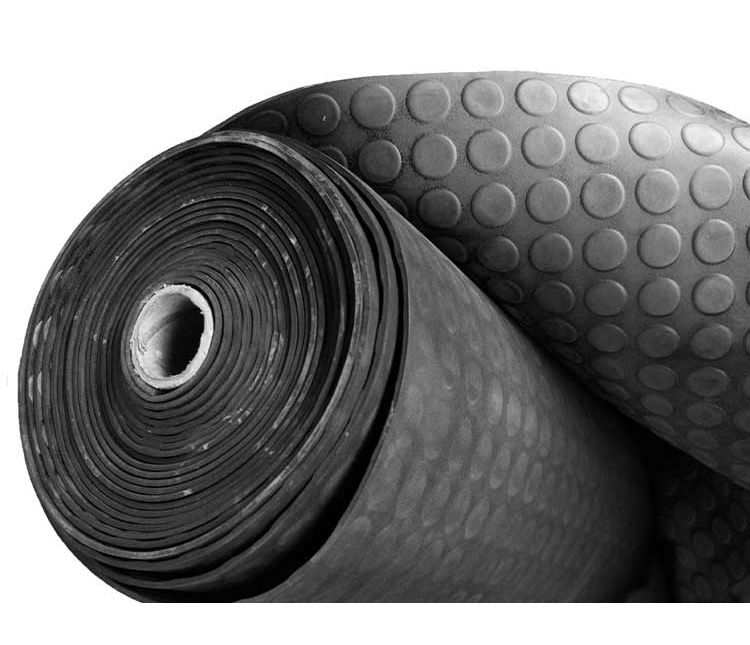
Penny Rubber Roll Matting
The Penny Rubber Roll Matting offers a distinctive circular 'penny' or 'coin' stud pattern, providing excellent omnidirectional slip resistance. Manufactured from durable SBR rubber, this matting is engineered to withstand heavy foot traffic and light wheeled traffic, making it an ideal solution for walkways, workstations, production areas, and retail environments.
Its robust construction not only enhances safety by reducing slip hazards but also provides a protective layer for underlying floors, absorbing impact and reducing wear and tear. The SBR composition ensures good resistance to abrasion and general industrial wear, making it a cost-effective choice for long-term use.
Available in a practical roll format, the Penny Rubber Roll Matting can be easily cut to size, allowing for seamless customisation to fit specific areas or complex layouts. This flexibility ensures minimal waste and a perfect fit for any space, from expansive factory floors to individual workstations.
Key Features:
- Omnidirectional Slip Resistance: Raised 'penny' studs provide grip in all directions.
- Durable SBR Rubber: Built to withstand heavy use and resist abrasion.
- Floor Protection: Shields underlying surfaces from impact and wear.
- Easy Customisation: Supplied in rolls, simple to cut to your exact requirements.
- Versatile Application: Suitable for a wide range of commercial and industrial settings.
Price: £170.00
View ProductFrequently Asked Questions About Rubber Matting Rolls
Q1: What are the primary benefits of using rubber matting rolls in an industrial setting?
A1: Rubber matting rolls offer multiple benefits in industrial settings, including enhanced slip resistance to prevent accidents, anti-fatigue properties for improved employee comfort and productivity, protection for underlying floors and equipment from impact and wear, and sound absorption to reduce noise levels. Specific rubber types also offer resistance to oils, chemicals, and extreme temperatures, making them highly versatile.
Q2: How do I choose the correct type of rubber matting roll for my specific needs?
A2: Selecting the right matting involves assessing your environment. Consider the type of traffic (foot, wheeled), presence of liquids or chemicals, temperature conditions, and the need for anti-fatigue properties. For example, Nitrile rubber is best for oil/grease, EPDM for outdoor weather, and SBR for general-purpose durability. Also, factor in surface patterns for optimal grip and the required thickness for comfort and longevity.
Q3: Can rubber matting rolls be installed outdoors?
A3: Yes, certain types of rubber matting rolls are specifically designed for outdoor use. EPDM (Ethylene Propylene Diene Monomer) rubber is an excellent choice for outdoor applications due to its superior resistance to weathering, ozone, UV radiation, and extreme temperatures. Ensure you select a matting type that is clearly specified for outdoor conditions to ensure its durability and performance.
Q4: How do I clean and maintain rubber matting rolls to ensure their longevity?
A4: Regular maintenance is key. Daily, sweep or vacuum to remove loose debris and wipe up spills promptly. For deep cleaning, most rubber mats can be hosed down with water and a mild, pH-neutral detergent. Rinse thoroughly and allow to air dry completely. Avoid harsh chemicals, abrasive tools, or excessive heat, as these can degrade the rubber over time. Consistent cleaning helps maintain slip resistance and extends the mat's life.
Q5: Is rubber matting heavy-duty enough for forklift traffic?
A5: While rubber matting is highly durable, most standard rubber matting rolls are primarily designed for foot traffic and light wheeled traffic (e.g., trolleys). For areas with regular heavy forklift traffic, you would need to specify extremely heavy-duty industrial rubber matting or consider alternative heavy-duty floor protection solutions, as standard mats may wear down quickly or shift under the weight and turning forces of forklifts. Always check the manufacturer's specifications for suitability with heavy vehicle traffic.
Q6: Are rubber matting rolls environmentally friendly?
A6: The environmental friendliness of rubber matting rolls varies. Many are made from recycled rubber, which is a highly sustainable practice that repurposes materials that would otherwise go to landfill. Others, particularly synthetic rubbers, are manufactured using petroleum-based processes. Look for products explicitly stating recycled content or sustainable manufacturing practices if environmental impact is a primary concern. The longevity of a durable rubber mat also contributes to environmental benefits by reducing the frequency of replacement.
Q7: Can rubber matting rolls be used for sound dampening?
A7: Yes, rubber matting rolls can be very effective for sound dampening and vibration reduction. The dense, elastic nature of rubber absorbs impact and helps to dissipate sound waves, reducing both airborne noise and structural vibrations. This makes them beneficial in environments such as gyms, workshops, and production areas where noise levels from machinery or foot traffic can be a concern, contributing to a quieter and more comfortable atmosphere.
For more insights and expert advice on choosing the right matting solutions for your business, connect with us:


