



Caravans and mobile homes are made for comfort, freedom and time away, but keeping the floors clean can quickly become a challenge. Whether you are staying by the coast, parked near countryside paths, travelling with children, or bringing the dog along for the trip, dirt and moisture can easily make their way inside. Mud, sand, grit, wet shoes and damp paws can all turn a clean caravan floor into something that needs constant attention.
UK weather does not always make things easy either. A dry morning can quickly turn into a rainy afternoon, and even a sunny beach day can leave you carrying sand back into the caravan. Because caravans and mobile homes usually have limited floor space, a small amount of dirt can spread quickly from the entrance into the main living area, kitchen space and sleeping areas.
The best way to protect your caravan or mobile home floors is to stop dirt and moisture before it travels inside. A simple, well-planned matting system can help scrape heavy dirt outside, trap moisture at the entrance, and remove finer dust, grit and sand before it reaches the rest of the space.
Table of Contents
- Why Caravan and Mobile Home Floors Need Protection
- Common Floor Problems in Caravans and Mobile Homes
- The 3-Mat System for Cleaner Caravan Floors
- Step 1: Use a Scraper Mat Outside the Entrance
- Step 2: Use a Dirt and Moisture Mat Inside the Entrance
- Step 3: Use a Finishing Mat Inside the Caravan
- What to Look for When Choosing Caravan Mats
- Recommended Mats for Caravans and Mobile Homes
- Keeping Floors Cleaner When Travelling with Pets
- Seasonal Matting Advice for Caravan Owners
- How to Maintain Mats in a Caravan or Mobile Home
- Frequently Asked Questions About Caravan and Mobile Home Mats
Why Caravan and Mobile Home Floors Need Protection

Caravan and mobile home floors have to deal with a lot in a small space. Unlike a larger house, where dirt may stay close to the entrance or be spread over a bigger floor area, a caravan has a much more compact layout. This means mud, sand and wet footprints can quickly move from the door into the main living area.
Many caravans and mobile homes also have mixed flooring, such as carpet near the entrance, vinyl or laminate in the kitchen area, and softer flooring in living or sleeping spaces. Each type of floor can be affected differently by dirt and moisture. Carpet can hold onto sand and grit, while smooth floors can become slippery when wet. Once dirt is walked further inside, cleaning becomes more frustrating because there is less space to move around and fewer places to contain the mess.
Small Spaces Show Dirt Quickly
In a caravan or mobile home, even a small amount of tracked-in dirt can look like a bigger problem. A few wet footprints or a handful of sand can spread across the walking route in minutes, especially when people are moving between the entrance, seating area, kitchen and bathroom.
Holiday Time Should Not Be Cleaning Time
Most people do not want to spend their break constantly sweeping, vacuuming or wiping floors. The right mats help reduce the amount of cleaning needed by trapping dirt closer to the entrance before it spreads through the caravan.
Flooring Can Be Costly to Replace
Caravan flooring is not something most owners want to repair or replace often. Grit, mud and moisture can make floors look tired, especially in high-traffic areas. Good matting helps protect the surfaces that get used every day.
Common Floor Problems in Caravans and Mobile Homes

Caravan and mobile home floors face a combination of outdoor dirt, weather exposure and regular foot traffic. The exact problems depend on where you are staying, how often the caravan is used, and who is using it.
Mud from Wet Weather
Rain is one of the most common reasons caravan floors become dirty. Mud and wet grass can stick to shoes and be walked straight into the caravan, especially when there is no effective mat outside the entrance.
Sand from Beach Holidays
Beach holidays are great, but sand has a way of getting everywhere. It clings to shoes, towels, bags, clothing and pet paws. Once inside, it can become trapped in carpets or spread across smooth floors.
Grit and Dust from Campsites
Caravan parks, gravel paths, pitches, decking areas and outdoor steps can all transfer grit and dust onto footwear. This can be abrasive, especially when walked repeatedly over flooring.
Wet Footprints on Smooth Floors
Vinyl, lino and laminate floors are practical in caravans because they are easier to wipe clean, but they can become slippery when wet. A good entrance mat helps reduce the amount of water reaching these surfaces.
Dirty Entrance Carpets
Some caravans have a small ribbed or carpeted area near the entrance. While this may catch some dirt, it can become dirty quickly and may be difficult to clean properly. A removable mat can be much easier to maintain.
The 3-Mat System for Cleaner Caravan Floors

The most effective approach is to use the right mat in the right place. One mat by itself can help, but a simple 3-mat system gives better protection because each mat has a different job.
The idea is straightforward. The first mat removes heavy mud and grit before people step inside. The second mat sits inside the entrance to trap remaining dirt and moisture. The third mat works as a final drying and finishing stage, removing finer dust, sand and moisture before it spreads into the main living area.
Why One Mat Is Often Not Enough
A single mat has to do a lot of work. If it sits outside, it may scrape dirt but will not fully dry shoes. If it sits inside, heavy mud may already have entered the caravan. If it is too small, people may step over it or only use part of it. Using more than one mat gives each stage a clearer purpose.
A Practical Setup for UK Holidays
For UK caravan use, the 3-mat system is especially useful because conditions can change quickly. You may deal with rain, sand, mud and dry dust all in the same trip. A layered approach helps prepare the entrance for all of these conditions.
Step 1: Use a Scraper Mat Outside the Entrance

The first mat should sit outside the caravan or mobile home entrance, where it can remove heavier dirt before footwear reaches the doorway. This is particularly useful if the entrance has steps, decking, a ramp or a direct route from grass, gravel or a muddy pitch.
A rubber scraper mat is a practical choice for this area because it can handle outdoor conditions better than many textile mats. A nylon-faced mat left outside may hold water and remain damp, which can lead to wet footprints being carried inside even when the rain has stopped. Rubber scraper mats are better suited to scraping mud, grit and heavier dirt from shoes before they enter the caravan.
Why Rubber Works Well Outside
Rubber mats are durable, easy to clean and suitable for outdoor entrances. They can be shaken, brushed, hosed down or pressure washed depending on the product. This makes them useful for campsites, decking areas, outdoor steps and caravan entrance points.
What the Outside Mat Should Do
The outside mat should scrape heavier dirt, mud, grit and grass from footwear. It should be stable, easy to clean and durable enough for regular outdoor use. It does not need to be decorative; its main job is to stop the worst dirt before it reaches the entrance.
Step 2: Use a Dirt and Moisture Mat Inside the Entrance

The second mat should sit just inside the caravan or mobile home entrance. This mat handles what the outside scraper mat misses. It should be able to wipe footwear, absorb moisture and trap dirt so that it is not walked further inside.
Bi-level entrance mats are especially useful here because they are designed to trap dirt and moisture below the walking surface. The raised surface helps scrape shoes, while the lower level holds dirt and water so it is less likely to be transferred further into the caravan.
Protecting Small Entrance Areas
Many caravans have a small entrance area that gets used constantly. This space often becomes dirty first because everyone steps there as they enter and leave. A good indoor entrance mat helps protect this high-use zone and makes cleaning easier.
Reducing Wet Footprints
An absorbent or bi-level mat inside the door can help reduce wet footprints on surrounding floors. This is particularly useful where the entrance leads directly onto vinyl, lino or laminate flooring.
Step 3: Use a Finishing Mat Inside the Caravan
The third mat is the final stage. This mat is used further inside the caravan or mobile home to remove finer dirt, dust, sand and remaining moisture. It is particularly useful after beach trips, walks, wet weather or days when people are moving in and out regularly.
A finishing mat should be soft enough to wipe footwear properly but practical enough to clean. Cotton, microfibre or absorbent textile mats can work well in this position because they help remove fine particles that heavier scraper mats may not fully catch.
Ideal for Sand and Fine Dust
Sand is one of the most frustrating things to clean from caravan floors. A finishing mat gives footwear one more chance to release sand before it spreads into the living space. The mat can then be shaken outside or cleaned more easily than the whole caravan floor.
Useful for Muddy Paws
If you travel with dogs, a soft absorbent mat can also help remove moisture and dirt from paws. This is especially useful near the entrance or just inside the main living area, where dogs naturally step in after walks.
What to Look for When Choosing Caravan Mats
Caravan mats need to be practical. Space is limited, so every mat should earn its place by doing a specific job. Before choosing, think about the entrance layout, the type of flooring, the usual weather conditions, and whether the mat will be used by children, pets or frequent visitors.
Correct Size
The mat should fit the space without blocking the door or creating a trip hazard. In a caravan, a mat that is too large can feel awkward, while a mat that is too small may not catch enough dirt. Measure the entrance and walking route before choosing.
Non-Slip Backing
Stability is important in a compact space. The mat should sit securely on the floor surface and should not slide around when people step on it. This is especially important on smooth flooring such as vinyl, lino and laminate.
Easy Cleaning
Holiday and campsite conditions can be messy, so mats should be easy to clean. Outdoor mats should be simple to shake, brush or hose down, while indoor mats should be easy to vacuum, wash or maintain.
Moisture Control
Rain, wet grass and damp shoes are common in the UK. Choose indoor mats that can absorb or hold moisture effectively so that water is not walked across the caravan floor.
Dirt and Sand Retention
A good mat should hold onto dirt and sand rather than simply moving it around. Bi-level and absorbent mats are especially useful because they trap debris within the mat structure.
Durability
Caravan mats may be used throughout the day, especially during busy holidays. Choose mats that can handle repeated use and regular cleaning without breaking down quickly.
Recommended Mats for Caravans and Mobile Homes
The following Mats4U options suit the main stages of a practical caravan and mobile home floor protection system. Each product has a different role, helping you manage heavy outdoor dirt, entrance moisture, sand, dust and everyday mess.


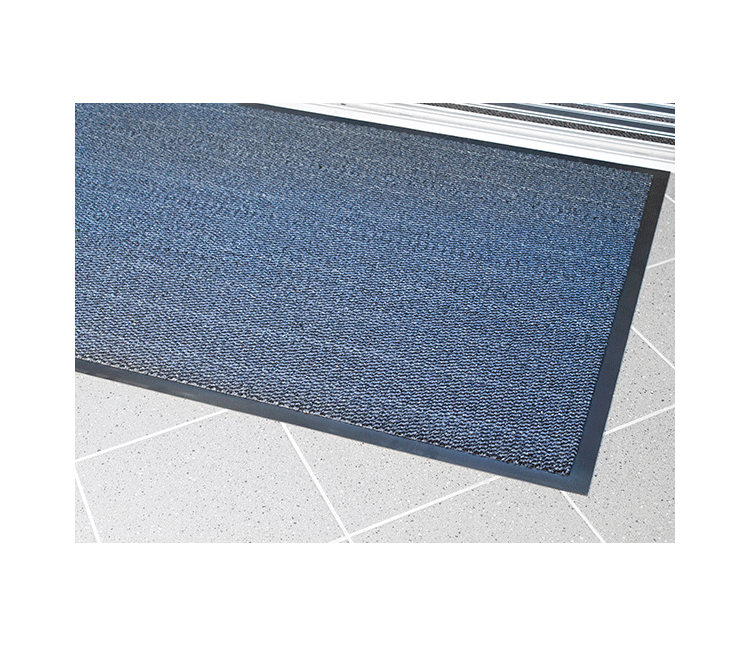
For the outdoor scraping stage, a durable rubber scraper mat such as Superscrape Non Slip Rubber Mats is a strong option. It is made from 100% nitrile rubber, has raised rubber nubs to scrape mud and dirt from footwear, and is suitable for outside entrances, wet areas and other demanding spaces.
Keeping Floors Cleaner When Travelling with Pets
Pets can make caravan holidays even better, but they also make floor protection more important. Dogs can bring in mud, grass, sand, water and fine dust on their paws, especially after walks, beach visits or wet weather.
Place a Mat Where Pets Naturally Enter
The best place for a pet-friendly mat is where your dog naturally steps into the caravan. This might be just inside the main door or near a seating area where paws can be wiped before they move further inside.
Use Absorbent Mats for Wet Paws
Absorbent mats help remove moisture from paws, especially after rain or walks through wet grass. A mat such as MicroLuxx can be useful inside the caravan because it helps manage moisture while remaining easy to maintain.
Shake Out Sand and Dry Dirt Regularly
Sand and dry dirt are easier to manage when they are trapped in a mat rather than spread across the floor. Shake or vacuum mats regularly during holidays, especially after beach days.
Keep a Cleaning Routine Simple
Caravan cleaning should be quick and practical. A simple setup with an outdoor scraper, indoor entrance mat and absorbent finishing mat can reduce the amount of dirt that reaches carpets, seating areas and sleeping spaces.
Seasonal Matting Advice for Caravan Owners
The best matting setup may change depending on the season. UK caravan use can involve everything from dry summer dust to wet autumn mud, so it is worth adjusting your mats to suit the conditions.
Spring
Spring can bring wet grass, muddy paths and changing weather. A scraper mat outside and an absorbent mat inside are particularly useful during this season because outdoor conditions may be damp even when it is not raining.
Summer
Summer often means beach trips, dust and dry grit. Sand control becomes more important, so a finishing mat inside the caravan can make a big difference. Shake mats outside regularly to stop sand building up.
Autumn
Autumn often brings wet leaves, mud and more moisture. This is when the 3-mat system becomes especially useful. Heavy dirt should be scraped outside, moisture should be trapped at the entrance, and finer dirt should be caught inside.
Winter
Winter caravan use may involve rain, grit, slush and colder conditions. Choose mats with strong moisture control and stable backing. Check mats more frequently to make sure they are not saturated or overloaded with dirt.
How to Maintain Mats in a Caravan or Mobile Home
Mats only work properly when they are maintained. In a small caravan or mobile home, dirt builds up quickly, so a regular cleaning routine will help keep mats effective and floors looking better.
Shake Outdoor Mats Frequently
Outdoor scraper mats collect the heaviest dirt, so they should be shaken, brushed or hosed down regularly. This stops mud, grit and grass from building up and being walked back inside.
Vacuum Indoor Mats
Indoor entrance and finishing mats should be vacuumed to remove dry dirt, dust and sand. During busy holidays, this may need to be done more often than at home because the space is smaller and dirt is more noticeable.
Dry Mats Properly
If a mat becomes wet, allow it to dry properly where possible. A saturated mat will not absorb moisture effectively and may start transferring water back onto the floor.
Clean According to Product Guidance
Different mats have different cleaning requirements. Some can be hosed down, some can be pressure washed, and others may be machine washable or suitable for regular vacuuming. Always follow the product guidance to avoid damaging the mat.
Check for Movement
In a caravan, mats should not slide or bunch up. Check that each mat stays flat and secure, especially on smooth vinyl, lino or laminate floors.
Replace Worn Mats
If a mat becomes flattened, cracked, curled or less effective, it may be time to replace it. A worn mat will not trap dirt or moisture as well and may become more of a nuisance than a help.
Frequently Asked Questions About Caravan and Mobile Home Mats
Q1: What is the best way to protect caravan floors?
A1: The best way to protect caravan floors is to use a layered matting system. Place a scraper mat outside the entrance, a dirt and moisture mat inside the entrance, and a finishing mat further inside to remove fine dirt, dust, sand and remaining moisture.
Q2: What type of mat should I use outside a caravan?
A2: A rubber scraper mat is usually the best choice outside a caravan because it can handle outdoor dirt, mud, grit and wet conditions. Rubber mats are also easy to clean by shaking, brushing or hosing down.
Q3: Why should I avoid using a nylon mat outside?
A3: Nylon-faced mats can hold moisture when left outside, which may lead to damp footprints being carried into the caravan. A rubber mat is usually more suitable for the outdoor scraping stage.
Q4: What mat should I use inside a caravan entrance?
A4: A bi-level entrance mat such as Waterhog Classic Heavy Duty Entrance Matting is a strong option because it helps scrape footwear and hold dirt and moisture below the walking surface.
Q5: What mat is best for sand after beach trips?
A5: An absorbent finishing mat such as MicroLuxx Absorbent Mats can help capture fine dirt, sand and moisture before they spread through the caravan. Regular shaking or vacuuming will help keep the mat effective.
Q6: Are mats useful in mobile homes as well as caravans?
A6: Yes. Mobile homes can benefit from the same matting system because they also experience dirt, moisture and foot traffic from outdoor areas. Mats help protect floors and reduce cleaning effort.
Q7: Can mats help with muddy dog paws?
A7: Yes. Absorbent indoor mats are useful for removing moisture and dirt from dog paws before pets move further inside. Place the mat where your dog naturally enters the caravan or mobile home.
Q8: How often should caravan mats be cleaned?
A8: Cleaning frequency depends on weather and use. During wet or sandy holidays, mats may need daily shaking or vacuuming. Outdoor mats should be brushed or hosed down when mud and grit build up.
Q9: What size mat should I choose for a caravan?
A9: Choose a mat that fits the entrance without blocking the door or creating a trip hazard. The mat should be large enough for footwear to make proper contact, but compact enough for the limited floor space.
Q10: Which Mats4U products are suitable for caravans and mobile homes?
A10: Waterhog Classic Heavy Duty Entrance Matting, MicroLuxx Absorbent Mats, Plush Vinyl Backed Mats and Superscrape Non Slip Rubber Mats are all useful options depending on where the mat will be placed and what type of dirt or moisture needs to be controlled.


