



Stable floors work hard every day. They support horses while they stand, rest, turn, eat, move around and recover after exercise. Because of this, the surface inside a stable should not be treated as an afterthought. A bare concrete floor may be hardwearing, but it can be cold, unforgiving and uncomfortable for animals that spend long periods indoors.
This is where stable mats can make a real difference. A suitable stable matting system helps create a warmer, softer and more practical surface for horses and livestock, while also helping owners manage cleaning, bedding and day-to-day stable maintenance more efficiently. Stable mats are commonly used to improve comfort, protect floors and create a more manageable environment in stables, stalls, horseboxes and livestock areas.
For many horse owners, the benefits of stable mats are both practical and long term. They can help reduce pressure from hard floors, improve insulation, support easier cleaning and reduce the amount of bedding needed. When chosen correctly, stable mats can become a valuable part of a cleaner, more comfortable and easier-to-maintain stable setup.
Table of Contents
- What Are Stable Mats?
- Why Stable Flooring Matters
- How Stable Mats Improve Comfort
- Insulation Benefits for Cold Stable Floors
- How Stable Mats Make Mucking Out Easier
- Can Stable Mats Reduce Bedding Use?
- Hygiene, Moisture and Stable Maintenance
- How Stable Mats Protect Floors
- Stable Mats Are Not Just for Stables
- What to Look for When Choosing Stable Mats
- Recommended Stable Mats and Rubber Matting Options
- How to Maintain Stable Mats
- Frequently Asked Questions About Stable Mats
What Are Stable Mats?

Stable mats are heavy-duty floor mats designed for use in stables, stalls, animal housing areas and related equestrian spaces. They are typically made from rubber, EVA foam or other durable materials that provide a protective layer over hard flooring. Their main purpose is to create a more comfortable, insulated and easier-to-clean surface for horses and livestock.
Rather than allowing an animal to stand directly on concrete or another hard subfloor, stable mats provide a more forgiving surface. This can be especially valuable in stables where horses spend extended periods indoors, during colder months, after exercise, or while recovering from demanding activity.
Stable Mats as a Flooring Layer
Stable mats are usually installed directly over a clean, level stable floor. Depending on the product, they may be loose laid, interlocked, cut to size or arranged to cover the full floor area. Some are designed as individual tiles, while others are supplied as rolls that can be trimmed to suit larger or irregular areas.
Stable Mats as Part of a Wider Stable Setup
Stable mats do not remove the need for bedding, cleaning or general stable care. Instead, they work alongside these routines. They help create a more practical base layer, making the stable floor easier to manage and more comfortable for the animal.
Why Stable Flooring Matters

The stable floor is one of the most important surfaces in an equestrian environment. Horses are large animals, and their weight is concentrated through their hooves and legs. If the floor is cold, hard, slippery or difficult to clean, it can affect comfort, hygiene and general day-to-day management.
Concrete floors are common in stables because they are strong and durable, but they are not always ideal on their own. Concrete can feel cold, does not provide much cushioning and may become slippery when wet or soiled. Stable mats create a protective layer between the horse and the hard floor, improving the way the stable functions.
Comfort for Standing and Resting
Horses may spend many hours standing inside a stable. A hard floor can feel unforgiving over time, especially compared with a softer, cushioned surface. Stable mats help create a more comfortable standing area, reducing direct contact with cold, hard flooring.
Support for Daily Stable Management
From feeding and grooming to mucking out and bedding changes, stable flooring affects how easy the space is to maintain. A practical matting system can make daily care more efficient by helping create a defined, protective floor surface that is easier to clean than bare concrete.
Reducing Wear on the Subfloor
Stable floors are exposed to hooves, bedding, moisture, tools, buckets and constant use. Mats help shield the underlying floor from daily wear and tear, which can be useful in both private and commercial equestrian settings.
How Stable Mats Improve Comfort

One of the biggest reasons horse owners choose stable mats is comfort. A horse standing on a hard concrete floor for long periods can experience more pressure than it would on a softer or more cushioned surface. Stable mats help reduce this harsh contact by adding a more forgiving layer beneath the animal.
A Softer Surface Under Hoof
Stable mats provide a softer surface than bare concrete. This can make standing and resting more comfortable, particularly for horses that spend significant time inside. A cushioned surface is also useful after exercise, when the animal may benefit from a more forgiving floor while resting.
Support for Legs and Joints
Stable mats are not a medical solution, but they can help reduce the hardness of the surface beneath the horse. This may be useful for general comfort, especially where horses stand for extended periods or where a cold concrete floor would otherwise be the only surface beneath the bedding.
Calmer, More Comfortable Stable Environment
A more comfortable stable can contribute to a calmer environment. Horses may rest more easily when the floor feels warmer, softer and more secure. For owners, this supports better overall stable management and animal comfort.
Insulation Benefits for Cold Stable Floors

Stable mats can provide an extra layer of insulation between the horse and the cold floor underneath. This is especially useful in unheated stables, outbuildings and rural settings where concrete floors can become particularly cold during winter.
Reducing Direct Contact with Cold Concrete
Concrete can hold cold, especially during winter or in shaded stable blocks. Stable mats help reduce direct contact with that cold surface. This can make the stable feel more comfortable for horses and livestock, particularly during colder months.
Thermal Comfort in the Stable
Some stable mats, particularly thicker EVA foam options, are designed with strong thermal insulation properties. This helps create a warmer floor surface and can improve comfort where animals spend long periods standing or lying down.
Acoustic Benefits
Stable mats can also help reduce noise by softening the sound of hooves, movement, tools and equipment on the floor. A quieter stable environment may feel calmer and more controlled, especially in busy yards or shared stable blocks.
How Stable Mats Make Mucking Out Easier

Mucking out is one of the less enjoyable but most important parts of stable care. Stable mats will not remove the need for cleaning, but they can make the process easier by creating a surface that is more practical to sweep, wash and maintain than a bare or absorbent floor.
Less Bedding to Clear
When stable mats are used correctly, many owners use less bedding than they would on a bare floor. Less bedding can mean less material to remove and replace during routine cleaning. This can help make mucking out faster and more manageable.
Easier Sweeping and Washing
Many stable mats can be swept, vacuumed, hosed or washed depending on the material and installation. This makes it easier to remove loose bedding, dirt and residue from the surface. A smooth or textured mat surface can often be cleaned more quickly than rough concrete.
Liftable Options for Deeper Cleaning
Some stable mats can be lifted for cleaning underneath or for storage. Heavier rubber mats may require two people to lift, while EVA options are generally lighter and easier to handle. Being able to lift and clean beneath the mat can be useful for deeper maintenance routines.
Can Stable Mats Reduce Bedding Use?

Stable mats can help reduce the amount of bedding needed because the mat itself provides part of the cushioning and insulation that would otherwise need to come from bedding alone. This does not mean bedding should be removed completely in every case, but it can reduce reliance on thick bedding layers.
Why Less Bedding May Be Needed
On a bare concrete floor, bedding is often used to provide comfort, warmth and absorbency. With stable mats in place, the floor already has a cushioned and insulated base layer. Bedding can then be used more strategically to manage moisture, comfort and cleanliness.
Potential Cost and Time Savings
Using less bedding may help reduce ongoing costs over time. It can also make daily mucking out quicker because there is less soiled material to remove. For busy yards, commercial stables or owners managing several horses, this can become a meaningful practical advantage.
Less Dust from Bedding
Reducing bedding volume may also help reduce dust in the stable, depending on the bedding type used. Dust control is important in stables because airborne particles can affect the general stable environment. Stable mats can support a cleaner setup when combined with suitable bedding and ventilation.
Hygiene, Moisture and Stable Maintenance

Stable hygiene matters for both animal comfort and day-to-day management. Moisture, urine, bedding and organic matter can build up quickly if the floor is difficult to clean. Stable mats can help by creating a surface that is easier to maintain than porous or rough flooring.
Non-Porous Mat Surfaces
Many rubber stable mats are non-porous, meaning they do not absorb liquids in the same way as some floor surfaces. This helps keep moisture on or above the surface where it can be cleaned away, rather than allowing it to soak into the floor.
Reducing Moisture Absorption into Concrete
Concrete can absorb liquid if it is not properly sealed or maintained. Over time, this can make cleaning more difficult and may contribute to odour issues. Stable mats help create a barrier between moisture and the subfloor, supporting better long-term floor hygiene.
Regular Cleaning Still Matters
Stable mats are not self-cleaning. They still need to be swept, washed and maintained regularly. Bedding should still be managed properly, and mats should be inspected for trapped moisture or dirt underneath where relevant.
How Stable Mats Protect Floors
Stable mats protect the floor beneath them from direct contact with hooves, bedding, tools, buckets and everyday stable activity. This can help preserve the underlying surface and make the stable easier to maintain over time.
Protecting Against Impact
Stable floors can take a lot of impact from hooves and movement. Mats provide a protective layer that helps reduce direct impact on the subfloor. This can be useful in older stables, rented facilities or yards where floor protection is a priority.
Reducing Surface Wear
Repeated movement on bare concrete can wear the surface over time. Stable mats help reduce this direct wear by absorbing some of the contact and creating a replaceable protective layer.
Improving Grip and Stability
Many stable mats have textured or ribbed surfaces designed to improve grip. This can be useful in areas where smooth floors may become slippery, although mat choice should always be matched to the environment and cleaning routine.
Stable Mats Are Not Just for Stables
Stable mats are often associated with horse stalls, but they can be used in many other areas where comfort, protection and durability are needed. Their versatility makes them useful across equestrian, agricultural and practical work environments.
Holding Areas
Stable mats can be used in holding areas while stables are being cleaned or while animals are waiting temporarily. A cushioned, grippy surface can make these areas more comfortable and practical.
Horseboxes and Transport Vehicles
Some stable mats are suitable for horseboxes and animal transport vehicles. They help provide cushioning, grip and floor protection during travel. Always check the product’s suitability for transport use before installation.
Walkways and Runs
Rubber matting can be used to create practical walkways or runs in certain settings. This can help improve traction and protect floor surfaces where animals or handlers move regularly.
Livestock Housing and Animal Pens
Stable mats may also be suitable for livestock housing and animal pen areas, depending on the product. They can help improve comfort, insulation and floor protection in a variety of agricultural environments.
Workshops and Utility Areas
Some rubber matting products used in stable environments can also be useful in workshops, garages, gyms and utility spaces where cushioning, grip and floor protection are needed.
What to Look for When Choosing Stable Mats
Choosing the right stable mats depends on the stable layout, the horse or livestock being housed, the subfloor, the level of use and the cleaning routine. A good product should be durable, comfortable, easy to maintain and appropriate for the environment.
Material
Rubber stable mats are known for durability, weight and resilience. EVA foam stable mats are usually lighter and more cushioned, making them easier to handle and useful where impact absorption and insulation are priorities. The best choice depends on the balance between durability, comfort, weight and installation needs.
Thickness
Thicker mats generally provide more cushioning and insulation, but they may also be heavier or require more planning around doors, thresholds and stable fittings. Always check the available thickness options and make sure the mat will suit the space.
Surface Texture
A textured or ribbed surface can help improve grip. However, the surface should also be practical to clean. Deep grooves may trap more dirt, while smoother surfaces may be easier to wash but may not offer the same level of traction.
Ease of Installation
Interlocking mats can create a secure and stable surface that is less likely to shift. Roll matting can be cut to size and used to cover larger or more awkward areas. Consider how easy the mat will be to install, adjust and remove if needed.
Cleaning and Maintenance
Stable mats should be easy to sweep, wash and maintain. If the mat is difficult to lift or clean beneath, plan a deeper cleaning schedule to prevent moisture and dirt from building up over time.
Fit and Coverage
The mat should cover the intended area properly. Gaps between mats can trap bedding and moisture, while poorly fitted mats may shift or create uneven edges. Measure the stable carefully before ordering.
Recommended Stable Mats and Rubber Matting Options
The following Mats4U products are relevant for stable flooring, animal housing, walkways and practical equestrian environments. Each option suits a slightly different need, from cushioned EVA stable tiles to rubber roll matting for larger areas and high-grip surfaces.
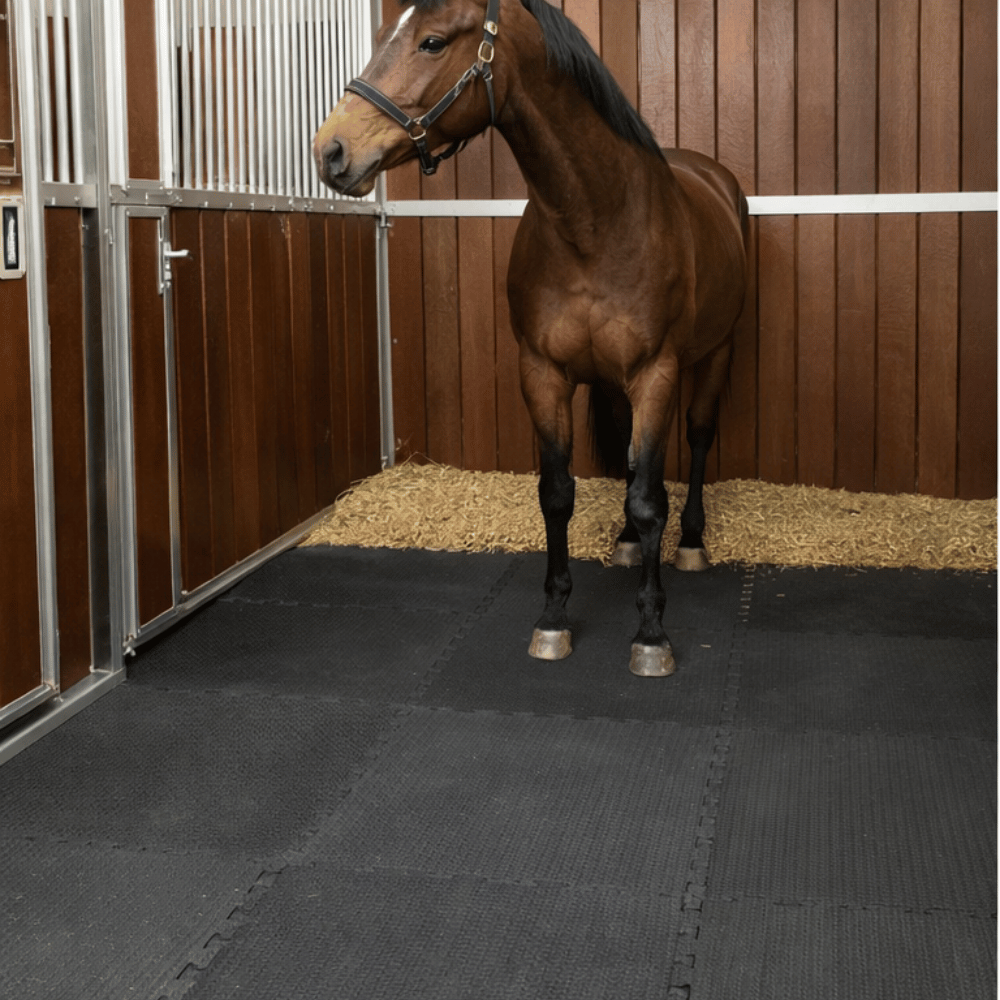

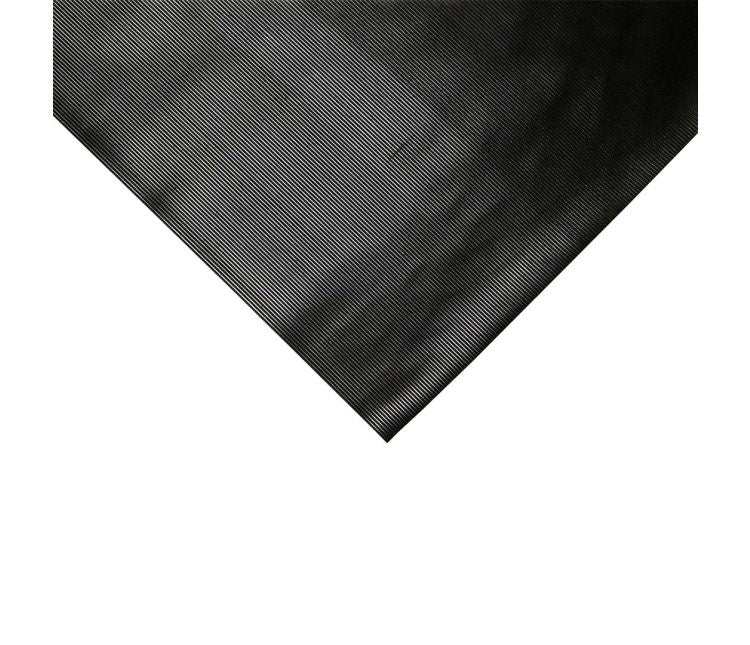
For more options, the full Stable Mats collection includes stable mats, rubber roll matting and related floor protection options suitable for equestrian, agricultural and practical commercial use.
How to Maintain Stable Mats
Stable mats perform best when they are cleaned and inspected regularly. Although they can make stable maintenance easier, they still need proper care to remain hygienic, comfortable and effective.
Sweep Daily
Remove loose bedding, dirt and debris from the mat surface each day. This helps keep the stable cleaner and prevents material from building up in textured areas or between mat edges.
Wash When Needed
Stable mats can usually be cleaned with water and a mild detergent, depending on the material. Rubber-safe cleaning products should be used where required. Avoid harsh chemicals or solvent-based cleaners unless the product guidance confirms they are suitable.
Allow Mats to Dry
After washing, allow the mats to dry properly. This helps reduce trapped moisture and keeps the stable environment more manageable.
Clean Beneath the Mats Periodically
Where mats can be lifted, clean beneath them as part of a deeper maintenance routine. Moisture, bedding and dirt can sometimes work their way underneath, especially if mats are not tightly fitted.
Inspect for Gaps or Movement
Check that mats remain in place and that edges are not lifting or shifting. Interlocking mats should remain connected securely, while roll matting should be positioned so it does not create awkward edges or movement underfoot.
Replace Damaged Mats
If a mat becomes damaged, cracked, heavily worn or difficult to clean properly, replacement may be needed. A worn mat will not provide the same level of comfort, floor protection or stable performance.
Frequently Asked Questions About Stable Mats
Q1: What are stable mats used for?
A1: Stable mats are used to create a softer, warmer and more practical floor surface in stables, stalls, livestock areas and related equestrian spaces. They help improve comfort, protect the floor and make cleaning easier.
Q2: What are the main benefits of stable mats?
A2: The main benefits of stable mats include improved comfort, better insulation from cold floors, easier mucking out, reduced bedding use, improved floor protection and a more practical stable surface.
Q3: Do stable mats reduce the need for bedding?
A3: Stable mats can reduce the amount of bedding needed because they provide cushioning and insulation themselves. However, bedding is still usually required for comfort, absorbency and stable hygiene.
Q4: Are stable mats good for horses?
A4: Stable mats can be beneficial because they provide a more forgiving surface than bare concrete. They can help improve comfort under hoof, reduce direct contact with cold floors and support a cleaner, more manageable stable environment.
Q5: Are EVA stable mats different from rubber stable mats?
A5: Yes. EVA stable mats are generally lighter and more cushioned, while rubber mats are often heavier and very durable. EVA mats are useful where insulation, comfort and ease of handling are important, while rubber is often chosen for toughness and resilience.
Q6: Can stable mats be used in horseboxes?
A6: Some stable mats are suitable for horseboxes and animal transport vehicles. Always check the specific product details to confirm whether the mat is suitable for transport use.
Q7: Are stable mats easy to clean?
A7: Stable mats are generally easier to clean than bare or absorbent flooring. They can usually be swept, washed or hosed depending on the product. Some mats can also be lifted for deeper cleaning underneath.
Q8: Can stable mats help with cold floors?
A8: Yes. Stable mats provide a layer between the animal and the cold floor underneath. EVA foam options in particular offer strong thermal insulation, helping create a warmer surface.
Q9: Do stable mats protect concrete floors?
A9: Yes. Stable mats help protect concrete floors from hooves, bedding, tools, moisture and daily wear. They act as a protective layer over the subfloor.
Q10: Where can I buy stable mats?
A10: Mats4U offers a Stable Mats collection that includes EVA stable mats, rubber roll matting and other practical floor protection options for stables, livestock areas, walkways and equestrian environments.


