



Ice, snow, slush and freezing rain can create serious challenges for building entrances during the colder months. Across the UK, winter weather often leads to wet footwear, muddy walkways, salt and grit being carried indoors, and entrance areas becoming harder to keep clean and presentable. For businesses, schools, public buildings and busy homes, this can quickly turn into more than just a seasonal inconvenience.
When snow and ice are present outdoors, grit and salt are commonly used to improve traction on surrounding paths and access routes. While this is important for external safety, those same particles are frequently walked into buildings on shoes, boots and wheels. Once inside, they can spread across reception areas, corridors and flooring, creating extra cleaning demands and contributing to premature wear on carpets and hard surfaces.
This is why choosing the right mats for ice and snow matters. A well-planned winter entrance matting setup helps trap dirt, moisture, slush and grit before they move deeper indoors. WaterHog mats are especially well suited to this role, as their bi-level construction is designed to scrape, wipe and contain debris and water below shoe level, helping entrances stay cleaner and more manageable throughout the winter season.
Table of Contents
- Why Ice and Snow Create Problems at Entrances
- What Winter Foot Traffic Brings Indoors
- Why Mats for Ice and Snow Are So Important
- The Hidden Problem with Grit, Salt and Sand
- How a Winter Entrance Matting System Should Work
- Why WaterHog Mats Are a Strong Choice for Winter
- Recommended WaterHog Mats for Ice, Snow and Winter Moisture
- Choosing the Right Winter Mat for Your Entrance
- Where Mats for Ice and Snow Make the Biggest Difference
- How to Maintain Entrance Mats During Winter
- Frequently Asked Questions About Mats for Ice and Snow
Why Ice and Snow Create Problems at Entrances

Winter entrances face a unique set of problems that are not usually present during drier months. Snow and ice rarely remain entirely outside. As people enter a building, they can carry in slush, water, grit and compacted dirt on their footwear. Wheeled traffic, such as pushchairs, trolleys and delivery equipment, can also bring winter debris further indoors.
The entrance area is often the first place where this becomes noticeable. Wet footprints appear near the doorway, gritty residue gathers around mats or on surrounding floors, and repeated footfall can spread contamination far beyond the immediate threshold. In busy commercial spaces, this can happen within a short period of time, particularly during morning arrivals, lunch periods or customer peaks.
Wet Flooring and Slip Concerns
Wet or contaminated floors are a recognised slip concern. During icy or snowy weather, building entrances can become especially vulnerable because moisture is continuously carried in from outside. Even where external paths are properly treated, indoor surfaces may still become damp as snow melts from footwear.
Entrance mats help reduce this transfer by absorbing moisture and capturing slush before it reaches the surrounding floor. They are not a replacement for wider winter safety measures such as prompt cleaning, gritting outside areas or warning signage where needed, but they form an important part of reducing tracked-in wetness.
Damage to Floors and Carpets
Winter debris can also be harsh on interior flooring. Salt, grit and sand are abrasive when walked repeatedly across hard floors or carpets. Fine particles can scratch or dull certain smooth surfaces, while carpet fibres may hold grit deep within the pile, making it more difficult to remove through routine vacuuming.
By trapping this debris at the entrance, winter mats help reduce the volume of abrasive material reaching the rest of the building. This supports cleaner floors, easier maintenance and a more professional appearance throughout the winter months.
Heavier Cleaning Demands
Without suitable entrance matting, winter conditions often increase the amount of cleaning needed indoors. Staff may need to mop more frequently, vacuum repeatedly and deal with muddy patches or salt residue around the building. In customer-facing locations, this can become an ongoing distraction during poor weather.
A high-performance matting system helps contain much of the mess where it first enters. Instead of allowing dirt and moisture to spread freely, it creates a defined capture zone that can be cleaned and maintained more efficiently.
What Winter Foot Traffic Brings Indoors

When considering mats for ice and snow, it is useful to understand exactly what they are expected to handle. Winter entrances are exposed to a combination of moisture and debris, which makes mat choice especially important.
Snow and Slush
Snow clings to footwear and melts quickly once inside a heated building. This creates watery patches at entrances and can soak into nearby flooring if not absorbed in time. Slush can be even more problematic because it mixes snow, dirt and road residue into a wetter, dirtier form of contamination.
Rainwater and Meltwater
Not all winter moisture arrives as snow. Cold rain, thawing frost and melting ice also lead to damp footwear. The problem is often continuous during bad weather, as every person entering the building adds more moisture to the doorway area.
Grit, Sand and Salt
Outdoor anti-slip treatments are often necessary when ice is forecast, but granules used on external surfaces do not stay outside. They are easily picked up on shoe soles and carried onto entrance flooring. Once indoors, gritty residue can become highly visible, especially on smooth floors or darker carpet.
Mud and Ground-In Dirt
Wet winter ground often turns ordinary soil into sticky mud. This can be transferred from outdoor routes, car parks, construction areas, gardens and unpaved walkways. Mats with effective scraping action help remove this heavier debris before it spreads.
Fine Debris from Wheeled Traffic
Footwear is not the only source of tracked-in winter mess. Trolley wheels, prams, wheelchairs, goods cages and delivery carts can all bring in water and dirt from outside. In retail, education, healthcare and commercial buildings, this makes a wider, more durable entrance matting area especially valuable.
Why Mats for Ice and Snow Are So Important

The best mats for ice and snow are not designed merely to sit by the door. They need to perform several tasks at once: scrape away dirt, absorb water, hold debris below the walking surface and help reduce the amount of mess that reaches the surrounding interior.
They Help Keep Entrances Cleaner
A suitable winter mat catches a large portion of the dirt and moisture that would otherwise be walked straight through the building. This helps entrances stay more presentable during periods of bad weather, even when foot traffic is high.
They Help Manage Moisture Transfer
Where shoes are wet from rain, ice or melting snow, absorbent entrance mats can take on much of that surface moisture. This reduces the number of damp footprints appearing on adjacent flooring and supports a tidier arrival area.
They Reduce the Spread of Grit and Sand
Bi-level mats are particularly valuable in winter because they do not simply collect dirt on the visible upper surface. Their raised pattern scrapes debris from footwear, allowing grit and fine particles to fall into lower channels where they are less likely to be re-tracked into the building.
They Support Wider Winter Safety Measures
External gritting, prompt cleaning and sensible housekeeping remain important during freezing weather. Entrance mats contribute to this wider approach by addressing what happens once people step indoors. They help reduce the indoor consequences of snow, ice and the treatments used to manage them outside.
They Protect the Appearance of the Building
During winter, first impressions can deteriorate quickly. A lobby, shop entrance or office reception that looks muddy and wet may feel less welcoming. A well-selected matting system helps maintain a cleaner, more cared-for appearance, even when conditions outside are poor.
The Hidden Problem with Grit, Salt and Sand

Gritting is an important part of winter safety on external surfaces, especially where frost, ice or snow are expected. However, one of the less discussed side effects is the impact those materials can have once they are carried indoors. Mats for ice and snow need to deal not only with water and slush, but also with the rough debris used to make outdoor surfaces safer.
Why Grit Is Hard on Indoor Floors
Grit, sand and salt particles can travel much further than expected. They collect in shoe treads, enter reception areas and are then spread along natural walking routes. On hard floors, they can leave a dusty, granular residue. On carpeted areas, they may settle into the pile and contribute to a worn or dull appearance over time.
Why Ordinary Door Mats Often Fall Short
A simple decorative door mat may deal with light dirt, but it is often not enough for serious winter track-in. If the pile is too shallow, the mat may quickly look overloaded. If the surface lacks structure, dirt may sit on top rather than being held within the mat. If the mat is too small, people may only take one partial step on it before entering fully.
In contrast, winter-focused entrance mats should provide enough surface area and dirt-holding ability to make a meaningful difference. WaterHog mats are designed around this principle, using bi-level patterns that help scrape and retain debris more effectively.
Containing the Problem at the Door
When winter dirt is captured at the entrance, it becomes easier to manage. The mat can be vacuumed, lifted, cleaned or maintained as needed, rather than allowing abrasive debris to spread across a wider indoor floor area. This makes entrance matting an important protective layer during icy and snowy conditions.
How a Winter Entrance Matting System Should Work

A strong winter matting strategy usually works best when the entrance is treated as a sequence rather than a single point. Each stage has a slightly different job, helping remove as much contamination as possible before people reach the main interior floor.
Zone 1: External Access Areas
Outside the building, snow, ice and frost should be managed through appropriate winter maintenance. This may include clearing snow where practical, using grit where needed and monitoring access routes during changing weather. External anti-slip measures help improve the route to the entrance, but they do not stop all wetness and residue from coming indoors.
Zone 2: The First Indoor Matting Area
The first mat inside the entrance should be capable of handling significant moisture and debris. This is where WaterHog mats can perform particularly well. Their raised surfaces help remove dirt and grit from shoes, while their lower channels hold moisture and debris away from the main walking surface.
Zone 3: Extended Drying and Final Wiping
In busier buildings, a longer entrance mat or additional internal matting area provides more contact time. The more steps a person takes on a suitable mat, the greater the opportunity to reduce the amount of water and residue carried further indoors. This is especially useful in offices, retail buildings, schools and public spaces with steady winter footfall.
Why Coverage Matters
A high-quality mat may underperform if it is too small for the doorway. In winter, entrance mats should ideally cover the natural walking path and allow users to take multiple full steps across the surface. Larger entrances may benefit from longer mats or made-to-measure approaches where available.
Why WaterHog Mats Are a Strong Choice for Winter
WaterHog mats are particularly well suited to winter entrances because they are built to control the exact combination of problems caused by ice and snow: moisture, slush, grit and tracked-in debris. Their performance comes from a combination of structured surfaces, strong dirt-holding capacity and durable construction.
Bi-Level Construction
The signature bi-level design is one of the main reasons WaterHog mats stand out. The upper surface helps scrape dirt and debris from footwear, while the lower level holds the removed material away from the primary contact area. This makes them especially useful during months when grit, sand and wet dirt are common.
Strong Water Retention
Several WaterHog options are designed to retain large amounts of water per square metre. This is valuable when people are entering with wet footwear after rain, snow or slushy conditions. Rather than allowing water to sit immediately on surrounding floors, the mat helps contain moisture within the entrance zone.
Useful for High-Traffic Environments
Winter foot traffic can be demanding. WaterHog mats are available in versions designed for busy entrances and commercial use, making them suitable for environments where ordinary mats may become saturated or worn too quickly.
Designed for Dirt, Grit and Debris Control
WaterHog mats are not only absorbent; they are also designed to scrape and trap solid material. This is important during snowy weather, because the real challenge indoors is often the mixture of water and abrasive particles brought in from treated outdoor surfaces.
A Practical Choice for UK Conditions
UK winters often involve a mix of cold rain, frost, occasional snow, slush and wet ground rather than long periods of dry powder snow. For this reason, entrance mats need to be versatile enough to handle both moisture and dirt. WaterHog mats fit that requirement well, supporting cleaner, safer and more manageable entrances through varied winter conditions.
Recommended WaterHog Mats for Ice, Snow and Winter Moisture
The WaterHog range includes several strong options for winter entrance protection. The best choice depends on the type of building, the expected footfall and whether the priority is maximum moisture retention, sustainability, heavy-duty performance or a more tailored visual finish.

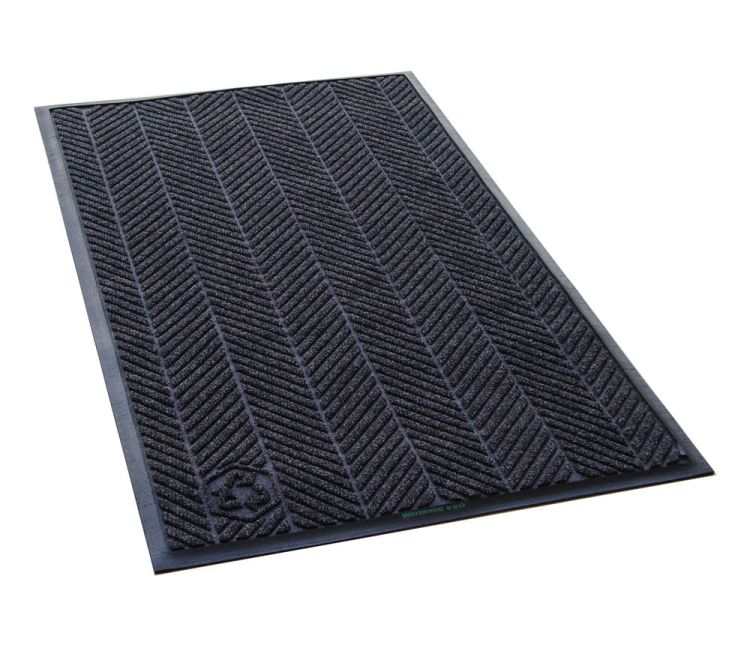


For those comparing the wider range, the full WaterHog Mats collection includes a variety of patterns, border styles and entrance-focused options suited to homes, workplaces and commercial buildings.
Choosing the Right Winter Mat for Your Entrance
Selecting mats for ice and snow is easier when you consider the entrance itself rather than simply choosing the first available mat. The most effective option will depend on foot traffic, exposure to weather, the amount of grit being carried in and the size of the doorway.
Consider the Level of Foot Traffic
A quiet domestic entrance and a busy commercial lobby will not need the same matting solution. High-footfall areas require mats with stronger durability, more dirt-holding capacity and better long-term resilience under repeated winter use.
Think About Moisture Volume
If your entrance regularly becomes wet during rainy or snowy periods, absorbency matters. WaterHog mats with high water retention are particularly useful in such settings because they are designed to hold significant moisture while continuing to scrape away debris.
Account for Grit and Sand
Buildings located near treated pavements, car parks or heavily gritted access routes often experience a lot of granular residue indoors. A bi-level mat that traps material below the walking surface is far more suitable than a basic flat pile mat.
Choose a Sufficient Size
A winter mat should be large enough to allow meaningful foot contact. If visitors can cross the whole mat in a single short step, its ability to reduce water and dirt transfer will be limited. Larger mats or longer entrance coverage usually deliver better practical results.
Match the Mat to the Space
Some entrances need a heavy-duty utility appearance, while others need something more polished and presentable. WaterHog mats are available in multiple designs, border styles and colour options, giving businesses more flexibility to choose winter matting that works visually as well as functionally.
Where Mats for Ice and Snow Make the Biggest Difference
Winter entrance mats are useful wherever people move directly from cold, wet or gritted outdoor surfaces into indoor spaces. Some settings, however, benefit especially strongly from a more considered matting setup.
Office Entrances and Reception Areas
Office entrances need to remain clean and professional even when the weather is poor. Water, grit and muddy footprints around a reception area can quickly undermine the appearance of the workplace. A durable WaterHog mat helps reduce winter mess before it reaches walkways, desks or meeting areas.
Retail Shops and Showrooms
Customer entrances often receive repeated foot traffic throughout the day. During ice and snow, this can lead to a constant trail of grit and moisture. Effective entrance matting helps protect the customer-facing environment and supports easier daily housekeeping.
Schools, Colleges and Nurseries
Educational settings frequently experience sudden surges in foot traffic at arrival and collection times. In winter, this can mean high volumes of wet footwear entering in a short period. A more substantial matting area helps contain slush and outdoor dirt near the entrance.
Healthcare and Public Buildings
Facilities that welcome a steady flow of visitors need entrance zones that are easier to keep clean during poor weather. Mats for ice and snow support broader cleaning routines by helping manage contamination at the threshold.
Hotels, Leisure Sites and Hospitality Venues
Customer experience matters in hospitality, and a wet or gritty entrance can make a venue feel less polished. Winter matting helps maintain presentation while also assisting with control of moisture and outdoor debris.
Homes with Busy Family Entrances
Residential entrances also benefit from suitable winter mats, especially in homes with children, pets, garden access or regular outdoor activity. They help stop wet boots, muddy shoes and grit from moving straight into hallways and living areas.
How to Maintain Entrance Mats During Winter
Even the best mats for ice and snow need regular care if they are to keep performing well. During winter, matting can accumulate more water, grit and dirt than at any other time of year, so maintenance should be adjusted accordingly.
Vacuum Frequently to Remove Dry Grit
Grit and sand should not be allowed to build up indefinitely. Frequent vacuuming helps clear dry debris from the mat surface and lower channels, preserving its ability to continue trapping more dirt.
Monitor Moisture Levels During Bad Weather
During heavy rain, sleet or snow, check mats more regularly. If a mat becomes heavily saturated, cleaning or drying may be needed sooner to maintain good performance around the entrance area.
Clean the Surrounding Floor Area
A winter matting system works best when the floor around it is also kept clean and dry. Moisture or grit that has already spread beyond the mat should be removed promptly, particularly in busy entrances.
Inspect for Wear and Movement
Check that mats remain flat, secure and in good condition. Edges should not be curling, and the backing should continue to sit correctly for the floor type. A worn or poorly positioned mat may not perform as intended.
Review Entrance Coverage Each Winter
Foot traffic patterns and building use can change over time. Before the colder season begins, review whether your current mat is still large enough and suitable for the conditions your entrance typically faces. Upgrading to a more absorbent or heavier-duty option can make a substantial difference in particularly wet or exposed locations.
Frequently Asked Questions About Mats for Ice and Snow
Q1: What are the best mats for ice and snow?
A1: The best mats for ice and snow are those that can manage wet footwear, slush, grit and tracked-in dirt effectively. WaterHog mats are a strong choice because their bi-level design helps scrape debris from shoes and trap moisture below shoe level, making them highly suitable for winter entrance areas.
Q2: Do entrance mats stop ice from forming outside?
A2: Entrance mats are mainly intended to manage what is carried indoors from icy and snowy conditions. External ice should still be handled with appropriate winter maintenance such as clearing, gritting and monitoring affected access routes.
Q3: Why are WaterHog mats suitable for winter entrances?
A3: WaterHog mats are designed to trap dirt, grit and moisture efficiently. Their bi-level surface helps remove winter debris from footwear and retain water, making them particularly useful in entrances affected by snow melt, rainwater and gritted pathways.
Q4: Are WaterHog mats good for grit and sand?
A4: Yes. WaterHog mats are especially useful where grit and sand are being tracked indoors, because their raised surface removes debris from footwear while the lower level holds particles away from the main walking surface.
Q5: Which WaterHog mat is best for heavy foot traffic?
A5: Waterhog Classic Heavy Duty Entrance Matting and Waterhog Eco Elite Heavy Duty Entrance Matting are both strong options for busy entrances. They are designed for demanding use while offering effective dirt and moisture control.
Q6: Can WaterHog mats help protect floors in winter?
A6: Yes. By trapping water, grit and tracked-in debris at the entrance, WaterHog mats help reduce the amount of abrasive and moisture-heavy contamination reaching surrounding floors and carpets.
Q7: Should I use a larger entrance mat in winter?
A7: In many cases, yes. A larger mat provides more contact area for footwear, allowing more dirt and moisture to be removed before people step onto the main indoor floor. This is particularly valuable in busy commercial or public entrances.
Q8: How often should winter entrance mats be cleaned?
A8: Cleaning frequency depends on foot traffic and weather conditions. During wet or snowy periods, entrance mats may need more frequent vacuuming and monitoring to prevent excessive build-up of grit, dirt and moisture.
Q9: Are mats for ice and snow useful in homes as well as businesses?
A9: Yes. Homes can benefit greatly from winter entrance mats, especially where muddy shoes, wet boots, pets or direct outdoor access regularly bring dirt and moisture indoors.
Q10: Where can I find WaterHog mats for winter use?
A10: Mats4U offers a dedicated WaterHog Mats collection with a range of heavy-duty, moisture-trapping and dirt-controlling entrance mat options suited to winter conditions.


