



In the demanding environment of modern UK warehouses and industrial facilities, operational efficiency and workplace safety are paramount. Forklifts, while indispensable for moving heavy loads, also present unique challenges, from tracking in dirt and moisture to the potential for slips and impacts. This is where high-quality forklift mats become a critical asset. However, merely acquiring these mats is not enough, their effectiveness hinges entirely on meticulous, professional installation. A properly installed forklift mat system provides a stable, clean, and safe surface, protecting both your workforce and your valuable flooring infrastructure.
This comprehensive guide delves into every aspect of forklift mat installation, specifically tailored for UK businesses. We'll explore the various types of mats available, provide a detailed step-by-step installation process, highlight crucial maintenance tips, and address common pitfalls. By the end, you'll possess the expert knowledge needed to implement a forklift mat solution that enhances safety, controls contamination, and stands the test of time in your facility. For a quick reference to our initial insights on this topic, you can also revisit our original guide to installing forklift mats.
Table of Contents
- Why Meticulous Forklift Mat Installation is Indispensable for UK Businesses
- Navigating the Landscape of Forklift Mats: Types and Installation Approaches
- A Comprehensive Step-by-Step Guide to Installing Your Forklift Mats
- Proactive Maintenance: Maximising the Durability and Performance of Your Mats
- Common Pitfalls in Forklift Mat Installation and How to Avoid Them
- Why Choose Mats4U for Your Forklift Mat Solutions?
- Frequently Asked Questions About Forklift Mat Installation
Why Meticulous Forklift Mat Installation is Indispensable for UK Businesses
The decision to invest in forklift mats is a proactive step towards a safer, cleaner, and more efficient working environment. Yet, the full realisation of these benefits is directly tied to the quality of their installation. For UK businesses, where health and safety regulations are stringent and operational continuity is vital, precision in installation is not merely a recommendation – it's a necessity.
Bolstering Workplace Safety and Preventing Accidents
Forklift mats are primarily a safety measure. They create a designated zone where forklifts can transfer dirt and moisture before entering main operational areas, significantly reducing the risk of slips, trips, and falls for pedestrians and other vehicle operators. Improperly installed mats, however, can become a tripping hazard themselves, curling at the edges or shifting out of place under heavy traffic. A secure, flat installation ensures the mat performs its protective function without introducing new risks. This commitment to safety aligns directly with the Health and Safety at Work etc. Act 1974 and the Workplace (Health, Safety and Welfare) Regulations 1992, which mandate employers to provide a safe working environment.
Optimising Dirt and Debris Management
Beyond safety, forklift mats are champions of cleanliness. Designed to scrape and trap dirt, grit, mud, and moisture from forklift wheels and tyres, they prevent these contaminants from being tracked throughout your warehouse. This is crucial for maintaining a clean and professional image, reducing wear and tear on other flooring surfaces, and lowering overall cleaning costs. An installation that leaves gaps or allows the mat to move will compromise its dirt-trapping efficiency, permitting debris to bypass the mat's protective barrier.
Extending the Lifespan of Your Mats and Floors
Correct installation plays a vital role in the longevity of both your forklift mats and the underlying floor. By providing a stable, protective layer, the mats absorb much of the impact and abrasion that would otherwise degrade your concrete or resin floors. Furthermore, a properly secured mat experiences less stress from movement and friction, preventing premature wear, tearing, and displacement. This means your investment in forklift mats provides greater returns over a longer period.
Ensuring Compliance with UK Health and Safety Standards
In the UK, employers have a legal and moral obligation to provide a safe working environment. This includes taking reasonable steps to mitigate risks associated with industrial operations. Properly installed forklift mats contribute significantly to this compliance by actively reducing common hazards in high-traffic zones. Demonstrating due diligence through effective safety measures, including robust matting systems, is fundamental to meeting regulatory requirements and fostering a culture of safety.
Navigating the Landscape of Forklift Mats: Types and Installation Approaches
The market offers a variety of forklift mats, each designed with specific features and installation requirements. Understanding these differences is key to selecting the right product for your facility and ensuring a seamless, effective setup. Here, we highlight some popular options from Mats4U and their general installation considerations.

Waterhog Modular Forklift Mats & Double Sided Tape Installation System
Price: £211.00
These innovative mats offer unparalleled flexibility, allowing you to create custom-sized matting solutions for any entrance or loading bay. Their modular design means you can replace individual sections if damaged, rather than the entire mat, offering cost-effectiveness in the long run. Installation typically involves the use of a robust double-sided tape system, which ensures a secure, flat adherence to the floor without the need for extensive adhesives or professional fitting tools. This makes them ideal for facilities requiring adaptable matting solutions that are easy to manage and maintain.
View Product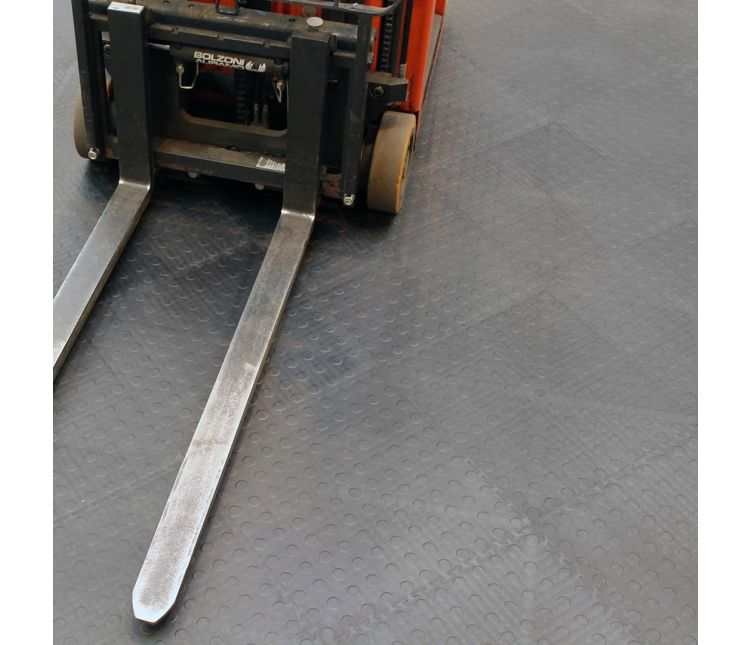
Tough-Lock Eco PVC Floor Covering - Pack of 4
Price: £58.00
For areas demanding extreme durability and easy reconfigurability, interlocking PVC tiles like the Tough-Lock Eco are an excellent choice. These heavy-duty tiles connect seamlessly, creating a resilient surface capable of withstanding constant forklift traffic. Their 'eco' designation also highlights a commitment to sustainability. Installation involves simply laying and interlocking the tiles, often without the need for adhesives, making them quick to deploy and adjust. They provide a robust, non-slip surface and are particularly effective in high-wear zones or areas prone to spills, offering both protection and ease of cleaning.
View Product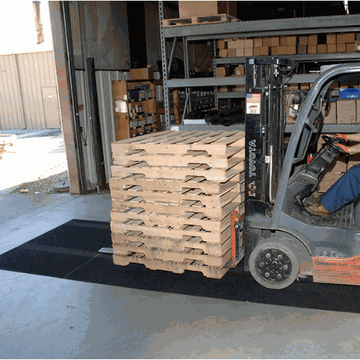
Waterhog Eco Forklift Mat BlackSmoke
Price: £1,136.34
The Waterhog Eco Forklift Mat represents a premium, environmentally conscious solution for heavy-duty applications. Crafted from recycled materials, this mat combines sustainability with exceptional performance in dirt and moisture control. Its robust construction is designed to endure the most rigorous industrial traffic, while the distinctive Waterhog ridged pattern effectively scrapes and traps contaminants. These mats are typically heavy enough to lay flat and stay in place, but for extreme environments or where absolute immobility is required, adhesive or perimeter securing might be considered to enhance stability and safety.
View Product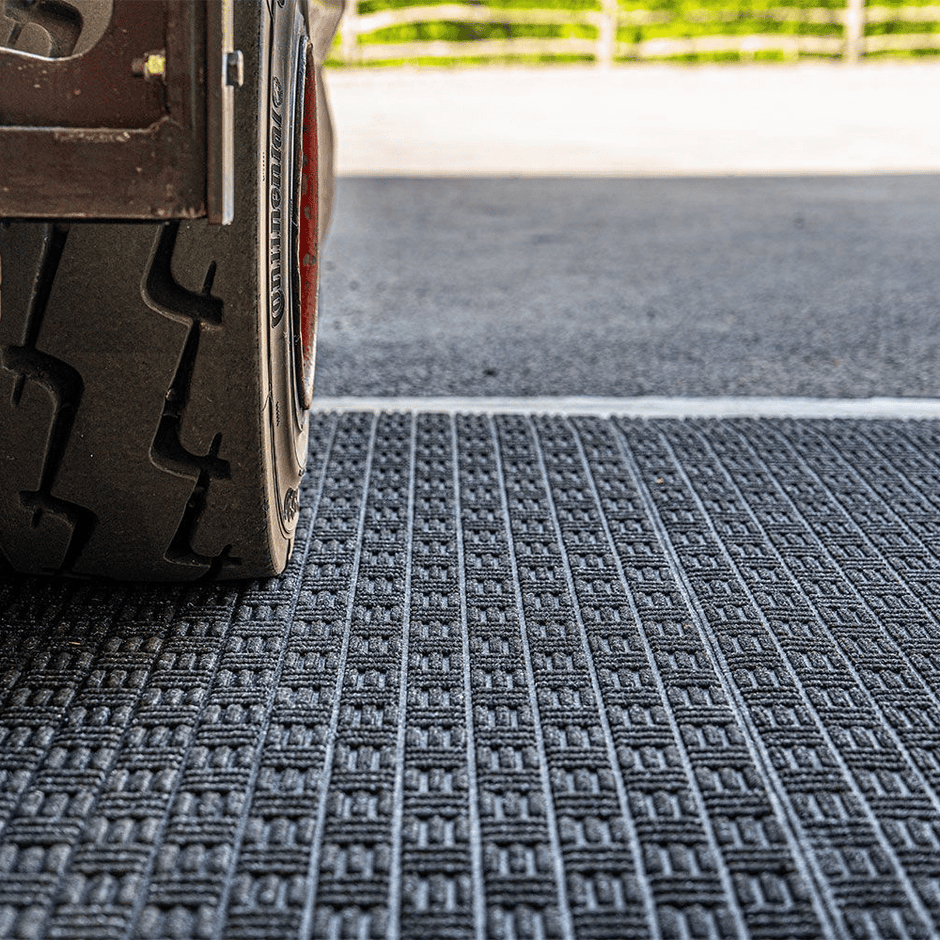
Heavy-Duty Forklift Mats: Boost Warehouse Safety & Dirt Control
Price: £150.00
These robust mats are engineered to handle the relentless demands of high-traffic industrial settings, providing superior protection against dirt, moisture, and impact. Designed for areas where forklifts frequently enter and exit, they play a critical role in enhancing overall warehouse safety and maintaining cleanliness. Due to their substantial weight and durable construction, many heavy-duty forklift mats can be installed as loose-lay solutions, relying on their inherent mass to stay put. However, careful consideration of the specific environment and traffic patterns will dictate whether additional securing methods, such as adhesives or edge ramp installation, are beneficial for optimal stability.
View ProductA Comprehensive Step-by-Step Guide to Installing Your Forklift Mats
Proper installation is the bedrock of your forklift matting system's success. Following these detailed steps will ensure your mats are secure, effective, and compliant with safety standards, offering lasting benefits to your UK operations.
The Essential Pre-Installation Checklist: Ensuring a Smooth Setup
Before any mat touches the floor, thorough preparation is crucial. This initial phase can prevent costly mistakes and ensure a durable installation.
- Site Assessment: Carefully evaluate the installation area. Consider the type of forklift traffic (weight, frequency), the existing flooring material, exposure to moisture or chemicals, and proximity to entrances or loading docks. Measure the precise dimensions required, allowing for any necessary perimeter ramps or cut-outs around obstacles.
- Safety First: Ensure the area is clear of personnel and other equipment during installation. Wear appropriate personal protective equipment (PPE) such as safety shoes, gloves, and eye protection. If adhesives are used, ensure adequate ventilation.
-
Gather Your Tools: Depending on the mat type and installation method, you might need:
- Heavy-duty utility knife or industrial floor cutter
- Straightedge or chalk line for precise cuts
- Measuring tape
- Broom, vacuum cleaner, and industrial cleaning solutions
- Mop and buckets
- Applicators for adhesives or double-sided tape
- Roller for pressing down mats (especially for adhesive installations)
- Appropriate adhesives or double-sided tape (ensure compatibility with your mat and floor type)
- Safety cones or barriers to cordon off the area.
- Read Manufacturer Guidelines: Always refer to the specific installation instructions provided by the mat manufacturer. These often contain critical details unique to the product's composition and intended use.
Preparing Your Surface: The Foundation for Durability
The success of your installation hinges on a clean, dry, and sound subfloor. Neglecting this step is a common cause of mat failure.
- Thorough Cleaning: Sweep, vacuum, and then thoroughly clean the entire area where the mats will be placed. Remove all dirt, dust, grease, oil, and any other contaminants. For industrial floors, consider using an industrial degreaser or cleaner, followed by a clear water rinse.
- Ensure Dryness: The floor must be completely dry before proceeding, especially if using adhesives or tape. Moisture trapped underneath can compromise adhesion and potentially lead to mould or mildew. Allow ample drying time, or use industrial fans if necessary.
- Inspect and Repair: Check the floor for cracks, potholes, unevenness, or debris that could prevent the mat from lying flat. Repair any damage and level uneven surfaces as needed. A smooth, even surface is critical for uniform contact and preventing wear points.
Precision Laying: Positioning and Alignment Techniques
This is where your planning translates into action. Accurate placement ensures the mats function effectively and safely.
- Initial Layout (Dry Fit): For modular or interlocking mats, perform a dry fit first. Lay out the mats without adhesive or tape to ensure they fit correctly, cover the desired area, and any cuts are planned accurately. This allows for adjustments before permanent fixing.
- Start Point: For large areas or modular systems, establish a clear starting point, often the longest straight edge or a corner, and work outwards. Use a chalk line or straightedge to maintain perfect alignment.
- Cutting to Size: If mats require cutting, use a heavy-duty utility knife and a sturdy straightedge. Score the mat multiple times with firm, controlled pressure rather than attempting to cut through in a single pass. Always cut from the back or textured side to ensure a cleaner edge and protect the top surface.
Securing the Mats: Preventing Movement and Hazards
The method of securing depends heavily on the mat type and desired permanence.
- For Modular Mats with Double-Sided Tape: After the dry fit, peel back a small section of the tape liner, position the mat precisely, and press down firmly. Gradually remove the rest of the liner while pressing the mat down, working from the centre outwards to avoid air bubbles. A roller can be used to ensure maximum adhesion.
- For Interlocking Tiles: Simply align and interlock the tiles according to the manufacturer's instructions. Ensure each connection is firm and flush. While often designed for loose lay, perimeter ramp pieces can be added for a cleaner finish and to prevent tripping hazards. For very high-traffic areas, or where heavy machinery might push them, a perimeter adhesive might be considered.
- For Heavy-Duty Loose-Lay Mats: Many heavy-duty mats are designed to stay in place due to their weight. Ensure they are laid perfectly flat and regularly check for any shifting. For enhanced stability, especially near entrances or ramps, a heavy-duty, low-tack adhesive or corner tape can be used.
- Using Adhesives: If a permanent bond is required (e.g., for certain roll mats or specific heavy-duty applications), apply the adhesive evenly to the prepared floor surface using a suitable applicator, following the manufacturer's spread rate guidelines. Carefully lay the mat onto the adhesive, working out any air pockets with a roller. Ensure the adhesive is suitable for both your mat material and subfloor.
Post-Installation Procedures and Best Practices
The job isn't over once the mats are down.
- Curing Time: Allow adequate curing time if adhesives have been used before subjecting the area to full forklift traffic. This can range from a few hours to 24-48 hours, depending on the adhesive. Consult the adhesive manufacturer's specifications.
- Final Inspection: Conduct a thorough inspection of the entire installed area. Check for any raised edges, loose sections, or gaps. Address these immediately to prevent safety hazards.
- Clean-up: Remove any excess adhesive, tape remnants, or cutting debris from the area.
- Communication: Inform staff about the newly installed mats and any temporary access restrictions.
Proactive Maintenance: Maximising the Durability and Performance of Your Mats

Once your forklift mats are expertly installed, a consistent maintenance regimen is key to preserving their effectiveness, extending their lifespan, and ensuring they continue to contribute to workplace safety and cleanliness.
Establishing Regular Cleaning Protocols
The primary function of forklift mats is to trap dirt and moisture, meaning they will inevitably accumulate debris. Regular cleaning is essential to maintain their performance:
- Daily or Weekly Sweeping/Vacuuming: Depending on traffic volume, sweep or vacuum the mats daily or several times a week to remove loose dirt and grit. This prevents contaminants from being tracked off the mat and into the facility.
- Periodic Deep Cleaning: Implement a schedule for deeper cleaning, perhaps monthly or quarterly. This may involve pressure washing (if the mat material allows), scrubbing with a mild detergent and water, or using specialised floor cleaning equipment suitable for your mat type. Always ensure mats are thoroughly dried before being put back into service, especially if they are loose-lay.
- Addressing Spills Promptly: Spills of oil, grease, or other chemicals should be cleaned immediately to prevent staining, material degradation, and slip hazards. Use appropriate cleaning agents that are safe for the mat material.
Conducting Routine Inspections for Wear and Damage
Regular visual inspections can identify potential issues before they escalate, preventing safety hazards and costly replacements.
- Check for Wear and Tear: Look for signs of excessive wear, thinning, or damage, particularly in high-traffic pathways. Pay attention to areas where forklift wheels repeatedly turn or brake.
- Inspect Edges and Corners: Ensure all edges and corners remain flat and securely attached to the floor. Raised edges are a significant tripping hazard and can lead to the mat curling further.
- Assess Adhesion: For taped or glued installations, periodically check for any areas where the mat might be lifting from the floor.
- Look for Displacement: For loose-lay mats, verify they haven't shifted significantly from their original position, especially after heavy use.
Addressing Damage Promptly
Minor damage, if ignored, can quickly worsen. Prompt action can save you from replacing an entire mat:
- Repair Small Tears/Cuts: For minor damage, a suitable repair adhesive or patch kit recommended by the manufacturer can often extend the mat's life.
- Replace Damaged Modules/Tiles: If you've opted for modular or interlocking systems, the advantage is the ability to replace only the damaged section, saving time and resources.
- Re-secure Loose Sections: If adhesion is failing, re-apply tape or adhesive to the affected areas after thorough cleaning and drying.
Common Pitfalls in Forklift Mat Installation and How to Avoid Them

Even with the best intentions, certain mistakes can undermine the effectiveness and longevity of your forklift mat investment. Being aware of these common pitfalls can help UK businesses achieve a flawless installation.
- Insufficient Surface Preparation: This is arguably the most common and detrimental error. Laying mats over dirty, dusty, greasy, or wet floors will severely compromise adhesion and lead to the mat lifting, bubbling, or shifting. Always ensure the subfloor is immaculately clean, dry, and free of defects.
- Ignoring Manufacturer's Instructions: Each mat has specific characteristics. Disregarding the manufacturer's guidelines on installation, suitable adhesives, or curing times can void warranties and lead to premature mat failure. Always read and follow these instructions carefully.
- Incorrect Mat Selection: Choosing a mat that isn't designed for the specific type or volume of forklift traffic, environmental conditions (e.g., exposure to chemicals, extreme temperatures), or load bearing requirements will result in rapid wear and ineffective performance. Always match the mat to the application. For a wide range of suitable options, explore our full collection of forklift mats at Mats4U.
- Poor Alignment and Gaps: Mats laid unevenly or with significant gaps can create trip hazards and allow dirt to bypass the matting system. Precision in layout, especially for modular or interlocking systems, is crucial to create a seamless and safe surface.
- Neglecting Edges and Ramps: Unsecured edges or the absence of proper transition ramps can lead to mats curling, fraying, and becoming a serious tripping risk. Always ensure edges are flush with the floor or protected by appropriate edging strips/ramps, particularly in areas with pedestrian traffic.
- Rushing the Installation Process: Attempting to install mats quickly without proper planning, surface preparation, or allowing sufficient curing time for adhesives can lead to a substandard outcome. Patience and attention to detail during each step will pay dividends in the long run.
- Lack of Post-Installation Inspection: Failing to conduct a thorough final inspection to identify and rectify any issues (like raised edges or loose sections) immediately after installation can leave latent hazards in place.
- Using Incompatible Adhesives/Tapes: Not all adhesives or double-sided tapes are suitable for all mat materials or subfloor types. Using the wrong product can result in poor adhesion, damage to the floor, or degradation of the mat. Always verify compatibility.
Why Choose Mats4U for Your Forklift Mat Solutions?
At Mats4U, we understand the critical role that high-quality, properly installed forklift mats play in the safety and operational efficiency of your UK warehouse or industrial facility. With years of expertise in industrial matting solutions, we pride ourselves on offering products that meet the highest standards of durability, performance, and compliance.
Our extensive range of forklift mats, including modular systems, interlocking tiles, and heavy-duty options, is carefully selected to address the diverse challenges faced by modern businesses. We don't just sell mats; we provide comprehensive solutions backed by expert advice. Our team is dedicated to helping you choose the right mat for your specific needs and guiding you through the installation process to ensure maximum effectiveness.
When you choose Mats4U, you're not just buying a product; you're investing in peace of mind, knowing you're enhancing workplace safety, improving cleanliness, and protecting your assets with the best matting solutions available on the market. Explore our full collection of forklift mats today and experience the Mats4U difference.
Frequently Asked Questions About Forklift Mat Installation
Q1: How long does forklift mat installation typically take?
A1: The duration of forklift mat installation can vary significantly based on the mat type, the size of the area, and the specific installation method. For a small area with loose-lay or interlocking tiles, it might take a few hours. For larger areas involving adhesive or double-sided tape, preparation time (cleaning, drying, repairs) combined with the laying process could extend to a full day or more, plus any required curing time for adhesives (typically 24-48 hours).
Q2: Can I install forklift mats myself, or do I need professional help?
A2: Many forklift mats, especially modular or interlocking systems designed for straightforward installation, can be successfully installed by competent in-house maintenance teams following manufacturer instructions. However, for very large areas, complex layouts, or installations requiring specialised tools or permanent adhesion, considering professional installation might be beneficial to ensure optimal results and compliance with health and safety standards. Always assess your team's skills and available resources.
Q3: What's the best way to secure forklift mats to prevent shifting?
A3: The best method depends on the mat type and floor conditions. Heavy-duty mats often rely on their weight for stability, making them suitable for loose-lay. Modular mats frequently use robust double-sided tape for secure adhesion. For interlocking tiles, their design provides inherent stability, but perimeter edge ramps can prevent movement and tripping hazards. For maximum security, especially in high-traffic or dynamic environments, specific industrial-grade adhesives can create a more permanent bond. Always ensure the chosen method is compatible with both the mat and your subfloor.
Q4: How do I ensure my forklift mats comply with UK health and safety regulations?
A4: Compliance is achieved by ensuring your mats effectively mitigate risks associated with forklift traffic, such as slips, trips, falls, and the spread of contaminants. This means selecting appropriate, durable mats for your environment, installing them meticulously to prevent hazards like curling edges, and maintaining them regularly to preserve their performance. Documentation of your risk assessment and the measures taken (including matting) demonstrates due diligence in meeting obligations under legislation like the Health and Safety at Work etc. Act 1974.
Q5: How often should I clean my forklift mats?
A5: The frequency of cleaning depends on the volume and nature of forklift traffic and the contaminants present. In high-traffic industrial settings, daily sweeping or vacuuming to remove loose dirt is often recommended. Deep cleaning, involving washing or scrubbing with appropriate detergents, should be performed periodically (e.g., weekly, fortnightly, or monthly) to remove embedded grime and maintain the mat's dirt-trapping efficiency. Always allow mats to dry thoroughly after deep cleaning.
Q6: Can forklift mats be installed over any type of flooring?
A6: Most forklift mats are designed for installation over common industrial flooring types such as concrete, epoxy-coated floors, or resin surfaces. However, it's crucial to check the mat and adhesive manufacturer's specifications for compatibility. Some flooring types, like certain painted surfaces or uneven/damaged floors, may require additional preparation or specific adhesive types to ensure proper adhesion and performance.
For expert advice and a wide selection of high-performance forklift mats tailored for the demands of UK industry, visit Mats4U today. Let us help you secure a safer, cleaner, and more efficient future for your warehouse. Explore our range and take the next step towards enhanced operational excellence at mats4u.co.uk/collections/forklift-mats.
Stay connected with Mats4U for the latest updates, tips, and product innovations:


