



Every day, people walk into homes, offices, shops, schools, healthcare settings and commercial buildings carrying more than just themselves through the entrance. Footwear regularly brings in visible dirt, fine dust, grit, moisture and outdoor debris from pavements, car parks, gardens, public transport areas and work sites. Once inside, that contamination can spread quickly across floors and walkways.
While shoe dirt is often treated as a simple cleaning issue, it can have a wider impact on the appearance, safety and upkeep of an indoor space. Dirty flooring creates a poor first impression, moisture near entrances can contribute to slip risks, and abrasive grit may gradually increase wear on carpets and hard floors. In busy environments, the problem becomes even more noticeable because every visitor, customer or employee can add to the build-up.
This is where entrance mats play an important role. A well-chosen mat helps reduce the amount of dirt and moisture carried beyond the doorway, protecting interior flooring and supporting a cleaner, safer and more presentable environment. In this article, we explore the hidden dangers of shoe dirt, why entrance matting matters, and which mat options are best suited to tackling everyday track-in across UK homes and businesses.
Table of Contents
- Understanding Shoe Dirt and Why It Matters
- What Can Shoes Bring Indoors?
- The Dangers of Shoe Dirt Infographic
- How Shoe Dirt Affects Floors and Indoor Spaces
- How Entrance Mats Help Control Dirt and Moisture
- What to Look for When Choosing Entrance Mats
- Recommended Entrance Mats for Dirt Control
- Where Entrance Mats Make the Biggest Difference
- How to Keep Entrance Mats Performing Well
- Frequently Asked Questions About Entrance Mats and Shoe Dirt
Understanding Shoe Dirt and Why It Matters

Shoe dirt is the mixture of material that collects on footwear as people move through outdoor and public environments. It may include mud, soil, sand, leaves, grit, dust and moisture, but it can also include less visible particles transferred from busy walking routes and outdoor surfaces.
In a quieter home entrance, a small amount of dirt may seem harmless. In a commercial property, however, hundreds of footsteps can turn minor track-in into a constant cleaning challenge. Reception areas, corridors, retail entrances, office lobbies, schools and communal buildings often experience the most obvious effects because they are the first point of contact between outdoor and indoor spaces.
The problem is not just that dirt makes flooring look untidy. Once debris moves further inside, it becomes harder to manage. Grit can be walked from an entrance into carpeted areas, fine dust may settle around skirting and corners, and wet footprints can travel well beyond the doorway. This increases the amount of cleaning required and can make interiors feel less well maintained.
Entrance mats help tackle this issue at its source. Rather than waiting until dirt has already spread through the building, the mat creates a practical barrier at the threshold, encouraging debris and moisture to be removed from footwear before it reaches the main floor area.
What Can Shoes Bring Indoors?

Footwear comes into contact with a wide variety of surfaces throughout the day. Pavements, roadsides, parks, car parks, public entrances, industrial yards and transport areas can all leave residue on the soles of shoes. As a result, shoe dirt is often a mixture of visible grime and much finer material that is easy to overlook.
1. Mud, Soil and Outdoor Debris
Mud and soil are among the most obvious forms of shoe dirt. During wet weather, footwear can carry a substantial amount of moisture-laden debris into buildings. This is especially common at entrances without suitable matting or where the mat is too small to allow several steps before entering the main interior.
2. Fine Grit and Abrasive Particles
Small particles of grit can be particularly problematic for flooring. When walked repeatedly across hard floors, abrasive particles may contribute to scratching, dulling and surface wear. In carpets, dirt can settle into the pile and make the flooring look tired or discoloured over time.
3. Moisture from Rain and Wet Ground
Water brought in from outside is one of the most common entrance-related issues in the UK. Wet shoes can leave marks across tiles, vinyl, wood, laminate and other smooth floor finishes. In busy buildings, this can quickly create a messy entrance and may increase the risk of slippery patches if not controlled effectively.
4. Dust, Pollen and General Airborne Residue
Shoes can also gather fine dry particles from outdoor spaces. These may not be immediately visible on arrival, but once tracked indoors they can contribute to dusty floors, dull carpets and more frequent cleaning requirements.
5. Microorganisms and Surface Contamination
Research has examined shoe soles as potential carriers of microorganisms and other contaminants, particularly because footwear regularly moves between outdoor ground surfaces and indoor environments. While everyday risks vary by setting, it is reasonable to treat entrances as an important control point for reducing unnecessary track-in and supporting cleaner floors. Entrance mats are not a substitute for hygiene and cleaning routines, but they are a practical first step in limiting how much outdoor material enters a space.
The Dangers of Shoe Dirt Infographic

The infographic below highlights some of the concerns linked to dirt being carried indoors on shoes. It offers a useful visual summary of how footwear can act as a pathway for unwanted debris and contaminants, and why the entrance area deserves more attention when planning floor care and cleaning strategies.
For homes, the issue may be about reducing mud, mess and everyday cleaning. For businesses, it can also affect presentation, customer perception, floor maintenance costs and the standard of cleanliness expected in professional spaces. In both cases, entrance mats help provide a simple but highly useful point of defence.
How Shoe Dirt Affects Floors and Indoor Spaces

Shoe dirt does not always stay near the door. In buildings with regular footfall, it is carried further inside with each step. Over time, this can affect several areas of building maintenance and appearance.
Visible Floor Soiling
One of the first signs of uncontrolled dirt track-in is a visibly untidy entrance. Dark marks, damp footprints, muddy patches and dusty walkways can make an otherwise clean space appear neglected. This is especially important in customer-facing environments such as shops, reception areas, hotels, showrooms and offices where first impressions matter.
Increased Cleaning Demands
When dirt is not contained at the entrance, cleaning teams often spend more time vacuuming, sweeping, mopping and spot cleaning interior floors. This can be particularly frustrating during rainy weather or in properties with high daily footfall. Entrance mats help reduce the amount of debris carried deeper into a building, allowing cleaning efforts to be more focused and effective.
Long-Term Flooring Wear
Abrasive dirt and grit can gradually impact the appearance of flooring. On hard floors, particles may contribute to surface dullness and scratching. On carpets, they can become embedded in the fibres and make the pile look flattened or dirty sooner. Although regular cleaning is still essential, entrance mats help reduce the quantity of abrasive material reaching these surfaces.
Moisture-Related Mess and Slip Concerns
Wet shoes and umbrellas often cause water to gather around entrance areas. The Health and Safety Executive identifies wet or contaminated floors as a common slip risk that should be managed appropriately. Quality entrance mats help absorb moisture from footwear and reduce the amount of water transferred onto nearby smooth flooring, making them a valuable part of a wider floor safety approach.
Poor First Impressions
A clean entrance creates confidence. A dirty or constantly wet entrance can make a property look poorly maintained, even when the rest of the interior is well cared for. In commercial spaces, the condition of the entrance often shapes how customers, staff and visitors perceive the wider business.
How Entrance Mats Help Control Dirt and Moisture

Entrance mats work by creating a dedicated wipe-and-trap zone before dirt and moisture spread further indoors. Their effectiveness depends on their surface material, absorbency, backing, size and suitability for the amount of traffic they receive.
Scraping Dirt from Footwear
Textured mat fibres help loosen and remove debris from shoe soles. This is especially useful for dry dirt, dust and small particles of grit. Mats designed for stronger scraping performance can be particularly useful in entrances that experience regular outdoor dirt transfer.
Absorbing Moisture
Absorbent entrance mats help capture water from wet shoes before it reaches surrounding flooring. This is valuable throughout the year, but especially during autumn and winter when rain, damp pavements and muddy conditions are more common.
Holding Dirt Below the Surface
Higher-performing mats are designed to trap dirt within their pile rather than allowing debris to remain sitting visibly on top. This can help maintain a tidier appearance between routine cleaning cycles and reduce the chance of tracked material being carried further inside.
Supporting Floor Protection
By catching moisture and abrasive particles at the entrance, mats help reduce the burden placed on the flooring beyond the doorway. This does not eliminate the need for regular floor cleaning, but it does support a more preventative approach to maintenance.
Improving Entrance Presentation
Modern entrance mats are available in a wide range of colours, pile constructions, backing options and sizes. This means it is possible to choose a mat that fits the space properly while still complementing the surrounding décor.
What to Look for When Choosing Entrance Mats
The right entrance mat depends on the setting. A domestic hallway, a quiet office, a retail entrance and a high-traffic commercial lobby will not all require the same performance level. Taking a few practical factors into account can help ensure the mat works well for the environment.
Traffic Level
Light-use areas may only need a practical everyday mat that handles standard dirt and moisture. Busier entrances usually benefit from heavier-duty options with better long-term resilience, stronger backing and increased dirt-holding ability.
Absorbency
If the entrance frequently becomes wet during rainy weather, absorbency should be a priority. Moisture-control mats help reduce damp footprints and water transfer into the building.
Backing Type
The backing should suit the floor surface. Some mats are available with flat backing for hard floors, while others offer gripper backing for carpeted areas. Choosing the correct option helps improve the way the mat sits in use.
Size and Coverage
A mat that is too small may not allow enough contact time for shoes to be wiped effectively. In commercial spaces, a longer mat often performs better because visitors naturally take more steps across the surface before moving into the main building.
Ease of Cleaning
Entrance mats should be maintained regularly to keep them effective. Vacuuming helps remove dry debris, while suitable deeper cleaning helps restore performance where moisture, dirt and repeated footfall have built up over time.
Recommended Entrance Mats for Dirt Control
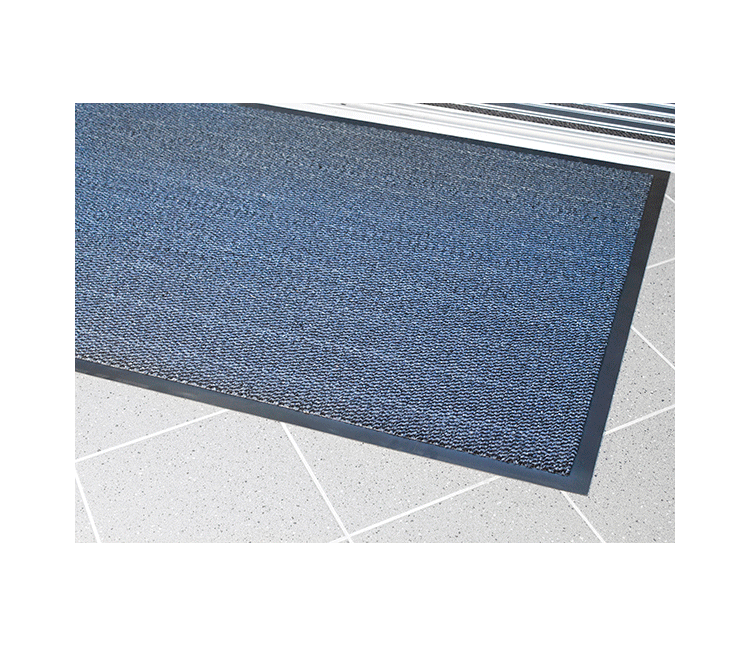
The following Mats4U entrance mats are all suitable options for helping reduce dirt and moisture being tracked indoors. Each offers different strengths depending on the level of foot traffic, desired appearance and performance requirements.


Where Entrance Mats Make the Biggest Difference
Entrance mats can be useful in many locations, but some spaces benefit especially strongly from proper dirt and moisture control.
Homes and Residential Entrances
In homes, entrance mats help reduce mud, dust and wet footprints moving into hallways, kitchens and living areas. They are especially helpful for families, pet owners and properties with direct access from gardens, driveways or busy pavements.
Offices and Reception Areas
Office entrances should look clean and professional from the first step inside. Mats help protect reception flooring, reduce wet-weather mess and improve the overall presentation of the space for staff, clients and visitors.
Retail Shops and Showrooms
Customer-facing businesses need entrances that are neat and welcoming. During rainy periods, a suitable entrance mat helps reduce water being walked across shop floors while also limiting visible outdoor dirt around the doorway.
Schools, Colleges and Public Buildings
Busy educational and public environments often face high daily foot traffic, especially during arrival and collection times. Entrance mats help control mud, moisture and dust at the doorway, supporting cleaner communal spaces.
Hotels, Hospitality and Leisure Spaces
Hotels, restaurants and leisure facilities often rely heavily on first impressions. A clean entrance supports the overall standard of the venue and helps minimise the spread of dirt into guest-facing areas.
Commercial and Industrial Interiors
In commercial buildings, the aim may be less about domestic neatness and more about safety, cleaning efficiency and protecting flooring in demanding areas. Durable entrance mats help reduce track-in at access points, staff entrances and reception zones.
How to Keep Entrance Mats Performing Well
Entrance mats are most effective when they are cared for properly. A mat that is overloaded with debris or moisture cannot perform at its best, so a simple maintenance routine is essential.
Vacuum Regularly
Frequent vacuuming removes loose dirt, dust and dry particles from the mat pile. In high-footfall spaces, this may need to be done daily. In lighter-use areas, a regular weekly routine may be sufficient depending on conditions.
Clean More Thoroughly When Needed
Where mats are exposed to persistent dirt and wet weather, deeper cleaning helps maintain appearance and performance. Cleaning requirements vary by mat type, so product-specific guidance should always be followed.
Make Sure the Mat Is Large Enough
A well-sized mat performs better than one that is too small for the doorway. In busy entrances, the mat should allow people to take several natural steps before reaching the surrounding floor.
Check the Backing and Edges
Inspect mats regularly for signs of wear, lifting edges or damage to the backing. A worn mat may no longer sit as securely as intended and should be replaced when necessary.
Use the Right Mat for the Right Traffic Level
A budget entrance mat may suit lighter daily use, while a high-traffic commercial property may need a heavier-duty or higher-absorbency option. Matching the mat to the actual demands of the entrance helps ensure better long-term value.
Frequently Asked Questions About Entrance Mats and Shoe Dirt
Q1: Why are entrance mats important?
A1: Entrance mats help reduce dirt, grit and moisture being carried further indoors on shoes. This supports cleaner floors, helps protect interior surfaces and can reduce wet-weather mess around entrances.
Q2: Do entrance mats really help with shoe dirt?
A2: Yes. Their surface fibres help scrape and trap debris from footwear, while absorbent mats can also remove moisture from wet shoes. The results are strongest when the mat is large enough, suited to the space and maintained regularly.
Q3: What type of entrance mat is best for wet weather?
A3: For wet conditions, an absorbent entrance mat is usually the best choice. Products such as MicroLuxx Absorbent Mats are designed to manage moisture in busy indoor areas, while durable options like Tri Grip Heavy-Duty Mats also provide strong all-round entrance performance.
Q4: Are entrance mats suitable for businesses as well as homes?
A4: Yes. Entrance mats are widely used in homes, offices, retail settings, schools, hospitality venues and commercial buildings. The main difference is that busier environments generally benefit from heavier-duty mats with greater resilience and dirt-holding capacity.
Q5: How often should entrance mats be cleaned?
A5: Cleaning frequency depends on foot traffic and weather conditions. High-traffic entrance mats may need daily vacuuming, while lower-use mats can often be maintained less frequently. Deeper cleaning should be carried out when the pile becomes visibly soiled or performance begins to drop.
Q6: What size entrance mat should I choose?
A6: The mat should cover enough of the natural walking path to allow footwear to make proper contact with the surface. In busy entrances, larger mats are generally more effective because they give more opportunity for dirt and moisture to be removed before people step onto the surrounding floor.
Q7: Can entrance mats help protect flooring?
A7: Yes. By trapping abrasive dirt and reducing moisture transfer, entrance mats help limit some of the material that would otherwise be walked across carpets and hard floors. This supports a cleaner indoor environment and may help reduce unnecessary floor wear over time.
Q8: Which Mats4U entrance mat is best for high foot traffic?
A8: Tri Grip Heavy-Duty Mats are designed for demanding, high-traffic indoor spaces. They offer strong dirt scraping, moisture retention, reinforced borders and a durable nitrile rubber backing, making them a solid option for busy commercial entrances.


