



In the vibrant world of UK sports, from grassroots football pitches to professional rugby stadiums, studded boots are an indispensable piece of equipment. While essential for traction and performance on soft ground, they also pose a significant challenge: tracking mud, grass, and debris into changing rooms, clubhouses, and other indoor facilities. This not only creates an unsightly mess but also presents serious safety hazards and increases cleaning costs. The solution lies in strategic and effective matting systems, specifically designed to tackle the unique demands of studded footwear.
This comprehensive guide explores why specialised matting is crucial for any facility frequented by athletes in studded boots, the types of mats that deliver superior performance, and how to implement an optimal matting strategy to ensure cleanliness, safety, and longevity of your premises.
Table of Contents
- The Persistent Problem of Dirt and Debris from Studded Footwear
- Beyond Basic Mats: Why Standard Matting Falls Short
- The Science Behind Effective Matting for Studded Boots
- Key Considerations When Choosing Mats for Studded Footwear
- Featured Product: Brush Hog Heavy Duty Outdoor Entrance Matting
- Optimising Your Facility: Strategic Matting Zones
- Featured Product: Comfort Flow Anti Microbial Rubber Mats
- Real-World Applications: Where These Mats Make a Difference
- Featured Product: TRI GRIP HEAVY-DUTY MATS
- Longevity and Maintenance: Extending the Life of Your Mats
- Conclusion: Investing in a Cleaner, Safer Environment
- Frequently Asked Questions
The Persistent Problem of Dirt and Debris from Studded Footwear
Every time a player steps off the muddy pitch and into your facility, they bring a small piece of the field with them. While seemingly minor, this accumulation of dirt, mud, and grass clippings has far-reaching consequences:
- Compromised Cleanliness and Hygiene: Mud and dirt create an unsanitary environment, harbouring bacteria and making facilities appear neglected. This can deter visitors, members, and even potential recruits. The effort and resources required for constant cleaning are considerable, diverting staff from other essential tasks and increasing operational costs.
- Significant Safety Hazards: Wet mud and grass particles on hard flooring surfaces are a primary cause of slips, trips, and falls. This risk is amplified in high-traffic areas like entrances, corridors, and changing rooms, posing a danger to players, coaches, staff, and spectators alike. Mitigating this risk is not just about aesthetics; it's a critical health and safety imperative for any responsible facility manager.
- Accelerated Damage to Flooring Surfaces: The abrasive nature of dirt and grit, combined with the hard studs of sports boots, acts like sandpaper on indoor flooring. Over time, this leads to scratches, scuffs, and accelerated wear and tear on expensive surfaces such as tiles, wood, and vinyl. Replacing or repairing damaged flooring is a significant capital expense that can be largely avoided with effective preventative measures.
- Increased Maintenance Costs and Effort: Without adequate matting, staff are forced to spend considerably more time sweeping, mopping, and deep cleaning to manage the ingress of debris. This translates directly into higher labour costs, increased consumption of cleaning supplies, and a generally less efficient operation. Investing in the right mats is an investment in reducing ongoing maintenance burdens.
- Negative Aesthetic Impression: A facility plagued by muddy footprints and scattered debris projects an unprofessional and uninviting image. This can reflect poorly on the organisation, detracting from the overall experience for everyone who uses the premises. First impressions matter, and a clean, well-maintained entrance speaks volumes about the quality of the establishment.
Beyond Basic Mats: Why Standard Matting Falls Short
Many facilities might initially resort to standard domestic or light-commercial entrance mats to combat dirt. However, these are typically inadequate for the heavy-duty demands posed by studded sports boots. The reasons for their ineffectiveness are clear:
- Lack of Aggressive Scraping Action: Standard mats often feature soft, carpet-like pile designed for light shoe traffic. They simply lack the robust, coarse fibres or heavy-duty textures required to dislodge stubborn mud, grass, and embedded dirt from boot studs.
- Limited Absorbency for Heavy Moisture: While some standard mats offer a degree of absorbency, they are quickly saturated by the sheer volume of moisture and mud brought in from a wet pitch. Once saturated, they lose their effectiveness and can even become part of the problem, contributing to slippery conditions.
- Durability Issues Under Heavy Traffic: The constant impact of studded boots and high footfall quickly breaks down the fibres and structure of conventional mats, leading to premature wear, flattening, and a diminished lifespan. This necessitates frequent replacement, negating any initial cost savings.
- Ineffectiveness Against Embedded Dirt: The design of sports studs means dirt gets lodged deep within the grooves. Standard mats cannot effectively penetrate these areas to remove the trapped debris, allowing it to be tracked further into the building.
The Science Behind Effective Matting for Studded Boots
Truly effective matting for studded footwear is engineered with specific features to address these challenges head-on. It's about more than just a piece of fabric on the floor; it's a scientifically designed barrier system:
- Dual-Action Design: Scraping and Absorbing: The most effective systems employ a two-pronged approach. The first line of defence focuses on aggressively scraping off larger debris, while the second concentrates on absorbing residual moisture and finer particles.
- Aggressive Scraper Surfaces: These mats are characterised by their rugged textures. This might include stiff, coarse bristles, tough rubber nubs, or unique geometric patterns designed to physically dislodge mud and dirt from the intricate soles and studs of sports boots. Materials like durable polypropylene or sturdy rubber are common choices here.
- High-Performance Absorbency: Once the initial heavy debris is scraped off, the next stage involves high-capacity absorbent materials. These are engineered to trap and hold significant amounts of water, fine dirt, and dissolved contaminants, preventing them from being carried further indoors. Twisted yarn constructions and dense fibre blends enhance this capability.
- Robust Construction for Durability: Given the heavy-duty environment, these mats are built to last. They feature strong backing materials, often made of rubber, that prevent cracking, curling, and movement, even under constant impact from studded boots and high footfall. Edge design is also important to prevent tripping hazards and ensure the mat lies flat.
- Anti-Slip Backing: Crucial for Safety: A mat that slides around is a greater hazard than no mat at all. Effective mats come with robust anti-slip backings, usually made of nitrile rubber, that grip the floor firmly, ensuring stability and preventing accidental slips, especially on wet surfaces.
- Ease of Cleaning and Maintenance: While highly effective at trapping dirt, these mats must also be easy to clean. Many are designed to be hosed down, vacuumed, or even machine-washed, allowing for quick and efficient removal of accumulated debris and ensuring their long-term performance and hygiene.
Key Considerations When Choosing Mats for Studded Footwear
Selecting the right matting involves more than just picking the first heavy-duty option. A strategic approach considering several factors will yield the best results:
Placement Strategy: Maximising Your Defence Zones
Think of your matting system as a series of defence zones, progressively cleaning boots as people enter:
- Outdoor Entrance Zones: This is your first line of defence. Heavy-duty scraper mats placed directly outside entrances are critical for removing the bulk of mud, grass, and coarse dirt from studs before anyone steps indoors. These mats need to be weather-resistant and robust.
- Transition Areas: Just inside the entrance, or leading into changing rooms, transition mats provide a secondary scraping action and begin the absorption process. They act as a buffer between the harsh outdoor environment and the cleaner indoor spaces.
- Indoor Reception and Corridor Areas: Finally, high-performance absorbent mats are needed in main indoor areas to capture any remaining fine dirt and moisture. These mats also contribute to the aesthetic appeal and provide comfortable footing.
Material Selection: Tailoring to Your Needs
- Rubber: Excellent for scraping, highly durable, water-resistant, and provides good anti-slip properties. Ideal for outdoor and wet areas.
- Nylon/Polypropylene: Offers superb absorbency and durability for indoor environments. These synthetic fibres are designed to withstand crushing and maintain their appearance.
Size and Coverage: Don't Underestimate the Footprint
A common mistake is using mats that are too small. For effective cleaning, a mat should allow for at least 2-3 full strides. This ensures that both feet make contact with the mat multiple times, maximising the amount of dirt and moisture removed. For wider entrances, consider using multiple mats side-by-side or a custom-sized runner.
Drainage Capabilities: Essential for Wet Conditions
For outdoor mats or those in very wet areas (e.g., wash-down zones), mats with drainage holes or an open grid design are crucial. These allow water and debris to fall through, keeping the surface clear and functional, preventing standing water and enhancing safety.
Environmental Factors: Built for the UK Climate
Outdoor mats, in particular, must be capable of withstanding the diverse UK weather – from persistent rain and frost to occasional sunshine. Look for mats with UV resistance to prevent fading and material degradation, and those designed to perform across a range of temperatures.
Featured Product: Brush Hog Heavy Duty Outdoor Entrance Matting
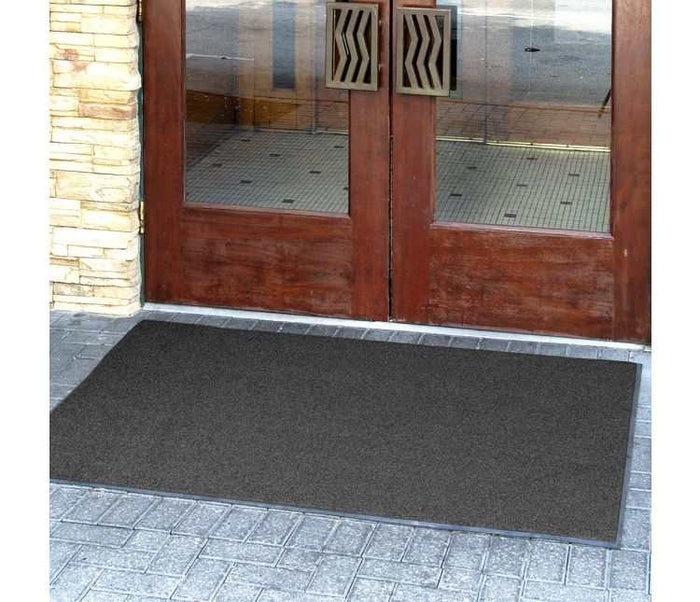
Brush Hog Heavy Duty Outdoor Entrance Matting
£60.00
The Brush Hog is an incredibly effective outdoor mat, engineered with a tough, abrasive surface that excels at scraping off heavy dirt, mud, and debris from all types of footwear, including heavily studded sports boots. Its durable construction is designed to withstand harsh outdoor conditions, making it an ideal first line of defence for sports clubs, schools, and any facility with significant foot traffic from muddy areas. It traps dirt efficiently, preventing it from ever entering your building.
View ProductOptimising Your Facility: Strategic Matting Zones
Implementing a zoned matting approach is the most effective way to prevent dirt and moisture from entering your premises. This strategy involves placing different types of mats in sequence to progressively clean footwear. We've discussed this concept in more detail in our previous article, Mats for Studs on Sports Boots?, but let's reiterate its importance with a focus on comprehensive facility optimisation.
Zone 1: The Outdoor Scraper Zone
Positioned directly outside your main entrance, this zone is dedicated to removing the coarsest debris. Mats here should be exceptionally durable, weather-resistant, and feature aggressive scraping surfaces. Their primary role is to knock off large clumps of mud, grass, and grit from studs and shoe soles before they even cross the threshold. This significantly reduces the volume of contaminants making their way indoors.
Zone 2: The Transition Zone
Immediately inside the entrance, or in key transition points like the entry to changing rooms, this zone acts as a crucial intermediary. Mats here perform a dual function: further scraping off smaller embedded dirt particles and beginning the absorption of moisture. These mats often feature a combination of coarse and finer fibres or a unique pattern that facilitates both actions. They prevent the bulk of the remaining contaminants from spreading into central areas.
Zone 3: The Indoor Absorption Zone
This final zone, typically found in reception areas, corridors, and high-traffic internal pathways, is designed to capture fine dust, residual moisture, and microscopic particles. Mats here are highly absorbent, soft underfoot, and contribute to the overall aesthetics of the indoor space. They ensure that by the time individuals reach the core of your facility, their footwear is as clean and dry as possible, protecting sensitive flooring and maintaining a pristine environment.
Featured Product: Comfort Flow Anti Microbial Rubber Mats
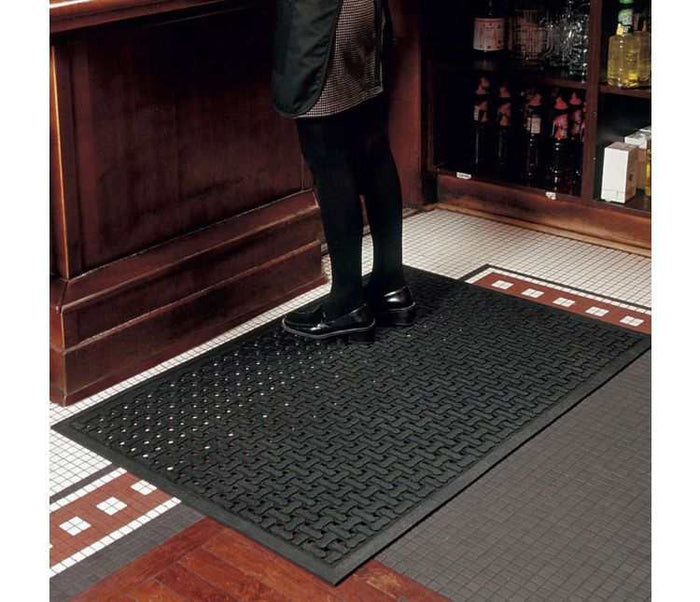
Comfort Flow Anti Microbial Rubber Mats
£56.00
Ideal for internal transition areas and changing rooms, Comfort Flow mats are made from 100% nitrile rubber, making them resistant to chemicals and oils, and inherently anti-microbial. Their open construction allows for excellent drainage, preventing water and debris from pooling on the surface, which is critical in wet environments often associated with sports facilities. These mats provide anti-fatigue properties and a secure, slip-resistant surface, making them perfect for areas where players remove or put on their boots, enhancing both comfort and safety.
View ProductReal-World Applications: Where These Mats Make a Difference
The need for effective matting for studded boots extends across a wide range of facilities. Here’s where a well-planned matting strategy truly shines:
-
Sports Stadiums and Arenas:
From the tunnel leading to the pitch to the player changing rooms and VIP hospitality areas, high-performance matting is essential. It protects valuable interior flooring, maintains high standards of cleanliness for players and visitors, and enhances safety in busy, often wet, environments. Entrances, corridors, and even specific areas within club shops benefit from robust matting solutions.
-
Local Sports Clubs (Football, Rugby, Hockey, etc.):
Grassroots clubs, often with limited cleaning budgets, stand to gain immensely. Effective matting reduces the burden on volunteers and staff, keeps clubhouses tidy, and creates a more welcoming atmosphere for members and their families. Crucially, it also prolongs the life of flooring in changing rooms, communal areas, and bar areas, saving on costly repairs.
-
Schools and Universities:
Educational institutions with sports fields or astroturf pitches face similar challenges. Matting at entrances to sports halls, gyms, and changing facilities prevents mud from being tracked into classrooms and administrative blocks. This helps maintain a cleaner learning environment and reduces slip hazards for students and staff.
-
Leisure Centres and Gyms:
While not all gym-goers wear studded boots, those who transition from outdoor activities or utilise specific sports facilities within a leisure centre will benefit. Robust mats ensure the cleanliness and safety of all communal areas, from reception to changing rooms.
-
Industrial and Construction Sites:
Although not directly sports-related, these environments often face analogous challenges with heavy-duty, muddy footwear. Workers tracking in dirt and debris from outdoor sites can create similar safety and cleanliness issues. Heavy-duty scraper and absorbent mats are equally vital here for maintaining site safety and preventing damage to internal structures.
Featured Product: TRI GRIP HEAVY-DUTY MATS
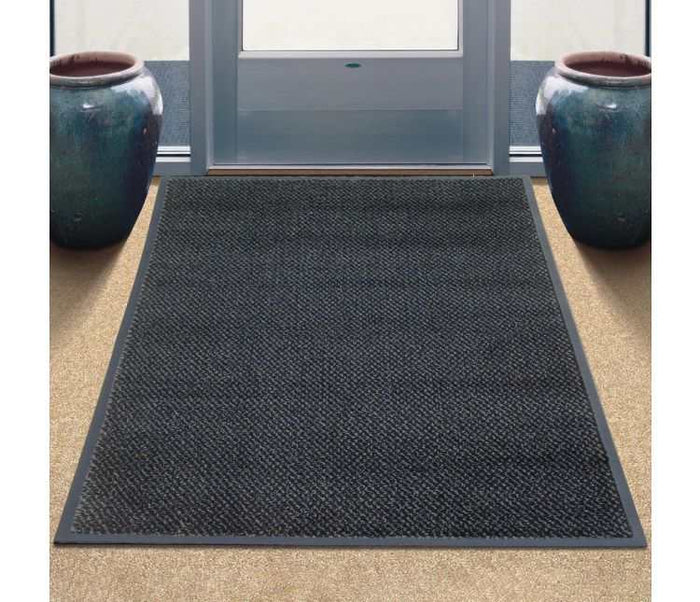
TRI GRIP HEAVY-DUTY MATS
£51.00
The TRI GRIP HEAVY-DUTY MATS are an excellent choice for demanding indoor and sheltered outdoor entrances. Featuring a robust, crush-resistant pile that effectively scrapes dirt and absorbs moisture, these mats are designed to endure high traffic and studded footwear. Their unique pattern ensures that debris is trapped deep within the mat, preventing it from spreading. With a strong nitrile rubber backing for superior grip and durability, Tri Grip mats offer a long-lasting, high-performance solution for maintaining clean and safe entrances.
View ProductLongevity and Maintenance: Extending the Life of Your Mats
To ensure your matting system remains effective and provides maximum return on investment, regular maintenance is paramount. While robust, even the best mats require attention:
- Regular Shaking or Vacuuming: For indoor mats, frequent vacuuming helps remove loose dirt and debris, preventing it from becoming embedded. Outdoor scraper mats can often be shaken vigorously to dislodge dry mud and grit.
- Hosing Down Outdoor Mats: For heavy-duty outdoor mats, a simple hose down with water is often sufficient to remove accumulated mud and grime. Allow them to dry thoroughly before returning them to position.
- Machine Washing (if applicable): Some smaller, lighter-duty mats can be machine washed, but always check manufacturer instructions. This is a good option for deep cleaning and sanitation.
- Proper Storage: If mats are removed seasonally or for specific events, ensure they are cleaned and stored dry in a manner that prevents creasing or damage.
- Scheduled Deep Cleaning: Periodically, all mats will benefit from a more thorough deep clean to maintain their scraping and absorbing capabilities. This might involve pressure washing for rubber mats or professional cleaning services for larger textile mats.
Conclusion: Investing in a Cleaner, Safer Environment
The challenges posed by studded sports boots are significant, but the solutions are straightforward and highly effective. By implementing a well-thought-out, zoned matting system with products specifically designed for heavy-duty dirt and moisture, UK sports clubs, schools, leisure centres, and commercial facilities can dramatically improve cleanliness, enhance safety, reduce maintenance costs, and extend the lifespan of their flooring.
Investing in quality mats for studded footwear isn't just an expense; it's a strategic decision that safeguards your property, protects your people, and upholds the professional image of your organisation. Don't let dirt from the pitch compromise the integrity of your indoor spaces. Explore the extensive range of high-performance matting solutions available at Mats4U and make the smart choice for a cleaner, safer future.
Frequently Asked Questions
Q1: Why can't I just use any standard door mat for sports boots?
A1: Standard door mats are designed for lighter traffic and general dirt removal, not the aggressive scraping needed to dislodge heavy mud and grass from deeply grooved sports studs. They quickly become saturated, lose effectiveness, and wear out much faster under the severe conditions posed by studded footwear, offering minimal protection against dirt ingress and slip hazards.
Q2: How many mats do I need to effectively clean studded boots?
A2: For optimal effectiveness, a zoned matting system is recommended, typically involving at least two to three mats in sequence. This includes a heavy-duty outdoor scraper mat, followed by a transition mat just inside the entrance, and finally a high-absorbency indoor mat. This multi-stage approach ensures progressive cleaning and moisture removal.
Q3: What materials are best for mats designed for studded boots?
A3: Durable materials like high-grade rubber (for aggressive scraping and outdoor resilience) and tough synthetic fibres such as polypropylene or nylon (for effective indoor absorption and crushing resistance) are ideal. These materials are chosen for their ability to withstand heavy use, harsh elements, and aggressive cleaning actions.
Q4: How do these mats help prevent slips and falls?
A4: Effective mats for studded boots reduce slip and fall risks in several ways: by aggressively scraping mud and debris from footwear, by absorbing large quantities of moisture, and by featuring robust anti-slip backings that keep the mats securely in place. This combination prevents wet, muddy surfaces indoors, which are primary causes of accidents.
Q5: How do I clean and maintain these heavy-duty mats?
A5: Maintenance depends on the mat type. Outdoor scraper mats can typically be hosed down and allowed to dry. Indoor absorbent mats benefit from regular vacuuming, and some smaller ones might be machine washable. For larger installations, periodic professional cleaning or pressure washing (for rubber mats) will ensure their longevity and performance. Always refer to the manufacturer's specific cleaning instructions.
Connect With Us
Stay updated with the latest matting solutions and expert advice by following us on social media:


