



As the crisp autumn air gives way to the often harsh realities of a British winter, businesses across the UK face a unique set of challenges. From relentless rain and persistent dampness to mud, grit, and the occasional flurry of snow and ice, the elements conspire to compromise the cleanliness, safety, and professional appearance of commercial premises. This is where the strategic deployment of outdoor entrance mats becomes not just a convenience, but an absolute necessity for any forward-thinking establishment. Far more than simple doormats, these engineered solutions are the first line of defence against winter's onslaught, playing a pivotal role in maintaining pristine interiors, preventing costly slip-and-fall incidents, and even reinforcing your brand identity right from the threshold.
In this comprehensive guide, we delve into the critical importance of outdoor entrance mats specifically tailored for the UK winter, exploring their essential features, the diverse materials they employ, and how to select, install, and maintain them for optimal performance. We'll examine how these robust mats contribute to a safer environment, protect your flooring investments, and subtly enhance your business's image, proving themselves indispensable assets in the colder months. Drawing on expert insights, we will provide you with the knowledge to make informed decisions, ensuring your business remains clean, safe, and welcoming, regardless of what the notoriously unpredictable British weather throws its way. For further foundational insights, you might also find value in our previous discussion on essential outdoor entrance mats for winter.
Table of Contents
- The Unseen Battleground: Why Outdoor Entrance Mats Are Non-Negotiable for UK Winters
- Decoding Outdoor Matting: Key Features and Materials
- Beyond Function: The Power of Branded Outdoor Mats
- Choosing the Right Outdoor Mat: A Strategic Approach
- Installation and Maintenance: Ensuring Peak Performance
- Legal and Safety Compliance in the UK
- Conclusion: Safeguarding Your Business, One Mat at a Time
- Frequently Asked Questions (FAQs)
The Unseen Battleground: Why Outdoor Entrance Mats Are Non-Negotiable for UK Winters
The entrance to any commercial property serves as a critical interface between the external environment and your internal operations. During the UK winter, this interface becomes a battleground where mud, moisture, and debris wage a constant war against your facility's cleanliness and safety. Without adequate protection, your floors, customers, and reputation are all at risk. Outdoor entrance mats act as the vigilant sentinels, intercepting these threats before they can breach your premises.
The UK Winter Challenge: Mud, Water, and Ice
British winters are notoriously damp and often bleak. Rain is a constant companion, turning pavements and paths into muddy trails, while melting frost and snow contribute to pervasive wetness. This mixture of water, mud, grit, and decaying leaves is readily tracked indoors by every visitor and employee. Not only does this grime necessitate frequent and costly cleaning, but it also creates an unsightly and unprofessional appearance that can deter potential customers. A high-quality outdoor mat is engineered to scrape and trap this coarse dirt, preventing it from migrating further into your building. Its robust surface designs, often featuring deep grooves or abrasive textures, are specifically designed to dislodge stubborn debris from shoe soles, ensuring a cleaner foot-traffic path.
Prioritising Safety: Preventing Slips and Falls
Perhaps the most critical function of an outdoor entrance mat during winter is its role in preventing slips, trips, and falls. Wet and muddy floors are significant hazards, and in the UK, businesses have a legal and moral obligation to ensure the safety of anyone on their premises. A single slip can lead to serious injury, costly insurance claims, and damage to your business's reputation. Outdoor mats, particularly those made from durable rubber or with highly effective scraping surfaces, provide crucial traction even in wet and icy conditions. Their anti-slip backing ensures the mat itself stays securely in place, adding an extra layer of stability. By dramatically reducing the amount of moisture and slippery debris carried indoors, these mats create a safer transition zone, safeguarding both your customers and your team.
Preserving Interiors: Stopping Dirt at the Door
Beyond immediate safety concerns, the continuous influx of outdoor contaminants takes a heavy toll on your interior flooring. Abrasive grit and sharp debris can scratch, scuff, and wear down expensive carpets, hardwood, laminate, and tiled surfaces prematurely. The constant presence of moisture can also lead to discolouration, mould growth, and structural damage over time, especially in areas with heavy footfall. Investing in effective outdoor matting is a proactive measure that significantly extends the lifespan of your interior flooring, reducing the need for expensive repairs, deep cleaning, or premature replacement. It’s an investment that pays dividends in both aesthetics and economics, keeping your indoor spaces looking their best with less effort.
Extending Mat Lifespan: The Two-Mat System Explained
For ultimate protection and longevity, many experts recommend a 'two-mat system'. This involves an aggressive outdoor mat specifically designed to scrape off the majority of coarse dirt and moisture, followed by an indoor mat whose primary function is to absorb residual moisture and finer particles. This layered approach ensures that both mats perform their specialised roles effectively, preventing either mat from becoming saturated or overwhelmed. The outdoor mat bears the brunt of the heavy cleaning, thereby extending the life and effectiveness of your indoor matting and ensuring that your entrance remains impeccably clean and safe throughout the winter months. This strategic pairing is particularly effective in the UK where the weather can be consistently challenging, ensuring that both the heavy mud and the finer moisture are dealt with comprehensively.
Decoding Outdoor Matting: Key Features and Materials
Choosing the correct outdoor entrance mat requires an understanding of the materials and features that make them effective against the unique challenges of UK winters. Not all mats are created equal, and what works well in a dry climate may fail miserably under consistent British dampness and mud.
Material Matters: Rubber, Scraper Pile, and Coir Alternatives
The material composition is paramount for outdoor mats. Rubber mats are a cornerstone in this category due to their exceptional durability, weather resistance, and heavy-duty scraping capabilities. Natural or nitrile rubber can withstand extreme temperatures, resist chemicals, and provide superior grip. Their textured surfaces, often with raised patterns or drainage holes, are excellent at scraping off mud, snow, and large debris. Many also offer impressive anti-fatigue properties, which is a bonus for staff who stand for extended periods.
Scraper pile mats, typically made from robust synthetic fibres like polypropylene or nylon, offer a combination of scraping and absorption. They are designed with stiff, abrasive bristles that aggressively remove dirt, while also having some capacity to wick away moisture. While traditional coir mats are natural and effective scrapers, they can struggle with excessive moisture and tend to degrade faster in continuous wet outdoor conditions, making modern synthetic alternatives often a more practical choice for harsh UK winters.
Drainage Capabilities: Essential for UK Rain
One of the most critical features for any outdoor mat in the UK is effective drainage. Without it, mats can quickly become saturated, waterlogged, and ineffective, turning into a slippery hazard themselves. Mats designed with perforations, raised nubs, or an open grid construction allow water to drain through, preventing pooling on the mat's surface. This keeps the walking surface drier and ensures the mat continues to function efficiently even during heavy rainfall. Good drainage also helps prevent bacterial growth and extends the life of the mat by keeping it from sitting in standing water.
Durability and Weather Resistance: Standing Up to the Elements
An outdoor mat must be built to endure. It needs to withstand constant foot traffic, UV radiation from the occasional winter sun, extreme temperature fluctuations from freezing to milder days, and prolonged exposure to moisture without cracking, fading, or deteriorating. High-quality rubber and heavy-duty synthetic materials are specifically chosen for these properties, ensuring the mat remains robust and functional throughout the entire winter season and beyond. Look for mats that explicitly state their weather-resistant properties and suitability for all-season outdoor use to guarantee longevity and performance.
Anti-Slip Properties: Grip in Icy Conditions
The primary safety feature of an outdoor mat is its anti-slip capability. This applies not only to the surface that pedestrians walk on but also to the mat's backing. The walking surface should provide aggressive traction, often achieved through intricate tread patterns or abrasive textures, to prevent slips even when shoes are wet or muddy. Equally important is an anti-slip backing, typically made of heavy-duty rubber, which ensures the mat stays firmly in place on the ground, preventing it from shifting or bunching up. This dual-action anti-slip design is crucial for safety, especially when paths become slick with ice or packed snow. Investing in mats with certified anti-slip ratings offers peace of mind and enhanced protection for everyone entering your premises.
Beyond Function: The Power of Branded Outdoor Mats
While the functional benefits of outdoor entrance mats during winter are undeniable, their role extends far beyond mere practicality. In today's competitive commercial landscape, every touchpoint with a customer is an opportunity to reinforce your brand. Branded outdoor mats offer a subtle yet powerful way to make a memorable first impression, communicating professionalism and attention to detail from the very first step.
First Impressions: Reinforcing Your Brand Identity
Your business entrance is the literal threshold to your brand experience. A custom-designed outdoor mat featuring your company logo or colours instantly elevates this space. It's a visual statement that says, "We pay attention to detail, and we care about our presentation." This immediate reinforcement of your brand identity can subtly influence customer perception, fostering a sense of professionalism and reliability before they even step inside. It transforms a mundane item into a strategic marketing tool, setting the tone for the entire visitor experience.
Professionalism and Trust: A Subtle Statement
A well-maintained, branded entrance mat speaks volumes about your business's commitment to quality and customer care. It suggests an organised, professional establishment that takes pride in its appearance and the safety of its visitors. This subtle statement builds trust, showing that you value your premises and, by extension, your clients. In a competitive market, such attention to detail can differentiate your business, conveying an image of trustworthiness and stability that resonates with both existing and potential customers.
Bespoke Solutions: Customisation for Your Business
The beauty of branded mats lies in their customisation potential. Modern manufacturing techniques allow for high-resolution reproduction of intricate logos, specific colour palettes, and unique designs directly onto robust outdoor matting materials. This means you're not limited to generic options but can create a bespoke solution that perfectly aligns with your corporate identity and aesthetic. Whether it's a vibrant logo against a contrasting background or a subtle tone-on-tone design, the possibilities are vast, ensuring your outdoor mat is not just functional but a true extension of your brand.
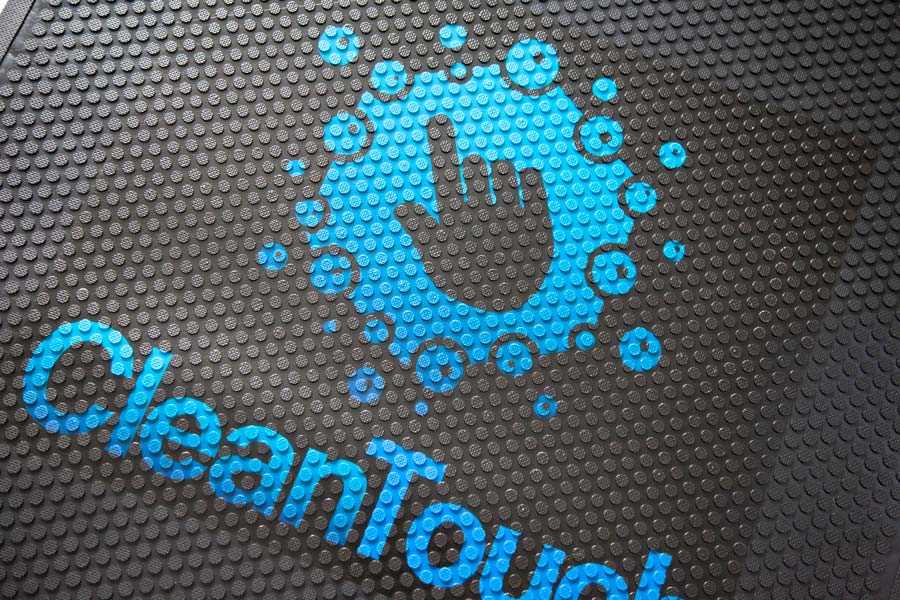
Superscrape Impressions Rubber Logo Mats
Price: £100
Make an unforgettable first impression with our Superscrape Impressions Rubber Logo Mats. Crafted from durable nitrile rubber, these mats are engineered for aggressive scraping action, effectively removing dirt and moisture from footwear before it enters your premises. Customise them with your company logo to enhance brand visibility and convey a professional image. Ideal for high-traffic outdoor areas, they offer excellent slip resistance and are built to withstand the harshest UK weather conditions, ensuring both safety and a striking welcome.
View ProductChoosing the Right Outdoor Mat: A Strategic Approach
Selecting the ideal outdoor entrance mat is a strategic decision that factors in numerous variables. A well-chosen mat will perform effectively, integrate seamlessly with your premises, and provide long-term value. Conversely, an unsuitable choice can lead to disappointment, inefficiency, and potentially safety issues.
Assessing Your Environment: Footfall, Weather Exposure, and Aesthetics
Begin by thoroughly assessing your specific environment. Consider the average daily footfall – high-traffic areas demand more robust, heavy-duty mats capable of withstanding constant wear and tear. Evaluate the level of weather exposure; is your entrance fully exposed to the elements, or does it have some overhead protection? Mats for fully exposed areas need superior UV and water resistance. Finally, don't overlook aesthetics. The mat should complement the architectural style and branding of your building, acting as an enhancement rather than a distraction. A busy retail store's needs will differ significantly from those of a corporate office or a small independent shop.
Sizing and Placement: Maximising Effectiveness
The size and precise placement of your outdoor mat are critical to its effectiveness. A mat that is too small will be easily bypassed, failing to capture dirt and moisture. Ideally, the mat should be wide enough to cover the entire width of the doorway and long enough to allow for at least two to three full footfalls. This ensures that most, if not all, of the debris is removed from shoes before entering. Consider the approach to your entrance – is there a natural pathway where the mat can be laid to intercept traffic effectively? Proper placement also involves ensuring the mat lies flat and does not create a trip hazard itself. For multi-door entrances or wide lobbies, multiple mats may be necessary to provide comprehensive coverage.
Maintenance and Longevity: Keeping Your Mats in Top Condition
Even the most robust outdoor mat requires regular maintenance to retain its effectiveness and extend its lifespan. Neglecting maintenance can turn an effective scraper into a soggy, dirty obstacle. Establish a routine for cleaning your mats, which might involve regular shaking, vacuuming, hosing down, or even pressure washing, depending on the material and level of soiling. Ensure proper drying after cleaning to prevent mould and mildew growth. Understanding the expected longevity of different mat types can also inform your choice, allowing you to balance initial cost with long-term performance and replacement cycles. A well-maintained mat isn't just about appearance; it's about ensuring its scraping and anti-slip properties remain fully functional.

Outdoor Heavy-Duty Logo Mat
Price: £67
For businesses that demand uncompromising durability and prominent branding, our Outdoor Heavy-Duty Logo Mat is the ultimate solution. Engineered from robust materials designed to withstand extreme weather and heavy foot traffic, this mat effectively scrapes and traps dirt, grit, and moisture. Showcase your company logo with clarity and impact, ensuring a powerful first impression while maintaining a clean and safe entrance. It's an investment in both safety and corporate identity, built to perform in the toughest outdoor environments.
View ProductInstallation and Maintenance: Ensuring Peak Performance
The effectiveness of an outdoor entrance mat is not solely dependent on its quality; proper installation and consistent maintenance are equally crucial. A perfectly chosen mat can underperform or even become a hazard if not correctly managed. Establishing clear protocols for these aspects will ensure your mats deliver maximum benefit throughout the challenging winter months and beyond.
Proper Placement for Maximum Impact
Correct placement is the foundation of an effective matting system. Your outdoor mat should be positioned flush with the ground, or within a mat well if one is available, to eliminate trip hazards. It needs to cover the primary footfall path, ideally spanning the entire width of the entrance. For optimal scraping, ensure enough length for at least two to three full strides; this allows sufficient contact time for dirt and moisture to be removed from shoes. If the entrance is sloped or prone to strong winds, consider a heavier mat or one with anchoring options to prevent movement. Think about the direction people approach the entrance from and place the mat to intercept traffic naturally, guiding visitors across its surface rather than allowing them to bypass it.
Simple Cleaning Routines for Longevity
Outdoor mats, by their very nature, are designed to get dirty. Therefore, a regular cleaning regimen is essential to prevent them from becoming saturated with debris, which diminishes their effectiveness and aesthetic appeal. For most heavy-duty rubber mats, simple daily or weekly maintenance involves shaking out loose dirt, sweeping with a stiff broom, or vacuuming to remove surface grit. For deeper cleaning, hosing down the mat with water, perhaps with a mild detergent for stubborn stains, is often sufficient. For particularly soiled mats, a pressure washer can be highly effective, but always check the manufacturer's guidelines to avoid damage. Ensure the mat is thoroughly dried before being put back into service, especially in colder weather, to prevent freezing and to deter mould and mildew growth. Consistent cleaning not only keeps the mat working efficiently but also significantly extends its functional life.
When to Replace: Signs Your Mat Needs an Upgrade
No mat lasts forever, especially one subjected to the rigours of a UK winter. Knowing when to replace your outdoor entrance mat is key to maintaining safety and cleanliness standards. Look for visible signs of wear and tear: thinning or flattened scraping surfaces mean the mat is no longer effective at removing dirt. Cracks, tears, or curled edges are not only unsightly but can also become trip hazards. If the anti-slip backing is worn or no longer grips the floor securely, the mat poses a significant risk. Excessive fading or degradation of colours, particularly for branded mats, can detract from your business's professional image. A mat that consistently looks soggy, takes too long to dry, or retains unpleasant odours despite cleaning is also past its prime. Timely replacement is a small investment compared to the potential costs of an accident or the negative impact on your business's reputation.
Legal and Safety Compliance in the UK
In the United Kingdom, businesses operate under stringent health and safety regulations, with a clear legal obligation to ensure the well-being of employees, customers, and visitors. The use of appropriate outdoor entrance matting plays a crucial role in meeting these compliance requirements, particularly during the hazardous winter months.
Health and Safety at Work Act (1974)
At the core of UK workplace safety legislation is the Health and Safety at Work etc. Act 1974. This Act places a duty on employers to ensure, so far as is reasonably practicable, the health, safety, and welfare of all their employees and others who may be affected by their work activities. This broad duty includes maintaining safe premises. Wet, muddy, or icy entranceways directly contradict this principle, creating foreseeable risks of slips and falls. By implementing robust outdoor matting solutions, businesses demonstrate a proactive commitment to fulfilling their obligations under this fundamental piece of legislation, significantly reducing the likelihood of accidents related to environmental hazards.
Duty of Care and Public Liability
Beyond specific statutes, every business has a common law 'duty of care' to its visitors. This means taking reasonable steps to prevent harm to individuals lawfully on their property. Failure to do so can lead to claims of negligence. In the event of a slip, trip, or fall incident caused by a wet or dirty entrance, a business could face a public liability claim. Such claims can result in substantial financial penalties, increased insurance premiums, and severe reputational damage. High-quality outdoor mats are tangible evidence that a business has taken reasonable and practical steps to mitigate such risks, providing a strong defence against potential legal action and demonstrating adherence to their duty of care.
Minimising Risk, Maximising Compliance
Implementing a comprehensive matting strategy is a practical and effective way to minimise risk and maximise compliance with UK health and safety laws. It shows due diligence and a commitment to maintaining a safe environment. By actively managing the hazards associated with winter weather – namely, water, mud, and ice – businesses can protect their visitors from injury and themselves from legal repercussions. Regular inspection and maintenance of these mats further reinforce this commitment, demonstrating that safety is an ongoing priority. Ultimately, an effective matting system is not just about cleanliness; it's an integral component of a robust risk management strategy that supports legal compliance and fosters a safe, welcoming environment for everyone.
Frequently Asked Questions (FAQs)
Q1: Why are outdoor entrance mats particularly important for UK businesses during winter?
A1: UK winters bring a unique combination of rain, mud, grit, and potential ice. Outdoor entrance mats are crucial because they act as the first line of defence, aggressively scraping off the majority of dirt and moisture from footwear before it enters the building. This prevents slips and falls, protects interior flooring from damage, and reduces cleaning costs, all while maintaining a professional appearance.
Q2: What materials are best for outdoor entrance mats in heavy UK winter conditions?
A2: For robust performance in heavy UK winter conditions, mats made from durable materials like nitrile rubber are highly recommended. These materials offer excellent weather resistance, superior scraping capabilities, and maintain their integrity in extreme temperatures and constant moisture. Heavy-duty synthetic scraper pile mats are also effective for their combined scraping and moisture-wicking properties.
Q3: How do outdoor logo mats benefit a business beyond just cleaning?
A3: Outdoor logo mats offer significant branding advantages. They create a strong first impression, reinforcing your company's brand identity and professional image right at the entrance. This subtle marketing tool can enhance customer perception, build trust, and differentiate your business from competitors by demonstrating attention to detail and commitment to quality.
Q4: How often should outdoor entrance mats be cleaned during winter?
A4: The frequency of cleaning depends on footfall and weather conditions, but a general guideline for winter is daily to weekly. In high-traffic areas or during periods of exceptionally bad weather, daily shaking, sweeping, or vacuuming may be necessary. A deeper clean, such as hosing down or pressure washing, should be performed weekly or bi-weekly to remove stubborn dirt and ensure optimal performance. Always ensure the mat is thoroughly dried.
Q5: What are the key considerations for sizing an outdoor entrance mat?
A5: The mat should be wide enough to cover the entire width of the doorway to prevent bypassers. More importantly, it should be long enough to allow for at least two to three full footfalls. This ensures adequate contact time for shoes to be cleaned effectively. Proper sizing is critical to maximise dirt and moisture capture and prevent the mat itself from becoming a trip hazard.
Q6: What UK legal obligations do businesses have regarding safe entranceways in winter?
A6: Under the Health and Safety at Work etc. Act 1974, businesses have a legal duty to ensure, so far as is reasonably practicable, the health, safety, and welfare of their employees and visitors. This includes maintaining safe premises, free from foreseeable hazards like wet, muddy, or icy entranceways. Failure to implement reasonable measures, such as adequate matting, can lead to claims of negligence and public liability issues. It is part of a business's duty of care to prevent slips, trips, and falls.
Connect with us on social media:


