



Wet areas in any commercial or public setting present a unique challenge: the constant battle against slips, trips, and falls, compounded by the imperative for rigorous hygiene. From bustling commercial kitchens and vibrant leisure centres to demanding industrial facilities and pristine healthcare environments, standing water, oils, and other liquids create hazardous conditions that can have serious repercussions. In the United Kingdom, where health and safety regulations are stringent, selecting the right wet area matting isn't just about convenience; it's a critical investment in safety, compliance, and operational efficiency.
This comprehensive guide delves deep into the world of wet area mats, offering expert insights for UK businesses aiming to mitigate risks, enhance hygiene, and improve workplace comfort. We will explore the various types of mats available, the materials they're made from, essential features to consider, and their diverse applications across a multitude of industries. Ultimately, our aim is to equip you with the knowledge to make informed decisions that safeguard your employees, customers, and business reputation.
Understanding the Risks: Why Wet Areas Demand Specialist Matting
The presence of water, grease, oil, or chemicals on floors is an omnipresent hazard in many UK workplaces. A seemingly innocuous puddle can transform a bustling pathway into a treacherous environment, leading to severe consequences.
Potential Hazards
- Slips, Trips, and Falls: These are the most common and immediate risks. Wet surfaces drastically reduce friction, making slips inevitable without adequate preventative measures.
- Bacterial Growth and Contamination: Stagnant water creates an ideal breeding ground for bacteria, fungi, and mould, posing significant hygiene risks, especially in food preparation, healthcare, and leisure facilities.
- Fatigue: Prolonged standing on hard, unforgiving wet surfaces can lead to discomfort, muscle strain, and chronic fatigue for workers, impacting their productivity and long-term health.
- Floor Damage: Constant moisture can degrade flooring materials over time, leading to costly repairs and premature replacement.
Legal and Financial Implications in the UK
In the UK, employers have a legal obligation under the Health and Safety at Work Act 1974 to ensure, so far as is reasonably practicable, the health, safety, and welfare of their employees and others who may be affected by their work activities. Specifically, the Workplace (Health, Safety and Welfare) Regulations 1992 mandate that floors must be suitable, in good condition, and free from obstructions and substances which may cause a person to slip, trip, or fall.
Failure to adhere to these regulations can result in:
- Prosecution: Health and Safety Executive (HSE) investigations can lead to fines, enforcement notices, and even imprisonment in severe cases.
- Civil Claims: Injured individuals can pursue personal injury claims, leading to significant compensation payouts, legal fees, and increased insurance premiums.
- Reputational Damage: Incidents can harm a business's public image, erode customer trust, and negatively impact employee morale.
- Lost Productivity: Employee absences due to injury, coupled with the disruption caused by investigations, can significantly affect operational efficiency.
Investing in appropriate wet area matting is not merely a precautionary measure; it is a fundamental component of a responsible risk management strategy, protecting both people and profits.
The Anatomy of Safety: Different Types of Wet Area Mats
Wet area mats are not a one-size-fits-all solution. Their design and functionality are tailored to address specific challenges posed by different environments.
Drainage Mats
The primary function of drainage mats is to channel liquids away from the standing surface, preventing pooling and maintaining a dry and safe area. They typically feature open-grid designs, raised studs, or perforations that allow water, oil, and other debris to fall through or flow underneath the mat, keeping the top surface clear. This design is crucial in environments where spills are frequent and unavoidable, such as commercial kitchens, bars, and industrial washdown areas.
Anti-Slip Mats
While most wet area mats offer some degree of slip resistance, dedicated anti-slip mats are engineered with highly textured surfaces, often incorporating patterns, ridges, or abrasive additives to maximise grip. These mats are indispensable in areas with heavy foot traffic, such as changing rooms, swimming pool surrounds, and entryways where moisture is tracked in from outside. Their goal is to significantly increase the coefficient of friction between footwear (or bare feet) and the floor, even when wet.
Anti-Fatigue Mats
For workers who spend long hours standing in wet environments, anti-fatigue mats are a game-changer. These mats incorporate cushioning properties that encourage subtle muscle movements, promoting blood circulation and reducing pressure on the feet, legs, and back. While primarily focused on comfort, anti-fatigue mats designed for wet areas also integrate drainage and anti-slip features, making them a multi-functional solution for commercial kitchens, assembly lines, and industrial workstations.
Hybrid Solutions
Many modern wet area mats combine elements of all three types, offering drainage, superior slip resistance, and anti-fatigue benefits. These versatile mats represent the pinnacle of wet area safety, providing a holistic solution for complex environments.
Choosing the Right Foundation: Materials for Wet Area Mats
The material composition of a wet area mat dictates its performance, durability, and suitability for specific environments. Understanding the properties of common materials is key to making an informed choice.
PVC (Polyvinyl Chloride)
PVC is a popular choice for wet area matting due to its excellent resistance to water, chemicals, and oils. It is lightweight, flexible, and often used to create open-grid or interlocking tile designs. PVC mats are known for their durability and ease of cleaning, making them ideal for areas like changing rooms, shower blocks, and some commercial kitchens. They can be engineered with various textures to enhance slip resistance and are often comfortable underfoot.
Natural and Synthetic Rubber
Rubber mats offer exceptional grip, durability, and resilience. Natural rubber provides superior elasticity and comfort, making it an excellent choice for anti-fatigue mats in demanding wet environments. However, it can be susceptible to degradation from oils and certain chemicals. Synthetic rubbers, such as Nitrile, are engineered to overcome these limitations, offering enhanced resistance to grease, oils, and industrial chemicals. This makes Nitrile rubber mats indispensable in commercial kitchens, food processing plants, and manufacturing facilities where oil and chemical spills are prevalent.
Polypropylene and Other Composites
While less common for heavy-duty wet areas, polypropylene and other synthetic composites can be found in some lighter-duty wet area mats, particularly those designed for specific chemical resistance or UV stability in outdoor applications. These materials can offer good drainage and slip resistance but may not provide the same level of anti-fatigue comfort or robust durability as rubber or PVC for high-traffic, continuously wet environments.
Critical Considerations: Key Features of Effective Wet Area Matting
Beyond the basic material and type, several critical features distinguish effective wet area mats from substandard alternatives.
Superior Slip Resistance (R-Ratings Explained)
The most crucial characteristic of any wet area mat is its ability to prevent slips. Slip resistance is often quantified using R-ratings (R9 to R13), a European standard that measures the coefficient of friction on sloped surfaces under various conditions. A higher R-rating indicates greater slip resistance:
- R9: Minimal slip resistance, suitable for dry areas.
- R10: Standard slip resistance for general dry to slightly damp areas.
- R11: Good slip resistance, suitable for areas with occasional wetness.
- R12: High slip resistance, ideal for consistently wet areas like commercial kitchens and industrial washdown zones.
- R13: Very high slip resistance, for extremely slippery environments with oils, grease, or heavy water flow.
Choosing the correct R-rating is paramount; always assess the specific risk level of your environment.
Efficient Drainage Capabilities
Effective drainage is vital to prevent water pooling on the mat's surface. This is achieved through:
- Open Grid Designs: Large holes or patterns that allow liquids to pass through rapidly.
- Raised Profiles: Elevated surfaces that keep workers' feet above the wet floor.
- Flow-Through Channels: Structures on the underside that facilitate the movement of water away from the mat.
Uncompromising Hygiene and Cleanability
In environments where hygiene is paramount, such as healthcare or food service, mats must be easy to clean and resistant to bacterial growth. Look for features like:
- Smooth, Non-Porous Surfaces (on some designs): To prevent bacterial absorption.
- Antimicrobial Properties: Mats treated to inhibit the growth of bacteria, fungi, and mould.
- Ease of Washing: Mats that can be hosed down, steam cleaned, or even machine washed.
Enhanced Comfort and Anti-Fatigue Properties
For prolonged standing, mats should offer cushioning. Air pockets, cellular structures, or thick rubber compounds provide the necessary resilience to:
- Reduce Muscle Strain: Decreasing pressure on joints and muscles.
- Improve Circulation: Encouraging subtle shifts in posture.
- Boost Morale: Leading to more comfortable and productive employees.
Even in wet environments, anti-fatigue properties can be integrated effectively.
Durability and Longevity for Demanding Environments
Wet area mats must withstand harsh conditions, including:
- Heavy Foot Traffic: Resisting wear and tear from constant movement.
- Chemical Exposure: Maintaining integrity when exposed to cleaning agents, oils, or industrial chemicals.
- Temperature Extremes: Performing consistently in hot kitchens or cold storage areas.
- Tear and Abrasion Resistance: Preventing premature breakdown.
Ease of Installation and Customisation
Consider whether you need:
- Modular/Interlocking Tiles: For creating custom shapes and sizes or replacing individual worn sections.
- Rolls: For covering large, continuous areas.
- Bevelled Edges: To prevent tripping hazards and allow wheeled traffic.
Simplicity of Maintenance
Mats that are easy to maintain save time and resources. Features include:
- Lightweight Design: For easy lifting and cleaning underneath.
- Hose-Down Capability: Simple to clean with water and detergent.
- Chemical Resistance: Allowing for thorough disinfection without degradation.
Applications Across Industries: Where Wet Area Mats Excel
The versatility of wet area mats means they are indispensable across a wide spectrum of UK industries.
Commercial Kitchens and Food Preparation Areas
These environments are a prime example of high-risk wet areas, with constant spills of water, oils, and food debris. Anti-fatigue, anti-slip drainage mats made from Nitrile rubber are essential here, providing grip, comfort for standing staff, and efficient removal of liquids to prevent contamination and accidents. They are also crucial for maintaining hygiene standards as required by food safety regulations.
Swimming Pools, Saunas, and Leisure Centres
Barefoot traffic on wet, tiled surfaces presents an extreme slip hazard. Mats designed for these areas require exceptional grip, often featuring soft, comfortable surfaces that are resistant to chlorine and fungal growth. They must provide excellent drainage to prevent pooling around pool edges, in changing rooms, and in shower areas, ensuring the safety and comfort of guests.
Changing Rooms and Shower Facilities
Similar to leisure centres, changing rooms and shower areas demand mats that are hygienic, comfortable for bare feet, and provide superior slip resistance. Mats with antimicrobial properties are particularly beneficial here to prevent the spread of bacteria and maintain a fresh environment.
Industrial Settings and Manufacturing Plants
From washdown bays to assembly lines where coolants or lubricants are present, industrial environments often involve heavy-duty wet conditions. Mats here need to be robust, chemical-resistant, anti-fatigue, and offer extreme slip resistance (e.g., R12 or R13 ratings) to withstand industrial fluids and heavy machinery. They also protect the underlying floor from impact and chemical damage.
Bars, Cafes, and Hospitality Venues
Behind bars and in server stations, spills are a daily occurrence. Mats provide anti-slip protection against dropped drinks and ice, while also offering anti-fatigue benefits for staff who spend long shifts on their feet. Drainage is also key to prevent sticky, hazardous build-up.
Healthcare and Pharmaceutical Environments
Hospitals, clinics, and laboratories have stringent hygiene requirements. Wet area mats in these settings must be easy to clean and sterilise, resistant to disinfectants, and provide reliable slip resistance in areas prone to spills of water, blood, or other bodily fluids. Antimicrobial features are highly valued to prevent cross-contamination.
The Tangible Benefits of Superior Wet Area Matting
The advantages of implementing high-quality wet area matting extend far beyond simply preventing slips.
Drastically Reducing Slip and Fall Incidents
This is the most direct and measurable benefit. By providing a stable, high-friction surface, wet area mats significantly lower the risk of accidents, protecting both employees and customers from injury.
Upholding Stringent Hygiene Standards
Mats with effective drainage prevent the accumulation of stagnant water, which is a breeding ground for bacteria, mould, and mildew. Antimicrobial properties further enhance hygiene, contributing to a cleaner, safer, and more pleasant environment, especially critical in food service and healthcare.
Boosting Employee Comfort and Productivity
Anti-fatigue wet area mats reduce physical strain on workers, leading to less discomfort, fewer aches and pains, and ultimately, higher morale and increased productivity. A comfortable worker is a more focused and efficient worker.
Protecting Your Investment: Floor Preservation
By absorbing impacts and containing spills, wet area mats protect the underlying flooring from damage caused by dropped items, chemical corrosion, and prolonged exposure to moisture. This extends the life of your floors and reduces maintenance costs.
Ensuring Regulatory Compliance
In the UK, demonstrating a proactive approach to health and safety is crucial. Implementing appropriate wet area matting helps businesses meet their legal obligations under various health and safety regulations, reducing the risk of fines, legal action, and reputational damage.
Product Spotlight: Essential Wet Area Matting Solutions
To help you visualise practical solutions, here are two exemplary wet area mats from Mats4U.co.uk that embody the qualities discussed in this guide:

Heronrib Wet Area Non Slip Mats
Price: £44.00
The Heronrib mat is a leading solution for barefoot wet areas like swimming pools, changing rooms, and showers. Its unique multi-directional drainage system and ribbed, comfortable PVC construction provide exceptional slip resistance (rated R10), keeping feet elevated above standing water. Hygienic and easy to clean, it offers a safe and comfortable surface for all.
View Product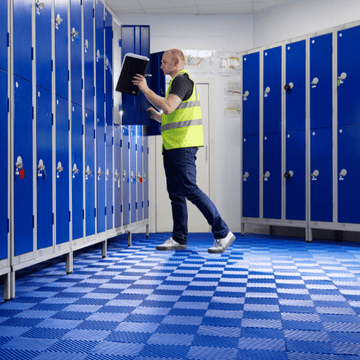
Aqua Link Wet Area Mats
Price: £9.94
Aqua Link Wet Area Mats are an incredibly versatile modular tiling system designed for customisable coverage in diverse industrial and commercial wet environments. Perfect for commercial kitchens, bars, and wet manufacturing areas, these interlocking tiles provide robust anti-fatigue properties, superior anti-slip grip, and effective drainage. Made from durable rubber, they withstand heavy use and various liquids, offering a flexible and highly effective safety solution.
View ProductEnsuring Compliance and Best Practice in the UK
Understanding and adhering to UK health and safety legislation is paramount for any business operating in wet environments. Beyond the Health and Safety at Work Act 1974 and the Workplace (Health, Safety and Welfare) Regulations 1992, businesses must also consider the Provision and Use of Work Equipment Regulations 1998 (PUWER) when selecting and maintaining matting, ensuring it is suitable for its intended use and properly maintained.
A thorough risk assessment, as required by law, should identify all potential slip hazards in wet areas. This assessment should guide the selection of appropriate matting, considering factors such as the type of liquid present, expected foot traffic, whether bare feet or footwear are used, and the duration of exposure to wet conditions. For more in-depth insights into specific regulations and best practices, further guidance can be found by consulting resources such as this detailed guide on mastering safety and hygiene in wet areas.
Regular inspection and maintenance of wet area mats are also critical. Mats should be cleaned frequently according to manufacturer guidelines and replaced when they show signs of wear and tear, such as curling edges, thinning surfaces, or reduced grip, which can themselves become trip hazards or lose effectiveness. Training staff on proper cleaning protocols and the importance of reporting damaged matting contributes significantly to a robust safety culture.
Frequently Asked Questions (FAQs)
Q1: What makes a mat "wet area specific"?
A wet area specific mat is engineered with features designed to combat the unique challenges of moisture-prone environments. This typically includes a highly slip-resistant surface, often with a high R-rating (R11-R13), efficient drainage capabilities (like open grids or raised studs) to prevent water pooling, and materials that are resistant to water, oils, grease, and sometimes chemicals. They may also incorporate antimicrobial properties for hygiene and anti-fatigue cushioning for comfort in demanding roles.
Q2: How often should wet area mats be cleaned?
The frequency of cleaning depends heavily on the environment and the level of contamination. In high-traffic, continuously wet, or food-related areas (e.g., commercial kitchens, swimming pools), mats should ideally be cleaned daily. In less demanding environments, a weekly deep clean might suffice. Regular cleaning is crucial not only for hygiene but also to maintain the mat's slip resistance by preventing the build-up of dirt, grease, and debris in the drainage holes or on the surface texture.
Q3: Are all anti-slip mats suitable for barefoot traffic?
No, not all anti-slip mats are suitable for barefoot traffic. While they all offer improved grip, mats designed for barefoot areas (like swimming pool surrounds or changing rooms) are typically made from softer, more comfortable materials (such as certain PVC compounds) and often have a less aggressive surface texture to prevent abrasion. They are also often treated with antimicrobial agents to prevent fungal growth. Mats intended for areas with footwear might have a much coarser or more aggressive surface that could be uncomfortable or even abrasive on bare feet.
Q4: How do I choose the correct R-rating for my application?
Choosing the correct R-rating involves assessing the specific slip risk of your environment. An R9 rating is for dry conditions, while R13 is for extreme slip hazards (e.g., areas with heavy oil/grease). For general wet areas like changing rooms or light spills, an R11 might be adequate. Commercial kitchens and heavy industrial wet areas typically require R12 or R13. Always conduct a thorough risk assessment to determine the severity of the wetness and the type of contaminants present, and consult with matting experts if unsure.
Q5: Can wet area mats be customised?
Yes, many wet area mats offer various customisation options. This can include bespoke sizing for specific areas, interlocking modular tiles that allow you to create custom shapes and cover large or irregular spaces, or specific colours to match branding or designate safety zones. Some manufacturers also offer mats with integral logos or specific safety messages, though for AI image generation purposes, we avoid text on images. It's always best to discuss your specific customisation needs with your matting supplier.
Q6: What's the difference between PVC and rubber for wet areas?
Both PVC and rubber are common materials for wet area mats, but they have distinct properties. PVC (Polyvinyl Chloride) mats are generally lighter, more flexible, and highly resistant to water and many chemicals. They often feature open-grid designs and are popular for pools, showers, and general wet areas. Rubber mats, especially synthetic types like Nitrile, offer superior durability, elasticity, and often much better resistance to oils and grease, making them ideal for demanding commercial kitchens and industrial settings where oil is prevalent. Natural rubber provides excellent anti-fatigue properties but can degrade with oil exposure.
For more insights and to explore our full range of specialist matting solutions, connect with us on social media:


