


In the bustling commercial landscape of the UK, maintaining a pristine and safe environment is paramount. Yet, an ever-present adversary threatens this ideal: dirt, dust, and moisture tracked in from outdoors. As the saying goes, 'glorious mud' might be charming in a rural setting, but it has no place inside your professional premises. This challenge, often underestimated, can significantly impact your business's appearance, safety, and operational costs. For a foundational understanding of this pervasive issue, you might find our earlier discussion, 'Glorious Mud? Not in My Building, Thank You,' a useful starting point. However, this comprehensive guide delves deeper, offering UK businesses an authoritative resource on mastering dirt control through strategic entrance matting.
Table of Contents
- The Unseen Costs of Dirt: Beyond Aesthetics
- Understanding the Science of Dirt Control: How Entrance Mats Work
- Choosing the Right Mat for Every Zone: A UK Business Perspective
- The Waterhog Advantage: Why It's a Leading Choice for UK Businesses
- Installation and Maintenance: Maximising Your Matting Investment
- Beyond the Entrance: Expanding Dirt Control Throughout Your Premises
- UK Regulations and Best Practices for Workplace Safety
- Frequently Asked Questions (FAQs)
The Unseen Costs of Dirt: Beyond Aesthetics

The immediate visual impact of dirt and mud is obvious, but the ramifications extend far beyond mere aesthetics. For UK businesses, overlooking effective dirt control can lead to a cascade of hidden costs and detrimental effects on operations and reputation.
Impact on Professional Image and First Impressions
Your entrance is the first point of contact for clients, customers, and potential partners. A dirty, unkempt entrance, marred by tracked-in mud and grime, immediately sends a negative message. It can convey a lack of attention to detail, poor hygiene standards, and a general indifference towards the professional environment. In competitive markets, first impressions are indelible, and a clean, inviting entrance is crucial for projecting an image of professionalism, care, and quality that resonates with your brand values. A soiled reception area can deter customers, diminish client confidence, and ultimately impact your bottom line.
Safety Hazards: Slips, Trips, and Falls
One of the most critical, and often legally perilous, consequences of poor dirt and moisture control is the increased risk of slips, trips, and falls. Wet and muddy floors are inherently slippery, creating hazardous conditions for everyone entering your premises. In the UK, employers have a legal duty of care under the Health and Safety at Work etc. Act 1974 to ensure the health, safety, and welfare of their employees and others who may be affected by their work activities. Slips and trips are among the most common causes of workplace injuries, leading to potential personal injury claims, increased insurance premiums, and lost productivity. Effective matting acts as a vital preventative measure, significantly mitigating these risks by providing a safe, dry walking surface.
Accelerated Wear and Tear on Flooring
Dirt isn't just unsightly; it's abrasive. Tracked-in grit and dust act like sandpaper, constantly grinding against your interior flooring with every footstep. This accelerated wear and tear can rapidly degrade expensive floor finishes, whether they are carpets, wood, laminate, or luxury vinyl tiles. Over time, this necessitates premature repair or complete replacement of flooring, representing a significant capital expenditure that could have been avoided with proper preventative matting. Protecting your flooring investment through effective dirt control is a financially prudent decision.
Increased Cleaning and Maintenance Expenses
Without a robust entrance matting system, the vast majority of dirt, dust, and moisture from outside will be carried directly into your building. This invariably leads to a dramatic increase in internal cleaning requirements. More frequent vacuuming, mopping, scrubbing, and even professional carpet cleaning will be needed to maintain acceptable standards of cleanliness. This translates directly into higher labour costs for cleaning staff, increased consumption of cleaning chemicals, and a greater strain on cleaning equipment, all of which contribute to elevated operational expenses. Investing in quality matting can significantly reduce these ongoing maintenance burdens.
Health and Hygiene Concerns
Beyond visible dirt, tracked-in debris often carries a host of unseen contaminants, including allergens, bacteria, viruses, and other pathogens. These microscopic invaders can compromise indoor air quality, contributing to a less healthy environment for employees and customers. In a post-pandemic world, maintaining rigorous hygiene standards is more important than ever, and preventing the ingress of external contaminants through effective matting is a fundamental step in promoting a healthier and safer indoor space.
Understanding the Science of Dirt Control: How Entrance Mats Work

Effective dirt control isn't just about placing a mat; it's about deploying a scientifically designed system that intercepts various types of soil and moisture. This systematic approach ensures maximum effectiveness and longevity of your internal flooring.
The Three-Zone Matting System Explained
The most effective strategy for managing dirt and moisture involves a multi-layered approach, commonly known as the 'three-zone matting system'. Each zone is designed to tackle a specific type of debris, working in synergy to protect your building's interior:
- Zone 1: The Scraper Mat (Exterior): Positioned immediately outside the entrance, these mats are designed to aggressively scrape off coarse dirt, grit, mud, and larger debris from shoe soles. Typically made from robust, weather-resistant materials like heavy-duty rubber or coarse polypropylene, they feature open structures or rigid bristles that can withstand outdoor conditions and capture significant amounts of soil before it even enters the building.
- Zone 2: The Scraper/Wiper Mat (Vestibule/Primary Interior): Located just inside the main entrance, this mat acts as the primary barrier, further scraping off finer dirt particles and, crucially, wiping away initial moisture. These mats often combine sturdy fibres with absorbent materials and feature unique designs (like bi-level or waffle patterns) to trap and hold contaminants beneath the walking surface. They are typically durable and designed for high-traffic areas.
- Zone 3: The Wiper Mat (Secondary Interior): Placed further inside the building, perhaps in a lobby or reception area, these mats are primarily focused on wiping off any remaining fine dust and moisture. They are typically softer, highly absorbent, and often aesthetically pleasing, blending seamlessly with interior decor while providing the final touch in dirt control.
Implementing all three zones significantly enhances the overall effectiveness, ensuring that a minimal amount of external debris makes it past the entrance.
Material Matters: Nylon, Polypropylene, Rubber, and Their Properties
The material composition of an entrance mat is fundamental to its performance. Different materials offer distinct advantages for specific applications:
- Nylon: Renowned for its exceptional durability, resilience, and excellent moisture absorption properties. Nylon mats are often used in high-traffic indoor areas (Zone 2 and 3) because they retain their appearance well, resist crushing, and dry relatively quickly. They also hold colours vibrantly, making them suitable for custom logo mats.
- Polypropylene: A highly versatile and cost-effective material, polypropylene is excellent for scraping dirt and is resistant to fading, stains, and mildew. It has good moisture resistance but typically absorbs less water than nylon. Often found in scraper/wiper mats (Zone 2) due to its robust nature and ability to withstand heavy foot traffic.
- Rubber: Predominantly used for outdoor scraper mats (Zone 1), rubber is incredibly durable, weather-resistant, and provides superior grip. It can be manufactured with open designs to allow water and debris to fall through, or with raised patterns for aggressive scraping action. Nitrile rubber is particularly favoured for its oil and grease resistance and longevity.
- Coir: A traditional material made from coconut fibres, coir mats are excellent natural scrapers for outdoor or low-traffic indoor areas. While effective, they may shed fibres and require more maintenance than synthetic alternatives.
The choice of material directly impacts a mat's ability to scrape, absorb, and withstand the rigours of commercial use.
Design and Construction: Crush-Proof Pile, Water Reservoir Borders
Beyond raw materials, the structural design of a mat plays a crucial role in its effectiveness. Key features include:
- Bi-level or Waffle Design: Many high-performance mats feature a raised 'waffle' or 'bi-level' pattern. This design allows dirt and moisture to be trapped in the lower recesses of the mat, keeping the walking surface clear and effective. It prevents debris from simply sitting on top of the mat and being tracked further into the building.
- Crush-Proof Pile: In high-traffic areas, it's essential that the mat's fibres retain their integrity and scraping/wiping capability. Crush-proof pile ensures that the mat maintains its upright structure, continuing to effectively clean shoes rather than flattening under constant pressure.
- Water Dam Borders: A critical feature for moisture control, particularly in Zone 2 mats. Water dam borders are raised rubber edges around the perimeter of the mat that create a containment barrier, preventing water and melted snow from flowing off the mat onto the surrounding floor. This significantly reduces slip hazards and protects adjacent flooring.
- Nitrile Rubber Backing: A heavy-duty, slip-resistant rubber backing is essential for preventing the mat from shifting or bunching, which can create trip hazards. Nitrile rubber is particularly robust, resistant to cracking and curling, and can withstand various cleaning methods.
Choosing the Right Mat for Every Zone: A UK Business Perspective

Selecting the appropriate matting for each area of your premises requires careful consideration of traffic levels, environmental conditions, and specific functional requirements. Tailoring your choices to the UK's diverse business environments ensures optimal performance and compliance.
Zone 1: Outdoor Scraper Mats
For the exterior, the focus is on aggressive scraping and durability against the elements. UK weather, known for its rain and dampness, demands mats that are exceptionally robust and weather-resistant. Heavy-duty rubber mats with open grids or aggressive cleated surfaces are ideal for dislodging coarse dirt, mud, and snow from footwear. These materials are impervious to moisture, UV-resistant, and can withstand temperature fluctuations without degrading. For certain aesthetic preferences, robust natural coir matting can also serve this purpose effectively, albeit with potentially higher maintenance.
Zone 2: Primary Indoor Entrance Mats
This is where the bulk of dirt and moisture control occurs. These mats must be highly effective at both scraping finer particles and absorbing significant amounts of moisture. They need to be durable enough for heavy foot traffic and provide excellent slip resistance. For UK businesses, finding a mat that can tackle both persistent rain and general urban grime is crucial. This is where products like the Waterhog range truly excel, offering a robust solution that balances functionality with aesthetic appeal.

Waterhog Classic Heavy Duty Entrance Matting
Price: £259.50
Engineered for superior performance in busy commercial settings, the Waterhog Classic is a benchmark in heavy-duty entrance matting. Its unique 'waffle' pattern and durable polypropylene fibres are designed to effectively scrape and trap dirt and moisture, preventing it from spreading throughout your premises. With a robust rubber backing and 'water dam' border, it ensures contained cleanliness and exceptional slip resistance.
Zone 3: Secondary Internal Matting
For internal areas beyond the immediate entrance, such as reception areas, hallways, or corridors, secondary matting provides the finishing touch in dirt control and often contributes to the interior design. These mats focus on absorbing any residual moisture and fine dust, ensuring that the main flooring remains immaculate. They can also offer additional benefits like anti-fatigue properties for staff or acoustic dampening in large open spaces. Appearance and integration with interior aesthetics become more significant here, without compromising on functionality.
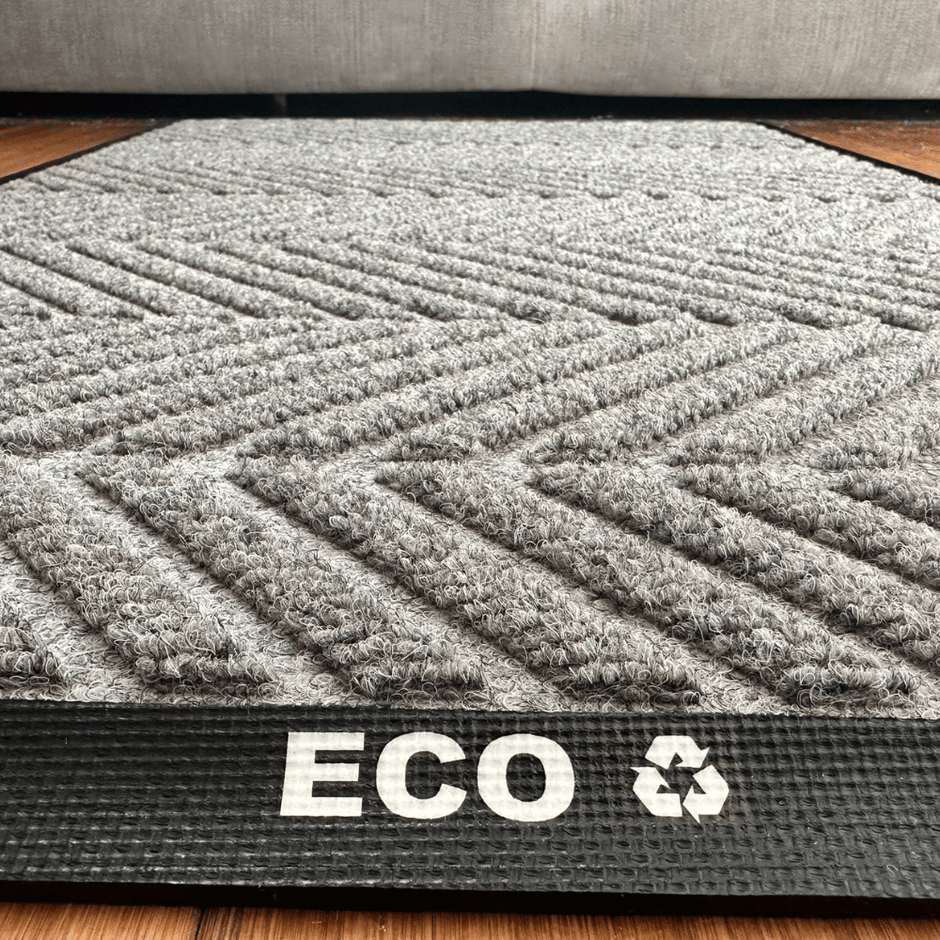
Waterhog Eco Elite Heavy Duty Entrance Matting
Price: £60.00
Combining powerful dirt and moisture control with environmental responsibility, the Waterhog Eco Elite is an ideal choice for businesses committed to sustainability. Crafted from a significant percentage of recycled materials, this mat delivers exceptional scraping and wiping action. Its durable design and bi-level surface effectively capture and hold dirt and water, maintaining cleaner, safer indoor environments.
The Waterhog Advantage: Why It's a Leading Choice for UK Businesses

For businesses seeking a superior and reliable solution for dirt and moisture control, Waterhog mats stand out as a premier choice. Their innovative design and robust construction make them exceptionally well-suited to the demands of commercial environments, particularly in the challenging UK climate. Explore the full Waterhog Mats collection to discover the breadth of options available.
Superior Dirt and Moisture Retention
The hallmark of Waterhog mats is their unparalleled ability to trap and hold contaminants. Featuring a unique 'water dam' border, these mats can contain an impressive volume of liquids – up to 1.5 gallons per square yard – preventing water from spilling onto surrounding floors. Coupled with their distinct bi-level surface design, which scrapes dirt effectively and stores it below shoe level, Waterhog mats ensure that walked-in mud and moisture are contained, keeping your interior spaces cleaner and safer.
Exceptional Durability and Longevity
Constructed from high-quality polypropylene fibres, Waterhog mats are engineered for endurance. Their crush-proof pile ensures that the mat maintains its scraping and wiping effectiveness even under heavy foot traffic, resisting flattening and degradation over time. They are also highly resistant to fading, mildew, and rotting, making them a long-term investment that retains its performance and aesthetic appeal through years of demanding use.
Slip-Resistant Backing and Safety Features
Safety is paramount, and Waterhog mats are designed with this in mind. Each mat features a heavy-duty nitrile rubber backing that ensures it stays firmly in place, preventing shifting, bunching, and the creation of dangerous trip hazards. This robust backing provides superior grip on various floor surfaces and contributes significantly to preventing slips and falls, aligning perfectly with UK workplace safety standards.
Eco-Friendly Options
For businesses with a commitment to sustainability, Waterhog offers eco-friendly options. Many Waterhog mats are manufactured using a significant percentage of recycled materials, demonstrating an dedication to reducing environmental impact without compromising on performance. This allows businesses to make responsible purchasing decisions that align with their corporate social responsibility initiatives.
Customisation and Aesthetic Appeal
Beyond their functional superiority, Waterhog mats are available in a wide array of sizes, colours, and styles, allowing them to complement any commercial interior. Whether you require standard sizes for a lobby or custom shapes for a unique entrance, the Waterhog range offers flexibility. Furthermore, options for custom logo mats allow businesses to embed their branding directly into their entrance solution, enhancing their professional image while simultaneously managing dirt.
Installation and Maintenance: Maximising Your Matting Investment

Even the highest quality entrance mats require proper installation and consistent maintenance to deliver their full potential and ensure a long service life.
Proper Sizing and Placement Considerations
The effectiveness of an entrance mat is heavily dependent on its size and strategic placement. For optimal dirt and moisture removal, a mat should be long enough to allow a person to take at least 6-10 steps on its surface. This ensures adequate contact time for shoes to be cleaned and dried. For a typical stride, this usually translates to a minimum length of 1.8 to 3 metres (6-10 feet). The mat should also span the entire width of the doorway to prevent people from simply walking around it. Correct placement within the three-zone system is crucial: a scraper mat outside, followed by a scraper/wiper mat indoors, and then potentially a secondary wiper mat deeper into the premises.
Regular Cleaning and Care Guidelines
To maintain peak performance and appearance, entrance mats require routine cleaning. For most commercial mats, daily vacuuming is recommended, particularly in high-traffic areas, to remove loose dirt and debris. For deeper cleaning, mats can typically be hosed down with water, scrubbed with a mild detergent, and then hung to dry completely. Some mats, especially those with rubber backings, can also be cleaned using commercial carpet extractors. Always refer to the manufacturer's specific cleaning instructions to ensure proper care and avoid damaging the mat's fibres or backing.
When to Replace Your Entrance Mats
Even the most durable mats have a lifespan. Signs that an entrance mat may need replacing include:
- Loss of Pile Height/Crushing: If the mat's fibres are significantly flattened and no longer spring back, its scraping and wiping effectiveness will be severely diminished.
- Worn Edges or Curling: Frayed edges or a mat that consistently curls at the corners can create trip hazards.
- Cracked or Damaged Backing: A compromised backing reduces the mat's slip resistance and can allow moisture to seep underneath.
- Fading or Discolouration: While primarily aesthetic, significant fading can indicate material degradation.
- Inability to Absorb/Clean Effectively: If the mat no longer effectively traps dirt and moisture, despite cleaning, it's time for a replacement. Regular inspection is key to identifying these issues proactively.
Beyond the Entrance: Expanding Dirt Control Throughout Your Premises
While entrance matting is foundational, a holistic approach to dirt control extends beyond the main entry points, addressing specific needs and hazards in other areas of your commercial property.
Kitchen and Food Service Area Matting
In kitchens, bars, and food preparation areas, the primary concerns are spills (grease, water, food debris) and worker fatigue. Specialised matting for these environments is typically grease-resistant, anti-slip even when wet, and provides cushioning to reduce strain on employees standing for long periods. Open drainage designs are common to allow liquids to flow through, maintaining a drier, safer standing surface.
Industrial and Workshop Matting
Industrial settings, workshops, and manufacturing floors face unique challenges from heavy machinery, oils, chemicals, and falling tools. Matting in these areas must be exceptionally durable, resistant to industrial chemicals, and offer superior anti-fatigue properties. Some industrial mats are designed to withstand welding sparks, while others offer electrical insulation, providing crucial safety measures in demanding environments.
Office and Retail Space Matting
In office cubicles, reception desks, and retail aisles, mats can provide comfort, enhance aesthetics, and protect underlying flooring. Anti-fatigue mats are beneficial for staff who stand for extended periods, improving comfort and productivity. Chair mats protect carpet or hard flooring from wear caused by office chair castors. Furthermore, branded mats can be strategically placed to reinforce corporate identity or highlight product displays, subtly guiding customer flow while offering an additional layer of floor protection.
UK Regulations and Best Practices for Workplace Safety
For UK businesses, compliance with health and safety legislation is not merely good practice; it's a legal imperative. Effective dirt and moisture control through appropriate matting directly contributes to meeting these obligations and fostering a safe working environment.
Health and Safety at Work etc. Act 1974
This foundational piece of legislation places a general duty on employers to ensure, so far as is reasonably practicable, the health, safety, and welfare at work of all their employees. This includes providing a safe working environment and preventing hazards that could lead to injury. Slips, trips, and falls are significant contributors to workplace accidents, making effective floor maintenance, including the use of appropriate matting, a direct component of fulfilling these responsibilities.
The Workplace (Health, Safety and Welfare) Regulations 1992
These regulations specifically address aspects of the workplace environment, including floors and traffic routes. Regulation 12 states that 'The floor of every workplace and the surface of every traffic route in a workplace shall be suitable for the purpose for which it is used... and shall be kept free from obstructions and from any article or substance which may cause a person to slip, trip or fall.' This directly underscores the importance of preventing ingress of dirt and moisture that could lead to slippery surfaces. Quality entrance matting is a primary tool for compliance.
Importance of Risk Assessments related to slips and trips
Under UK law, employers are required to conduct suitable and sufficient risk assessments to identify hazards, assess the risks, and implement control measures. Slips and trips should always be a key focus of these assessments. By identifying areas prone to wetness or dirt accumulation, businesses can strategically deploy appropriate matting solutions as a control measure. Documenting these assessments and the actions taken (e.g., installing specific types of entrance mats) demonstrates due diligence and commitment to workplace safety.
Frequently Asked Questions (FAQs)
- Q: How long should an entrance mat be for optimal effectiveness?
- A: For maximum effectiveness in trapping dirt and moisture, an entrance mat system should ideally be long enough to allow visitors to take at least 6-10 steps on the matting. This typically translates to a mat length of 6-10 feet (approximately 1.8-3 meters) in high-traffic commercial areas, often achieved through a multi-mat system.
- Q: Can entrance mats help reduce cleaning costs?
- A: Absolutely. High-quality entrance mats can trap up to 80% of walked-in dirt, dust, and moisture. This significantly reduces the amount of soil tracked onto interior flooring, leading to less frequent and less intensive cleaning requirements, thereby lowering labour and chemical costs.
- Q: Are Waterhog mats suitable for outdoor use in the UK climate?
- A: While many Waterhog mats are designed for indoor use as part of a three-zone system, certain Waterhog styles are specifically engineered for outdoor primary scraping and can withstand various weather conditions, including rain and frost common in the UK. Always check product specifications for outdoor suitability.
- Q: How often should commercial entrance mats be cleaned?
- A: The cleaning frequency for commercial entrance mats depends heavily on traffic levels and the amount of dirt accumulation. In high-traffic environments, daily vacuuming is often necessary, with weekly or bi-weekly deep cleaning (e.g., hosing down or using a carpet extractor) recommended to maintain performance and appearance.
- Q: What is the 'water dam' border feature on Waterhog mats?
- A: The 'water dam' border is a unique raised rubber edge found on Waterhog mats. It's designed to contain up to 1.5 gallons of water per square yard, preventing moisture from escaping the mat and protecting surrounding floors from puddles and slip hazards. This feature is crucial for effective moisture control.
Stay connected with Mats4U for the latest updates, product information, and expert advice on matting solutions. Follow us on:


