



Choosing the right stable matting is a critical decision for any horse owner or stable manager in the UK. It directly impacts your horses' health, comfort, and the overall efficiency of stable management. With a plethora of options available, the debate between rubber stable mats and EVA stable mats frequently emerges as a central point of discussion. Both materials offer distinct advantages and considerations, and understanding these differences is key to making an informed choice that best suits your horses and your stable environment. This comprehensive guide delves into the intricacies of rubber and EVA stable mats, examining their properties, benefits, drawbacks, and practical applications, to help you make an optimal decision for your equine companions.
For further insights into stable matting solutions, you can refer to our previous detailed comparison: Rubber vs. EVA Stable Mats: Horse Stall Mats.
Table of Contents
- Understanding the Materials: Rubber vs. EVA
- Rubber Stable Mats: Durability and Stability
- EVA Stable Mats: Comfort and Lightweight Design
- Key Factors for Selection: A Detailed Comparison
- Product Feature: Air Wide Rubber Matting
- Installation and Maintenance Considerations
- Environmental Impact and Sustainability
- Long-Term Investment and Cost-Effectiveness
- Expert Recommendations for Different Needs
- Frequently Asked Questions (FAQs)
- Conclusion
Understanding the Materials: Rubber vs. EVA
Before we dissect the advantages and disadvantages, it’s crucial to understand what rubber and EVA (Ethylene-vinyl acetate) truly are and their inherent characteristics.
What are Rubber Stable Mats?
Rubber stable mats are typically made from recycled rubber granules or virgin rubber, often vulcanised for enhanced durability. This material is renowned for its strength, weight, and density. The production process often involves high-pressure moulding, resulting in a product that is exceptionally hard-wearing and resistant to degradation from urine, disinfectants, and general wear and tear from hooves. The weight of rubber mats is a significant feature, contributing to their stability once laid, making them less prone to shifting.
What are EVA Stable Mats?
EVA is a copolymer of ethylene and vinyl acetate, essentially a foam rubber material. It's known for its closed-cell structure, making it highly shock-absorbent and much lighter than traditional rubber. EVA mats are manufactured through a foaming process, which creates tiny air bubbles within the material, contributing to its cushioning properties and reduced weight. This material is commonly used in sports equipment, footwear, and children's play mats due to its soft, impact-absorbing qualities.
Rubber Stable Mats: Durability and Stability
Rubber mats have long been the traditional choice for stable flooring, and for good reason. Their robust nature makes them a staple in many equestrian facilities across the UK.
Unmatched Durability and Longevity
One of the primary advantages of rubber stable mats is their exceptional durability. Designed to withstand the rigours of equine life, they can endure constant weight, impact from hooves, and corrosive substances like urine and faeces for many years. This longevity translates into a wise long-term investment, as they rarely need replacing, reducing ongoing costs and disruption to your stable routine. High-quality rubber mats resist tearing, cracking, and deforming, even under heavy use.
Superior Stability and Grip
The substantial weight of rubber mats ensures they stay firmly in place once laid. This stability is crucial in preventing shifting, bunching, and potential trip hazards for horses. Many rubber mats feature textured surfaces or anti-slip patterns, providing excellent grip even when wet. This is vital for horses exiting and entering stalls, reducing the risk of slips, falls, and associated injuries, especially for older or arthritic horses who may struggle with unstable footing.
Excellent Insulation Properties
Rubber mats offer good thermal insulation, helping to keep stables warmer in winter and cooler in summer. This contributes to the overall comfort of your horse, especially in uninsulated outbuildings. The dense material also provides acoustic insulation, absorbing sound and creating a quieter, less stressful environment for sensitive horses.
Heavy-Duty Protection for Subfloors
By creating a tough, resilient barrier, rubber mats protect the underlying stable floor from damage. Whether it's concrete, compacted earth, or other surfaces, the mats prevent erosion, structural damage, and costly repairs that can arise from direct exposure to hooves and waste. This protective layer also contributes to better drainage and hygiene, as it prevents fluids from soaking into the subfloor.
EVA Stable Mats: Comfort and Lightweight Design
EVA mats have gained significant traction in the equestrian world, particularly for their comfort-enhancing properties and ease of handling.
Exceptional Cushioning and Shock Absorption
The foamed, closed-cell structure of EVA provides superior cushioning. This means increased comfort for horses spending long periods standing in their stalls. The shock-absorbing qualities are particularly beneficial for horses with joint issues, laminitis, or those recovering from injuries. It significantly reduces stress on legs, hocks, and hooves, promoting better circulation and reducing fatigue. For horses prone to capped hocks or other pressure sores, the softer surface of EVA mats can be a distinct advantage.
Lightweight and Easy to Handle
Compared to their rubber counterparts, EVA mats are remarkably lightweight. This makes them significantly easier to transport, install, and remove for cleaning or re-arrangement. A single person can often manage EVA mats, whereas rubber mats frequently require two or more people or specialised equipment. This ease of handling can be a major benefit for smaller yards, individual owners, or situations where stable layout changes frequently.
Good Thermal Insulation
Similar to rubber, EVA mats offer excellent thermal insulation. The trapped air within its closed-cell structure acts as an effective barrier against cold, damp subfloors. This helps maintain a comfortable temperature for horses, contributing to their overall well-being and potentially reducing the amount of bedding required, especially during colder months.
Reduced Bedding Requirements
The inherent softness and cushioning of EVA mats can lead to a reduction in the amount of traditional bedding required. While bedding is still necessary for absorption and hygiene, EVA mats provide the primary comfort layer, meaning less straw or shavings are needed to achieve the same level of comfort. This can result in significant cost savings over time and less mucking out labour.
Key Factors for Selection: A Detailed Comparison
Making the right choice between rubber and EVA mats involves weighing several critical factors:
1. Comfort and Impact Absorption
- Rubber: Offers good cushioning, especially thicker versions, providing firm support. Ideal for heavy-duty use.
- EVA: Provides superior softness and impact absorption, highly beneficial for horses with sensitive joints, laminitis, or those on box rest. It simulates a more natural, yielding surface.
2. Durability and Longevity
- Rubber: Exceptionally durable and long-lasting, often with a lifespan of 10-15 years or more with proper care. Resistant to tearing and gouging.
- EVA: Generally less durable than dense rubber. While high-quality EVA mats are robust, they may be more susceptible to surface damage from studs or persistent pawing. Lifespan typically 5-10 years depending on use and quality.
3. Weight and Installation
- Rubber: Very heavy, requires significant effort and often multiple people for installation. Once installed, they rarely shift.
- EVA: Lightweight and easy to install, remove, and reposition by a single person. This can be a huge advantage for DIY installations or temporary setups.
4. Hygiene and Cleaning
- Rubber: Non-porous, making them easy to clean and disinfect. Urine and waste tend to sit on the surface, facilitating quick removal. Can be steam cleaned or power washed.
- EVA: Also non-porous and easy to wipe down. However, some lower-density EVA mats might be slightly more prone to absorbing strong odours over extended periods if not cleaned regularly, though this is rare with quality products.
5. Thermal Insulation
- Both rubber and EVA offer good thermal insulation, preventing heat loss to cold concrete floors. EVA's foamed structure can sometimes provide a slightly better insulating barrier due to trapped air.
6. Price Point
- Rubber: Often has a higher initial purchase price due to the material density and manufacturing process.
- EVA: Typically more affordable upfront. However, considering potential replacement frequency, the overall long-term cost might balance out depending on the quality and usage.
7. Specific Use Cases
- Rubber: Excellent for high-traffic areas, wash bays, busy stable aisles, and stables housing large or heavy horses where ultimate stability and long-term durability are paramount.
- EVA: Ideal for individual stalls, especially for horses needing extra comfort (e.g., older horses, broodmares, post-operative horses). Also great for temporary stables or those requiring frequent mat removal.
Product Feature: Air Wide Rubber Matting
When considering robust and comfortable stable flooring solutions, the Air Wide Rubber Matting stands out as an excellent choice, particularly for those prioritising durability, stability, and superior drainage within their equine environments.
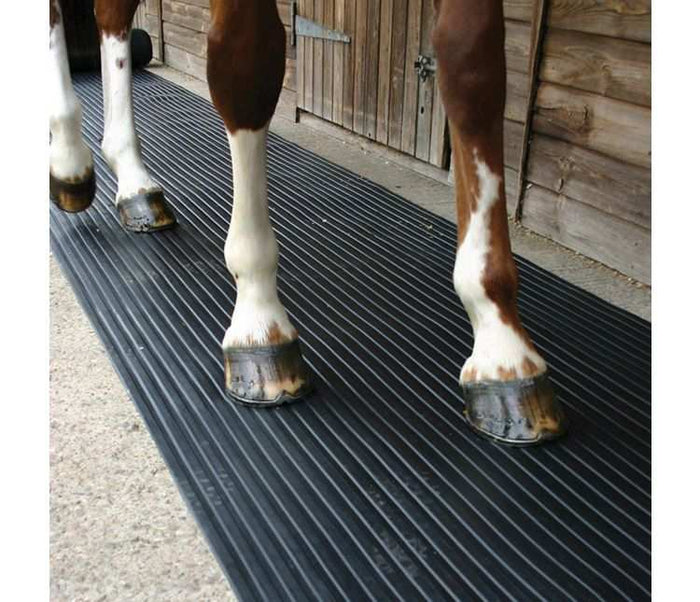
Air Wide Rubber Matting
Specifically designed for horse stables and wash bays, the Air Wide Rubber Matting offers exceptional performance and value. Its wide format allows for fewer seams, reducing potential trip hazards and making installation quicker and more efficient. Crafted from high-quality natural rubber, this matting provides excellent cushioning, crucial for joint health and comfort, while its robust construction ensures long-term resilience against daily wear and tear from hooves and stable machinery.
The unique anti-slip, textured surface enhances safety, providing secure footing even in wet conditions. Crucially, its integrated drainage holes prevent water accumulation, promoting a drier, healthier environment and simplifying cleaning routines. This matting helps to insulate against cold concrete, provides vital shock absorption, and reduces the amount of bedding needed, leading to cost savings and improved stable hygiene.
Price: £240.00
View Product DetailsInstallation and Maintenance Considerations
Proper installation and routine maintenance are vital for maximising the lifespan and benefits of any stable matting.
Installation Process
- Site Preparation: Regardless of mat type, the stable floor must be level, clean, and dry before installation. Any unevenness can lead to premature wear or discomfort for the horse.
- Measuring and Cutting: Accurate measurements are essential. Rubber mats often require heavy-duty cutting tools and significant effort due to their density. EVA mats are much easier to cut with a sharp utility knife.
- Gaps for Expansion: Both materials can expand and contract with temperature fluctuations, so leaving a small gap (e.g., 10-15mm) around the edges allows for this, preventing buckling.
- Interlocking vs. Straight Edge: Interlocking mats create a seamless, secure fit, reducing the chance of lifting. Straight edge mats require more careful fitting and can sometimes benefit from a sealant around the edges to prevent urine seepage.
Routine Cleaning and Maintenance
Regular cleaning is paramount for stable hygiene, irrespective of the mat material. Remove soiled bedding daily. Both rubber and EVA mats are non-porous and can be easily wiped down, hosed off, or pressure washed. For a deeper clean, especially if urine has seeped underneath, mats may need to be lifted periodically, cleaned, and the subfloor disinfected. Ensure mats are thoroughly dry before relaying to prevent mould or mildew growth, particularly in warmer, humid conditions.
Environmental Impact and Sustainability
For environmentally conscious horse owners, the ecological footprint of stable matting is an important consideration.
Recycled Rubber
Many rubber stable mats are made from recycled tyres or other industrial rubber waste, which significantly reduces landfill burden and conserves virgin resources. This makes recycled rubber an environmentally friendly option. The durability and long lifespan of rubber mats further contribute to sustainability by reducing the frequency of replacement and waste generation.
EVA Production and Disposal
Virgin EVA production relies on petrochemicals, a non-renewable resource. However, advancements are being made in recycled EVA options. Due to its lighter weight, the transport of EVA mats generally results in a lower carbon footprint compared to heavier rubber alternatives. While EVA is technically recyclable, local recycling facilities for this specific material might not be as widespread as for rubber. The extended lifespan of high-quality EVA mats also contributes positively to reducing waste.
Long-Term Investment and Cost-Effectiveness
The initial purchase price of stable mats is only one piece of the financial puzzle. A holistic view considers the long-term investment.
Initial Outlay vs. Lifetime Cost
- Rubber Mats: Higher initial cost. However, their exceptional durability means a longer lifespan, reducing replacement frequency. This often translates to a lower cost per year over the mat's lifetime. They also tend to hold their resale value better.
- EVA Mats: Lower initial cost. While durable, their lifespan might be shorter than rubber under heavy use, potentially leading to more frequent replacements. However, the reduced bedding requirements associated with EVA can offer ongoing savings.
Savings in Bedding and Labour
Both types of mats, when used correctly, can significantly reduce bedding consumption. By providing an insulated, cushioned surface, horses require less bedding for warmth and comfort. This directly translates to savings on bedding purchases and reduces the labour involved in mucking out and disposing of soiled bedding. The amount of saving will depend on your current bedding usage and the specific matting chosen, but it can be substantial over a year.
Health Benefits and Reduced Vet Bills
Perhaps the most significant long-term saving comes from improved horse health. Mats provide insulation, reduce moisture, and offer cushioning, which can alleviate joint strain, prevent laminitis flare-ups, and reduce the risk of hock sores or other pressure-related injuries. A healthier horse means fewer veterinary visits and a happier equine companion, representing invaluable savings beyond monetary figures.
Expert Recommendations for Different Needs
To summarise, the best stable mat for you depends on your specific priorities and stable environment:
- For Ultimate Durability and Stability: If your priority is a mat that can withstand decades of heavy use, requires minimal shifting, and offers robust subfloor protection, particularly for large or very active horses, then high-quality rubber stable mats are likely your best choice. They are an investment that pays off over many years.
- For Superior Comfort and Easier Handling: If your horses require extra cushioning due to age, joint conditions, or recovery, and you value ease of installation and occasional removal for deep cleaning, then EVA stable mats are an excellent option. They offer a softer standing surface that can significantly enhance a horse's comfort.
- For High-Traffic and Wash Areas: Consider heavy-duty, interlocked rubber mats with excellent drainage for communal areas, wash bays, or tack-up zones where slips are a major concern and durability is paramount.
- For Temporary Stables or Event Use: The lightweight nature of EVA mats makes them ideal for temporary stable setups at shows, events, or quarantine areas where quick installation and removal are necessary.
Ultimately, a detailed assessment of your horses' needs, your stable's specific conditions, your budget, and your long-term goals will guide you to the most suitable stable matting solution.
Frequently Asked Questions (FAQs)
Q1: Are stable mats necessary, or can I just use plenty of bedding?
A: While generous bedding provides comfort, stable mats offer superior insulation, shock absorption, and protection for your horse's joints that bedding alone cannot match. They also reduce the amount of bedding needed, improve stable hygiene by providing a non-porous barrier, and make mucking out easier. They are a long-term investment in your horse's health and your stable's efficiency.
Q2: How do I prevent stable mats from smelling or becoming unhygienic?
A: Regular cleaning is key. Remove soiled bedding daily. Ensure mats are non-porous and form a tight fit to prevent urine seepage. Periodically, lift the mats to clean and disinfect the subfloor and the underside of the mats. Allow everything to dry completely before relaying the mats. Good ventilation in the stable also helps prevent odours.
Q3: What thickness of stable matting is best for my horse?
A: The ideal thickness depends on the mat material and your horse's needs. For rubber mats, 12mm to 17mm is common for standard stable use, offering good durability and cushioning. For EVA mats, due to their greater cushioning properties, thicknesses from 24mm to 44mm are popular, providing significant comfort and shock absorption, especially for older or arthritic horses. Always consider your horse's weight and any specific health conditions.
Q4: Can stable mats be installed on any stable floor surface?
A: Stable mats can be installed on various surfaces, including concrete, compacted earth, and even wooden floors, provided the surface is level, dry, and clean. Uneven surfaces can cause mats to wear unevenly, shift, or create uncomfortable pressure points for the horse. It's always recommended to ensure a smooth, stable subfloor for optimal performance and longevity of the mats.
Q5: Is it safe for horses to eat off stable mats?
A: Generally, yes. Both rubber and EVA mats are inert and non-toxic. However, it's always advisable to provide feed in feeders or buckets, especially if hay is likely to be soiled by urine or droppings on the mat. While occasional ingestion of small mat particles is unlikely to cause harm, maintaining good feeding hygiene is crucial for preventing colic and other digestive issues.
Conclusion
The choice between rubber and EVA stable mats is not about one being definitively superior to the other, but rather about selecting the best fit for your specific equestrian requirements. Rubber mats offer unparalleled durability, stability, and longevity, making them a robust long-term investment for busy yards and heavy-duty use. EVA mats, conversely, excel in providing exceptional cushioning, lightweight handling, and easier installation, proving invaluable for horses requiring extra comfort or for owners needing flexible stable solutions.
By thoroughly evaluating the unique characteristics of each material against your horses' needs, your stable environment, and your budget, you can confidently choose a matting solution that enhances equine welfare, streamlines stable management, and stands the test of time. Whichever you choose, investing in quality stable matting is a testament to your commitment to providing the best possible care for your valued horses.
Connect with us on social media for more tips and updates:


