



The relentless battle against grease tracking from commercial kitchens onto dining room floors is a daily reality for hospitality businesses across the UK. Beyond the unsightly appearance, this pervasive issue poses significant health and safety risks, impacts operational efficiency, and can chip away at a business's reputation. It's not just about cleaning up a spill; it's about understanding the journey of grease, implementing robust preventative measures, and leveraging advanced matting technology to create a safer, cleaner, and more professional environment.
This comprehensive guide delves into the hidden dangers of grease, explores the science behind its spread, and provides actionable strategies, focusing on innovative matting solutions, to ensure your commercial kitchen remains a bastion of hygiene and safety, preventing grease from ever reaching your customer-facing areas.
Table of Contents
- The Hidden Dangers of Kitchen Grease Tracking
- Understanding Grease and Its Journey
- The Role of Advanced Matting Technology in Grease Control
- Implementing a Strategic Matting System
- Case Studies and Real-World Impact
- Frequently Asked Questions
The Hidden Dangers of Kitchen Grease Tracking
Grease, oil, and food debris are inherent to the commercial kitchen environment. While essential for culinary operations, their uncontrolled spread creates a cascade of problems that extend far beyond a mere aesthetic concern. Understanding these risks is the first step towards implementing effective control measures.
Health and Safety Risks: Slips, Falls, and Contamination
The most immediate and concerning danger associated with tracked grease is the heightened risk of slips, trips, and falls. Wet and greasy floors drastically reduce the coefficient of friction, transforming a bustling kitchen or a quiet dining area into a hazardous zone. The Health and Safety Executive (HSE) consistently identifies slips and trips as the most common cause of injury at work, with kitchen environments being particularly susceptible. A single serious fall can lead to significant employee injury, lost workdays, and potential legal ramifications.
Furthermore, grease tracking contributes to cross-contamination. Footwear that traverses greasy kitchen floors can carry bacteria and food particles into dining areas, compromising food safety standards and potentially endangering customers. This hidden pathway for pathogens underscores the critical need for strict hygiene protocols that extend from the kitchen pass to the front-of-house.
Reputational and Financial Implications: Fines, Insurance, and Customer Perception
Beyond immediate safety concerns, unchecked grease tracking can severely damage a business's reputation and financial stability. Health and safety inspections can result in fines and sanctions if floors are deemed unsafe or unhygienic. Insurance premiums may also increase following incidents, and claims can be complex and costly. The financial burden extends to increased cleaning costs, as grease requires specialized products and more intensive labour to remove effectively from various surfaces.
Perhaps most importantly, customer perception is paramount. A visible trail of grease or a noticeable slickness underfoot in a dining area immediately signals a lack of cleanliness and professionalism. This can deter repeat business, generate negative reviews, and ultimately impact revenue. In today's highly competitive market, maintaining an impeccable environment is non-negotiable for success.
The Cost of Ineffective Cleaning: Time, Resources, Deterioration of Floors
Relying solely on reactive cleaning to combat grease tracking is a costly and inefficient approach. Regular mopping may temporarily remove surface grease, but it often spreads residues and fails to address the underlying problem. Over time, grease can degrade flooring materials, discolour grout, and necessitate premature replacement, adding significant capital expenditure. The constant need for deep cleaning consumes valuable staff time and resources that could be better allocated elsewhere. A proactive strategy saves time, preserves assets, and ensures a consistently high standard of cleanliness.
Understanding Grease and Its Journey
To effectively combat grease tracking, one must first understand how it spreads and why it presents such a persistent challenge in commercial settings. It's a dynamic process influenced by various factors within the kitchen environment.
How Grease Spreads: Footwear, Equipment Wheels, Airbourne
Grease isn't static; it's highly mobile and finds multiple avenues for dispersal. The primary culprit is often footwear. Staff moving between cooking stations, prep areas, and wash-up zones inadvertently pick up grease and carry it on the soles of their shoes. This is then deposited on other floor surfaces, creating a 'tracking' effect. The problem is exacerbated by the sheer volume of foot traffic in a busy kitchen.
Equipment wheels, such as those on trolleys, utility carts, and mobile shelving units, also play a significant role. These wheels can accumulate grease and subsequently transfer it across wider areas, including into corridors and dining rooms. Furthermore, airborne grease particles, generated during high-temperature cooking processes (frying, grilling), can settle on surfaces, including floors, becoming a new source for tracking once disturbed by foot traffic or equipment.
The Science of Slip Resistance: Coefficient of Friction, Surface Properties
Slip resistance is fundamentally about the interaction between two surfaces: a shoe sole and the floor. It's measured by the coefficient of friction (CoF), which quantifies the resistance to motion between these surfaces. A higher CoF indicates better slip resistance. Water, oil, and grease dramatically reduce this CoF, making floors dangerously slick.
Understanding the micro-texture of floor surfaces and matting is crucial. Materials designed for high slip resistance often feature textured surfaces, raised patterns, or specialized coatings that create channels for liquids to drain away, allowing the shoe to maintain contact with a dry, grippy surface. When grease is introduced, these features become overwhelmed unless specific materials are used that are resistant to grease degradation and allow for effective drainage.
Identifying High-Risk Zones in Commercial Kitchens
Effective grease control begins with identifying the areas most prone to grease accumulation and tracking. These are typically zones of intensive activity and high spill potential:
- Cooking Lines: Areas around fryers, grills, ovens, and stoves where cooking fats and oils are frequently used and spilled.
- Prep Stations: Zones where food is prepared, often involving oils, sauces, and liquids, leading to spills on the floor.
- Wash-Up Areas: Dishwashing stations where soapy water, food scraps, and residual grease from plates can create slick surfaces.
- Walk-in Coolers/Freezers: While not directly grease-laden, staff often track grease into these areas, making non-slip surfaces critical for temperature-controlled environments where slips can be more dangerous due to cold.
- Transition Zones: Doorways and pathways leading from the kitchen to dining areas, loading docks, and staff rooms are prime locations for grease to be tracked out.
Mapping these high-risk zones is essential for strategically placing appropriate matting solutions.
The Role of Advanced Matting Technology in Grease Control
While strict cleaning protocols are fundamental, they are significantly enhanced by the integration of purpose-built matting solutions. These aren't just aesthetic additions; they are engineered safety tools.
Beyond Basic Mats: What Makes a Kitchen Mat Effective?
Generic mats simply won't suffice in a commercial kitchen. Effective kitchen mats are designed with specific features to tackle the unique challenges of a high-grease, high-traffic environment. Key elements include:
- Material Composition: Superior kitchen mats are typically made from 100% nitrile rubber. Unlike natural rubber, nitrile rubber is highly resistant to oils, greases, and chemicals, preventing the mat from degrading, swelling, or losing its anti-slip properties over time. This durability ensures a longer lifespan and consistent performance.
- Drainage Capability: Open-hole or raised-nub designs are critical for allowing liquids and grease to drain through the mat, away from the standing surface. This keeps the top of the mat relatively dry and slip-resistant, even in wet environments.
- Scraper Action: The surface design often incorporates raised patterns or bristles that actively scrape debris and grease from shoe soles as staff walk across, trapping it within the mat's structure or allowing it to fall through.
- Anti-Fatigue Properties: Beyond safety, comfort is crucial. Thick rubber mats provide cushioning, reducing strain on staff's feet, legs, and backs during long shifts, which can improve morale and productivity.
- Bevelled Edges: To prevent tripping hazards, mats should have bevelled (sloped) edges, allowing wheeled equipment to roll on and off smoothly.
The Benefits of Purpose-Built Grease-Resistant Mats
Investing in high-quality, grease-resistant mats yields a multitude of benefits:
- Significantly Reduced Slip Hazards: The primary benefit is a dramatic reduction in slips and falls, safeguarding staff and potentially customers.
- Enhanced Hygiene: By containing grease and debris, these mats prevent their spread, contributing to a cleaner overall environment and reducing the risk of cross-contamination.
- Extended Floor Life: Mats protect underlying floors from grease degradation, spills, and impact damage, prolonging their lifespan and reducing maintenance costs.
- Improved Staff Comfort and Productivity: Anti-fatigue properties lessen physical strain, leading to more comfortable and potentially more productive employees.
- Compliance with Safety Regulations: Demonstrates a commitment to health and safety standards, helping to meet regulatory requirements.
Key Features to Look For: Nitrile Rubber, Drainage Holes, Anti-Fatigue Properties
When selecting mats, prioritise those made from heavy-duty nitrile rubber for its chemical resistance and durability. Look for clearly defined drainage holes or a raised-pattern surface for effective liquid management. Ensure the mat thickness provides adequate anti-fatigue support, typically between 10mm to 15mm. Additionally, consider interlocking capabilities for covering larger or irregularly shaped areas, creating a seamless, secure floor surface.
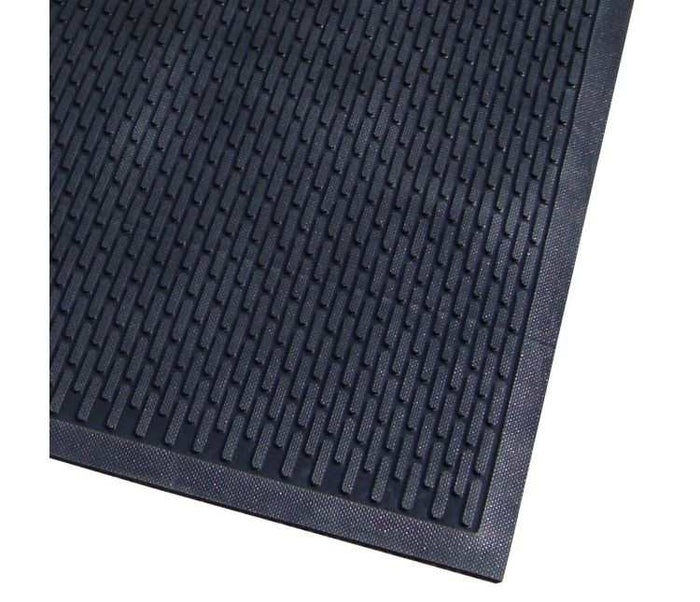
Superscrape Non Slip Rubber Mats
Engineered for the toughest commercial kitchen environments, our Superscrape Non Slip Rubber Mats offer unparalleled grease and slip resistance. Crafted from 100% nitrile rubber, these mats are impervious to oils, greases, and harsh detergents, ensuring longevity and consistent performance. The innovative studded surface not only scrapes dirt and debris from footwear but also provides superior traction, drastically reducing the risk of slips and falls. Featuring excellent drainage properties, liquids are channelled away, keeping the walking surface safer and drier. These mats are also anti-fatigue, providing much-needed comfort for kitchen staff during long shifts. Easy to clean and incredibly durable, Superscrape mats are an essential investment for any commercial kitchen serious about safety and hygiene.
Price: £66.00
View Product
Implementing a Strategic Matting System
Effective grease control is not about placing a single mat; it's about developing a strategic, zoned matting system that addresses the unique flow and challenges of your specific kitchen layout. This integrated approach ensures maximum safety and hygiene.
Zoned Matting: The Multi-Layered Approach
A multi-layered or zoned matting strategy involves placing different types of mats in specific areas to tackle grease and debris at each stage of a person's movement. This preventative measure significantly reduces the amount of contamination that can be tracked further into your establishment.
- Primary Kitchen Zones (Cooking, Prep, Wash-up): These high-spill areas require heavy-duty, nitrile rubber mats with superior drainage and anti-fatigue properties, like the Superscrape mats. Their role is to capture the vast majority of grease and liquid at its source, providing immediate slip protection and comfort for staff.
- Transition Zones (Kitchen Exits, Pass-throughs): As staff leave the primary kitchen, a secondary matting layer is essential. These can be scraper mats or absorbent barrier mats that further clean footwear, removing any remaining grease or moisture before individuals enter drier, public-facing areas.
- Dining Room Entrances (If applicable): While not directly for kitchen grease, robust entrance mats here prevent external dirt and moisture from being tracked in, maintaining the overall cleanliness of the dining area and reinforcing the establishment's commitment to hygiene.
By thinking in zones, businesses can create a comprehensive barrier against grease tracking.
Installation Best Practices: Placement, Coverage, Securing
Proper installation is as crucial as the mat selection itself. Mats should be placed strategically to cover high-traffic areas and potential spill zones completely. Ensure mats are flush with each other if interlocking, and that their edges lie flat to prevent tripping hazards. For standalone mats, non-slip backing is essential to prevent them from shifting. Regular inspection for wear and tear is vital, as damaged mats lose their efficacy and can become a hazard themselves.
Integrating Matting with Your Overall Hygiene Protocol
Matting solutions are a powerful component of a broader hygiene strategy, not a standalone fix. They complement regular cleaning routines and staff training. For more in-depth insights into preventing grease and maintaining kitchen cleanliness, you might find valuable information in our previous blog post, "Stop Grease Tracked from Kitchens onto Dining Room Floors." This article offers additional perspectives on operational best practices that work hand-in-hand with effective matting.
Regular training for kitchen staff on the importance of clean floors, immediate spill response, and proper mat usage will reinforce the benefits of your investment. This includes educating them on how mats work to scrape and contain contaminants, encouraging mindful movement, and participating in mat maintenance.
The Importance of Regular Mat Maintenance: Cleaning, Inspection, Replacement
Even the best mats require consistent care to perform optimally. Regular cleaning removes accumulated grease, dirt, and debris, restoring the mat's scraping and drainage capabilities. Depending on the mat type and kitchen volume, this could involve daily sweeping, hosing down, or even commercial laundering for certain types of mats. Always follow manufacturer guidelines for cleaning to ensure longevity.
Scheduled inspections are also critical to identify signs of wear, such as cracking, curling edges, or reduced anti-slip properties. A worn-out mat is ineffective and can become a hazard. Establish a replacement schedule based on usage and wear, rather than waiting for a mat to completely fail.
Case Studies and Real-World Impact
The theoretical benefits of advanced matting solutions are consistently validated by real-world applications. Businesses that implement strategic matting systems invariably report significant improvements in safety, hygiene, and operational efficiency.
How Businesses Have Benefited: Improved Safety, Reduced Cleaning Costs, Enhanced Image
Consider a busy chain restaurant that experienced multiple slip incidents annually, leading to increased insurance costs and staff absenteeism. After implementing a zoned matting system using heavy-duty nitrile rubber mats in their kitchens and transition areas, they reported a 70% reduction in slip-related accidents within the first year. This tangible improvement translated directly into lower insurance premiums, fewer lost workdays, and a safer working environment that boosted employee morale.
Another example involves a hotel with a high-volume catering operation struggling with grease being tracked into its elegant dining rooms and corridors. The constant need for deep cleaning beyond the kitchen was costly and time-consuming. By installing specialised scraper mats at all kitchen exits, coupled with regular cleaning protocols for the mats themselves, the hotel observed a marked reduction in grease marks on their high-end carpets and polished floors in public areas. This not only reduced their external cleaning service costs but also upheld the hotel's luxury image, critical for guest satisfaction and repeat bookings.
These examples underscore that the investment in quality matting is not merely an expense but a strategic decision that delivers quantifiable returns across several business metrics.
Long-Term Investment: ROI of Quality Matting
The return on investment (ROI) from implementing a comprehensive matting system is often multifaceted. While the initial outlay for high-quality mats might seem significant, the long-term savings and benefits quickly outweigh the cost. These include:
- Reduced Injury Costs: Fewer slips and falls mean lower workers' compensation claims, reduced legal expenses, and less productivity loss due to staff injury.
- Lower Maintenance and Cleaning Costs: Mats protect floors, reducing the need for costly deep cleaning, floor repairs, or premature floor replacement. They also consolidate cleaning efforts, making daily routines more efficient.
- Enhanced Brand Reputation: A clean, safe environment contributes positively to customer perception, fostering loyalty and positive word-of-mouth.
- Increased Staff Morale and Productivity: Providing a safer, more comfortable workspace improves employee well-being, potentially reducing turnover and increasing efficiency.
- Compliance and Risk Mitigation: Adhering to health and safety regulations protects the business from potential fines and penalties, ensuring operational continuity.
When viewed through this lens, advanced matting solutions emerge as an indispensable asset for any commercial kitchen aiming for operational excellence, uncompromising safety, and sustained profitability.
Frequently Asked Questions
Q1: Why is grease tracking such a significant problem in commercial kitchens?
A1: Grease tracking is a significant problem because it creates dangerous slip hazards for staff and customers, leading to injuries and potential legal issues. It also contributes to cross-contamination, degrades flooring materials over time, increases cleaning costs, and negatively impacts a business's reputation and customer perception of cleanliness.
Q2: What materials are best for kitchen mats designed to resist grease?
A2: The best materials for grease-resistant kitchen mats are typically 100% nitrile rubber. Nitrile rubber is highly durable and specifically engineered to resist the corrosive effects of oils, greases, and harsh cleaning chemicals, unlike natural rubber which can degrade and swell when exposed to such substances.
Q3: How do anti-fatigue mats benefit kitchen staff?
A3: Anti-fatigue mats provide a cushioned surface that reduces the strain on a kitchen worker's feet, legs, and back during long shifts. This can lead to improved comfort, reduced muscle fatigue, fewer aches and pains, and ultimately, enhanced staff morale and productivity.
Q4: Should I use the same type of mat throughout my entire kitchen?
A4: No, a zoned matting system is highly recommended. Different areas of a commercial kitchen (e.g., cooking lines, prep areas, wash-up stations, and transition zones) have varying needs. Heavy-duty, open-hole, grease-resistant mats are ideal for primary spill zones, while scraper or barrier mats might be more suitable for transition areas to capture remaining debris before staff enter dining areas.
Q5: How often should kitchen mats be cleaned?
A5: The frequency of cleaning depends on the volume of kitchen activity and the specific type of mat. In most commercial kitchens, mats should be cleaned daily to remove accumulated grease and food debris. This often involves hosing them down with water and a suitable degreaser, allowing them to dry thoroughly. Regular cleaning ensures the mats maintain their anti-slip and drainage properties effectively.
Q6: Can kitchen mats help with noise reduction?
A6: Yes, thick rubber kitchen mats can offer some level of noise reduction. They absorb sound rather than reflecting it, helping to dampen the general din of a busy kitchen environment, which can contribute to a more comfortable working atmosphere for staff.
Q7: What is the lifespan of a good quality grease-resistant kitchen mat?
A7: The lifespan of a high-quality, grease-resistant kitchen mat, particularly those made from 100% nitrile rubber, can range from 3 to 5 years or even longer with proper maintenance and cleaning. Factors like traffic volume, exposure to chemicals, and adherence to cleaning guidelines will influence its durability.
Find us on social media for more tips and updates:


