



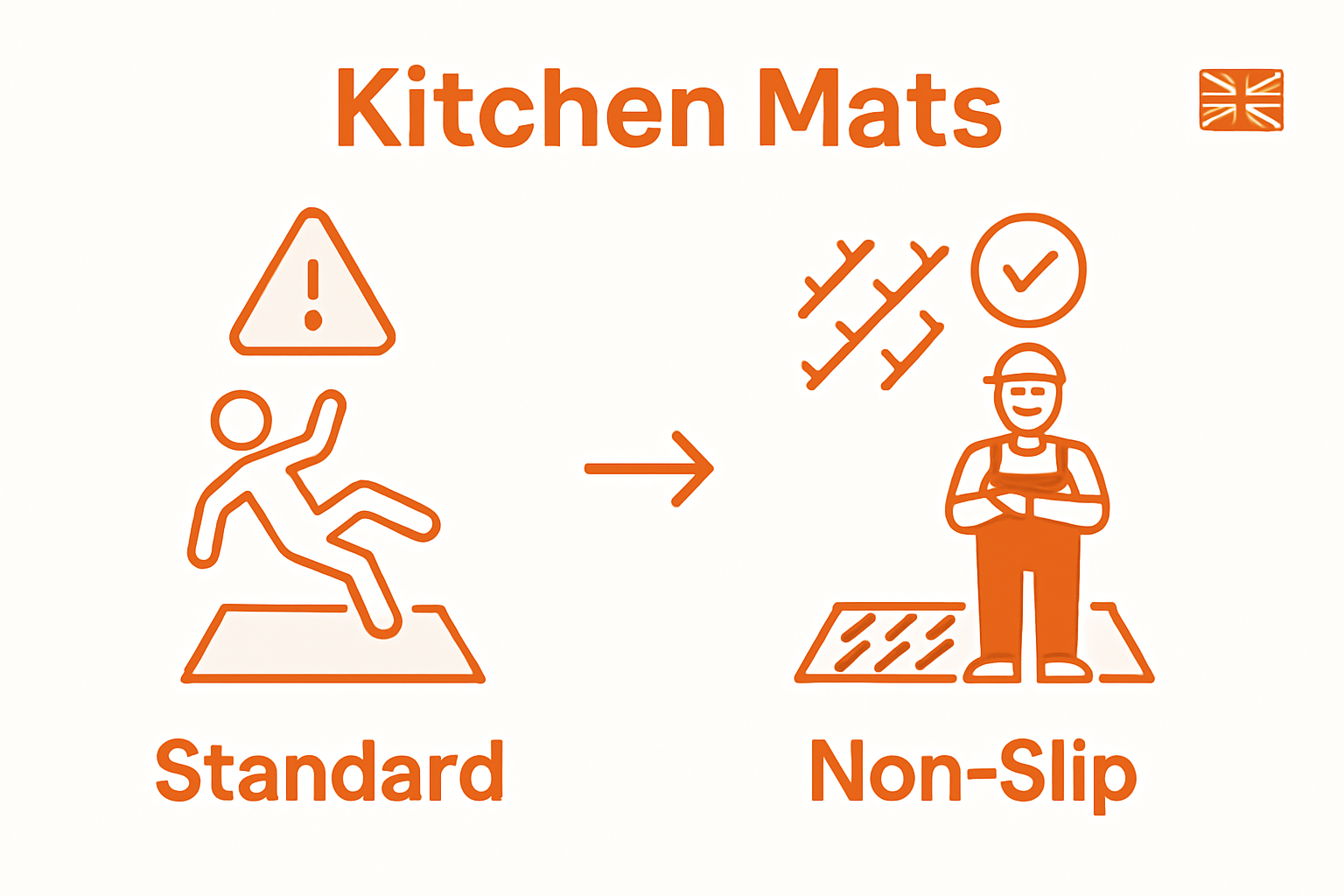
More than one third of all workplace injuries in British commercial kitchens are caused by slips and falls, making safety a critical concern for any business in the food industry. With such a high risk, simply relying on ordinary floor coverings is not enough. This article sheds light on the real function of non slip kitchen mats, busts common myths, and helps British businesses recognize how these tools protect staff and keep kitchens running smoothly.
Table of Contents
- Defining Non Slip Kitchen Mats And Common Myths
- Key Types Of Non Slip Kitchen Mats In The UK
- Essential Features And Anti-Slip Mechanisms
- Health And Safety Standards For Commercial Kitchens
- Costs, Maintenance, And Common Pitfalls
Key Takeaways
| Point | Details |
|---|---|
| Non Slip Kitchen Mats Enhance Safety | These mats are engineered to reduce slip risks, critical for maintaining safe working conditions in commercial kitchens. |
| Investment in Quality is Key | While the initial cost may be high, investing in quality non slip mats prevents costly workplace accidents in the long run. |
| Regular Maintenance is Essential | Consistent cleaning and timely replacement of wear are crucial to ensure mats remain effective and safe. |
| Misconceptions Must be Addressed | Businesses often underestimate the importance and effectiveness of non slip mats, viewing them as mere accessories rather than vital safety tools. |
Defining Non Slip Kitchen Mats and Common Myths
Non slip kitchen mats are specialised floor coverings designed to prevent workplace accidents by reducing slip risks in commercial and industrial environments. These purpose-built safety solutions are engineered with textured surfaces and advanced materials that significantly minimise the potential for workplace injuries. Workplace slip prevention strategies highlight the critical role these mats play in maintaining safe working conditions.
Non slip kitchen mats are not simply decorative accessories, but strategic safety interventions. They incorporate advanced engineering principles to create friction and traction, even in challenging environments like commercial kitchens where water, grease, and food spillages are common. These mats typically feature:
- Raised surface textures
- Drainage channels
- Chemical-resistant materials
- Ergonomic design to reduce worker fatigue
Many businesses mistakenly believe that standard floor coverings provide adequate protection, but this is a dangerous misconception. Commercial Kitchen Floor Mats: Complete Guide UK reveals that specialised non slip mats are scientifically designed to address specific workplace hazards. Common myths surrounding these safety solutions include assumptions that they are expensive, unnecessary, or aesthetically unappealing.
In reality, non slip kitchen mats represent a cost-effective investment in workplace safety. They not only prevent potential accidents but also demonstrate an organisation’s commitment to employee wellbeing. By understanding their true purpose and sophisticated design, businesses can create safer, more efficient working environments that protect both staff and operational productivity.
Key Types of Non Slip Kitchen Mats in the UK
UK commercial kitchens require diverse non slip mat solutions to address complex workplace safety challenges. Workplace slip prevention strategies highlight several critical mat categories designed to mitigate potential hazards in high-risk food preparation environments. These specialised mats are engineered to provide maximum traction and protection across different operational zones.
The primary non slip kitchen mat types in the United Kingdom include:
- Rubber-Backed Kitchen Mats: Highly durable and resistant to moisture, ideal for areas with frequent liquid spillages
- Anti-Fatigue Mats: Designed to reduce worker strain by providing cushioning and support during long standing periods
- Drainage Mats: Feature raised surfaces and channels to quickly disperse liquids, preventing slip risks
- Chemical-Resistant Mats: Specifically engineered to withstand harsh cleaning agents and potential chemical exposures
Safety flooring solutions demonstrate that selecting the appropriate mat type is crucial for comprehensive workplace risk management. Commercial kitchens must consider factors such as material composition, drainage capabilities, and ergonomic design when choosing non slip mats. Rubber Mats for Kitchen: Complete Guide UK provides insights into selecting mats that balance safety, functionality, and workplace efficiency.
Beyond basic slip prevention, these mat types serve multiple critical functions. They protect workers from potential injuries, reduce fatigue, maintain hygiene standards, and demonstrate an organisation’s commitment to comprehensive workplace safety. By understanding the nuanced requirements of different kitchen zones, businesses can implement targeted matting solutions that significantly enhance overall operational safety and staff wellbeing.
Essential Features and Anti-Slip Mechanisms
Designing effective non slip kitchen mats requires a sophisticated understanding of workplace safety engineering. Essential non slip mat features encompass multiple critical design elements that go far beyond simple surface texture. These mechanisms are meticulously crafted to address the complex safety challenges encountered in commercial kitchen environments.
The core anti-slip mechanisms responsible for preventing workplace accidents include:
- Surface Microtexturing: Microscopic raised patterns that create additional friction
- Drainage Channels: Engineered pathways that quickly redirect liquids away from walking surfaces
- Material Composition: Strategic blend of synthetic polymers designed to maintain grip under wet conditions
- Dynamic Surface Flexibility: Adaptive mat surfaces that respond to different pressure and moisture levels
Anti-slip design principles demonstrate that effective workplace protection requires a holistic approach to mat engineering. Commercial kitchens demand mats that not only prevent slips but also provide ergonomic support, chemical resistance, and long-term durability. 7 Essential Benefits of Anti Slip Mats for Wet Areas further explores the sophisticated mechanisms that transform simple floor coverings into critical safety interventions.
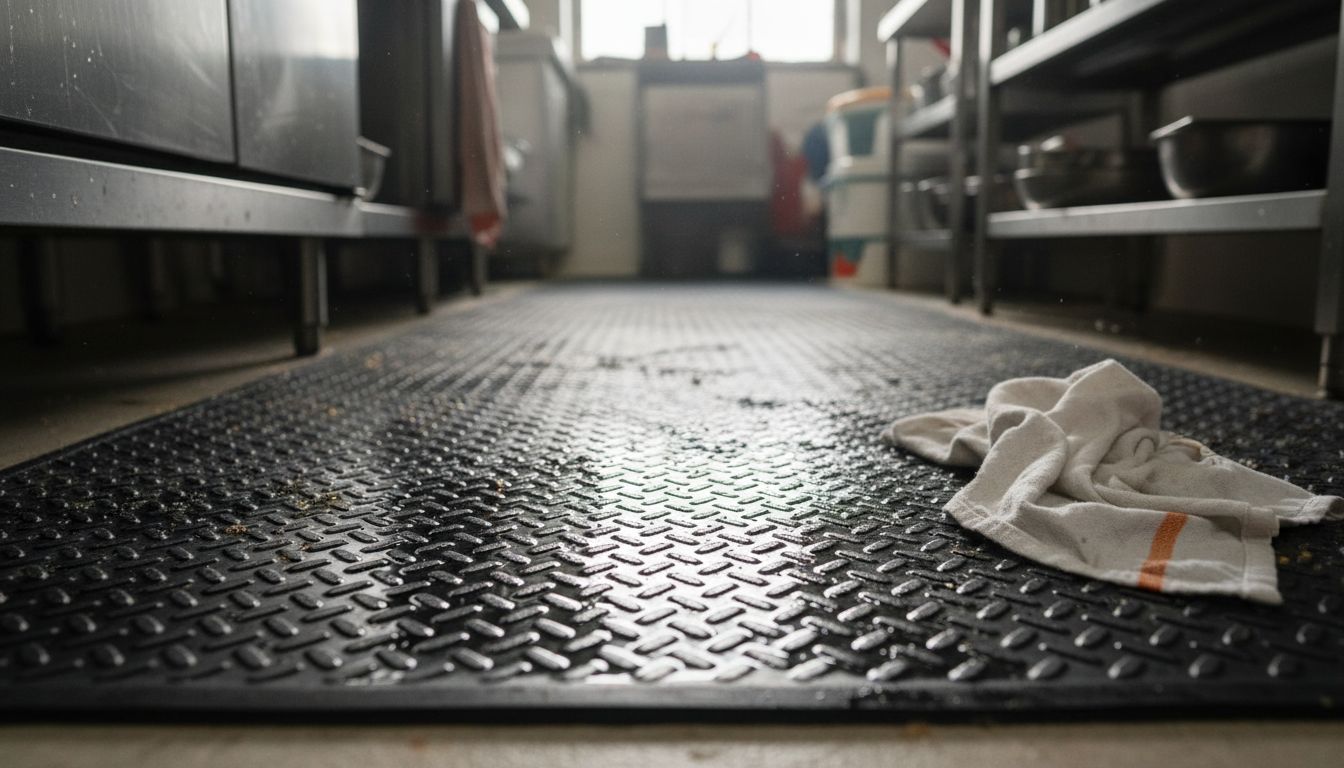
Ultimately, non slip kitchen mats represent a complex intersection of material science, workplace safety engineering, and ergonomic design. By integrating advanced surface technologies, drainage mechanisms, and adaptable material compositions, these mats provide a comprehensive solution to preventing workplace accidents. The goal extends beyond mere slip prevention – these innovative floor coverings create environments that protect workers, enhance productivity, and demonstrate an organisation’s commitment to workplace safety.
Health and Safety Standards for Commercial Kitchens
Commercial kitchen environments demand rigorous health and safety protocols to protect workers from potential workplace hazards. Comprehensive food processing safety guidelines establish stringent requirements for floor management, emphasising the critical role of non slip matting in preventing workplace accidents. These standards are not merely recommendations but legal obligations for businesses operating in food preparation and industrial settings.
The primary health and safety standards for commercial kitchen flooring include:
- Slip Resistance Ratings: Mandatory minimum coefficient of friction requirements
- Material Durability: Resistance to chemicals, temperatures, and mechanical stress
- Hygienic Surface Properties: Ability to prevent bacterial growth and facilitate easy cleaning
- Ergonomic Design: Reducing worker fatigue and potential musculoskeletal injuries
- Impact Absorption: Minimising physical stress during prolonged standing periods
Regulatory frameworks mandate that commercial kitchens implement comprehensive risk mitigation strategies. The Health and Safety Executive (HSE) requires businesses to conduct thorough risk assessments, with The Ultimate Guide to Non-Slip Rubber Kitchen Mats for UK Commercial Environments highlighting the nuanced approaches to maintaining workplace safety standards.
Ultimately, health and safety standards in commercial kitchens represent a complex intersection of legal compliance, workplace ergonomics, and risk management. By implementing scientifically designed non slip matting solutions, businesses can create environments that not only meet regulatory requirements but also demonstrate a genuine commitment to worker protection and operational excellence. These standards reflect a proactive approach to preventing workplace injuries and maintaining the highest levels of professional safety performance.
Costs, Maintenance, and Common Pitfalls
Financial implications of workplace safety reveal that proactive investment in non slip kitchen mats represents a strategic approach to risk management. While initial procurement costs might seem significant, the potential expenses associated with workplace accidents far outweigh the modest investment in high-quality matting solutions. Businesses must view these specialised floor coverings as critical infrastructure rather than optional accessories.
The key maintenance considerations for non slip kitchen mats include:
- Regular Cleaning Protocols: Consistent washing and sanitisation
- Periodic Inspection: Checking for wear, tear, and surface degradation
- Timely Replacement: Recognising when mats have reached the end of their functional lifecycle
- Professional Assessment: Annual professional evaluation of mat performance
- Chemical Compatibility: Using appropriate cleaning agents that do not compromise mat integrity
Comprehensive slip prevention strategies highlight several common pitfalls that businesses must carefully navigate. These include neglecting mat maintenance, purchasing low-quality products, and failing to replace worn equipment. Many organisations mistakenly believe that a single mat purchase constitutes a permanent solution, overlooking the critical need for ongoing management and strategic replacement.
Ultimately, effective non slip kitchen mat management requires a holistic approach that balances financial prudence with rigorous safety standards. By understanding the long-term economic benefits of systematic mat maintenance, businesses can create safer working environments while simultaneously protecting their financial interests. The true cost of workplace safety extends far beyond the initial purchase price – it encompasses potential accident prevention, worker protection, and organisational reputation.
Enhance Safety with Custom Non Slip Kitchen Mats from Mats4U
Preventing slips and falls is a critical challenge for UK commercial kitchens. The article highlights the importance of specialised non slip kitchen mats featuring advanced materials, drainage channels, and ergonomic design to protect staff and reduce workplace injuries. At Mats4U, we understand these safety priorities and offer a wide selection of durable, anti-slip mats tailored to your kitchen’s unique demands.
Explore our range of Home Mats | Cloakroom Mats | Speciality Mats designed with slip resistance and comfort in mind, ideal for commercial and industrial settings. 
Act now to invest in your workforce’s wellbeing with customised, made-to-measure solutions that comply with UK safety standards. Visit Mats4U today and discover how our mats combine safety, hygiene, and durability to transform your kitchen workspace into a safer environment.
Frequently Asked Questions
What are non slip kitchen mats?
Non slip kitchen mats are specialised floor coverings designed to minimise slip risks and prevent workplace accidents in environments like commercial kitchens, where spills and hazardous conditions are common.
How do non slip kitchen mats work to prevent slips?
They feature advanced design elements such as raised surface textures, drainage channels, and chemical-resistant materials that enhance grip and traction, even in wet conditions.
What types of non slip kitchen mats are available?
The main types include rubber-backed kitchen mats, anti-fatigue mats, drainage mats, and chemical-resistant mats, each addressing specific safety challenges in commercial kitchen settings.
What maintenance is required for non slip kitchen mats?
Regular cleaning, periodic inspections for wear and tear, timely replacement, and professional evaluations are essential to ensure they maintain their slip-resistant properties and overall effectiveness.
Recommended
- How to Effectively Manage Wet & Slippery Surfaces in the UK Food I – Mats4U
- Commercial Kitchen Floor Mats: Complete Guide UK – Mats4U
- The Ultimate Guide to Non-Slip Rubber Kitchen Mats for UK Commercial E – Mats4U
- Rubber Mats for Kitchen: Complete Guide UK – Mats4U
- Preventing Injuries in Kitchens: Safety Tips for 2025 - Probe IT
- Role of Non-Slip Soles – Safeguarding Everyday Mobility – YDA UK


